How to live off-grid in Spain: A guide
By Molly Grace • Updated: 15 Oct 2025 • 15:29 • 4 minutes read
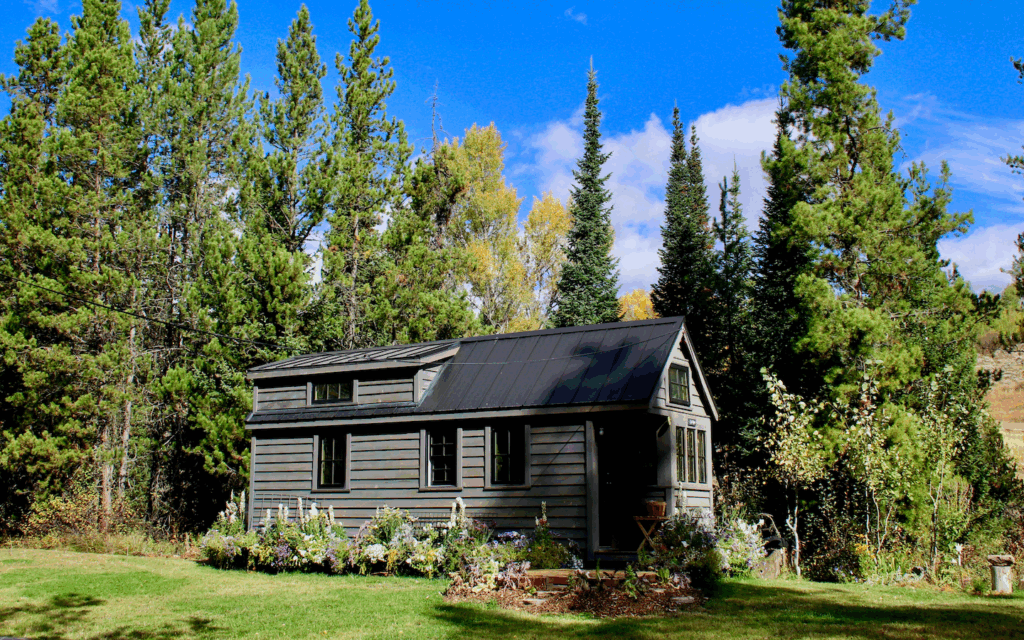
Installing a permanent house without the correct permits can result in fines. Photo credit: Ariel Celeste Photography/Shutterstock
In Spain, land is classified as urbanizable (buildable) or rústico/rural (non-urbanizable). Rural land is primarily intended for agriculture, forestry, or conservation and comes with strict restrictions on permanent construction. Permanent houses are generally not allowed on rural plots without explicit planning permission, which is rarely granted. Many off-grid residents therefore opt for mobile homes, caravans, or prefabricated structures that are movable and not permanently fixed to the ground.
Installing a permanent house without the correct permits can result in fines, legal action, or even demolition. Temporary structures are often tolerated but are regulated differently depending on the autonomous community and municipality. Andalucia may allow mobile homes, caravans, yurts and tiny homes under certain conditions, while Catalonia or Galicia can be much stricter. Before purchasing rural land, it is essential to check the Plan General de Ordenación Urbana (PGOU) to ensure compliance with local zoning rules.
Energy and Power Solutions
Solar panel legality
Solar energy is widely used for off-grid living in Spain. Installing standalone solar panels on private land is generally legal, especially if the system is not connected to the public grid. Attempting to feed energy back into the grid without authorisation can breach regulations. Most off-grid setups use solar panels combined with battery storage, providing reliable, independent power throughout the year.
Additional sources, like small wind turbines or generators, can complement solar panels in areas with variable sunlight. Generators must adhere to local noise and environmental regulations, and some municipalities restrict their use at night. Combining solar with a generator ensures a consistent power supply.
Water Access and Solutions
Dealing with no mains water
Many rural plots do not have access to mains water. Options for off-grid residents include drilling a well, harvesting rainwater, or arranging water deliveries from certified suppliers. Shallow wells can often be dug without a permit, but deeper wells usually require authorisation and environmental assessments. Rainwater tanks collect water from roofs or catchment areas but may be insufficient in dry months.
Practical considerations
A combination of wells, rainwater collection, and delivered water ensures a reliable year-round supply for drinking, cooking, hygiene, and irrigation. Drilling a well is costly but long-term, while rainwater tanks are cheaper but dependent on rainfall. Planning ahead is critical to avoid shortages during summer or drought periods.
Waste Management and Toilets
Off-grid toilets or composting toilets are legal if they comply with local environmental regulations. Greywater must be disposed of in approved soakaways or filtration systems to prevent contamination. Some municipalities require permits for septic tanks even on private land. Portable chemical toilets, composting units, and greywater filtration systems are common. Waste management must be planned carefully to maintain hygiene and comply with environmental laws. Proper waste handling prevents fines and ensures a sustainable lifestyle.
Connectivity and Communication
Mobile and internet access
Rural Spain generally has adequate mobile coverage, although signal strength can vary by location. Satellite internet or mobile data can provide reliable connectivity for remote work or communication. Land close to roads or towns is usually preferable to ensure access to supplies and emergency services. Many rural roads are unpaved or poorly maintained. A reliable vehicle is often essential. Consider the distance to shops, hospitals, and local services, even if your lifestyle is mostly self-sufficient.
Food and Supplies
Growing and sourcing food
Off-grid residents often grow vegetables, fruits, and herbs. Spain’s climate allows year-round cultivation in many regions. Local markets offer fresh produce, while bulk items can be sourced from nearby towns. Combining self-grown food with local purchases helps maintain independence. Without mains electricity, food storage requires solar-powered refrigeration, cellars, or insulated coolers. Proper planning ensures food availability throughout the year, especially during dry or winter months.
Living the Dream
Luca and Maria’s story
Italian couple Luca and Maria moved to rural Andalucia to live off-grid and be closer to nature. They chose a movable prefabricated home on a 2-hectare plot without mains connections. Solar panels combined with a small generator provide electricity, while a rainwater harvesting system supplies water for daily use. For drinking water, they have regular deliveries from a certified provider.
Their main challenges included adjusting to irregular water supply during dry months, learning to manage greywater efficiently, and navigating local regulations for waste disposal and temporary structures. “It’s not as simple as just moving into the countryside,” says Maria. “You need to plan everything: water, electricity, waste, and even internet connectivity.” Luca adds, “But once you’re set up, living close to nature is incredibly rewarding.”
Planning for Long-Term Success
Sustainability and preparation
Off-grid living is about more than legality, it requires careful planning for energy, water, waste, and food. Prospective residents should consider seasonal water availability, maintenance of solar equipment, and ongoing compliance with municipal rules.
Food production and storage
Growing your own food ensures a degree of independence, but it requires knowledge of local conditions, irrigation planning, and storage solutions, especially for winter months.
Waste management and hygiene
Proper planning and legal compliance for toilets, greywater, and waste storage are critical to avoid fines and maintain health standards.
Adapting to rural life
Living off-grid also demands flexibility. Remote locations mean fewer immediate services, so residents must be self-reliant and prepared for emergencies.
Financial planning and legal compliance
Investing in movable housing, solar panels, water solutions, and legal waste systems requires upfront capital. Long-term sustainability depends on careful budgeting, understanding local rules, and ongoing maintenance.
Key Takeaways for Prospective Residents
- Mobile homes or temporary structures are generally allowed; permanent buildings require planning permission.
- Solar panels and small generators provide independent energy; connecting to the grid requires authorisation.
- Water can be sourced via wells, rainwater tanks, or delivery.
- Composting toilets and greywater systems are necessary for legal waste disposal.
- Mobile and internet connectivity varies by location.
- Growing food and proper storage are essential for self-sufficiency.
- Always check local rules before purchasing rural land.
Living off-grid in Spain is feasible, but it requires careful preparation, legal compliance, and long-term planning. With movable structures, independent energy and water systems, proper waste management, and reliable access to food and supplies, residents like Luca and Maria can enjoy a self-sufficient, peaceful life close to nature.
Follow Euro Weekly News on Google News
Get breaking news from Spain, travel updates, and expat stories directly on your Google News feed.
Follow on Google NewsSign up for personalised news
Subscribe to our Euro Weekly News alerts to get the latest stories into your inbox!
By signing up, you will create a Euro Weekly News account if you don't already have one. Review our Privacy Policy for more information about our privacy practices.

Molly Grace
Molly is a British journalist and author who has lived in Spain for over 25 years. With a background in animal welfare, equestrian science, and veterinary nursing, she brings curiosity, humour, and a sharp investigative eye to her work. At Euro Weekly News, Molly explores the intersections of nature, culture, and community - drawing on her deep local knowledge and passion for stories that reflect life in Spain from the ground up.
Comments
Russ
15 October 2025 • 19:30Problem is, too many ‘temporary structures’, yurts etc turn the countryside into an ugly mess – and many town halls don’t care and do nothing about it, especially in Andalucia.
And the people who are attracted to this ‘closer to nature’ way of life contribute nothing, hide under the radar, pay no taxes etc …. and yet expect help when, say, their child goes missing, there’ a local wildfire or they are injured in a ‘mystical’, chocolate-related ceremony.
Comments are closed.