Axarquia’s Chillar River prepares for controlled reopening with strict visitor limits
By Adam Woodward • Published: 24 May 2026 • 13:50 • 1 minute read
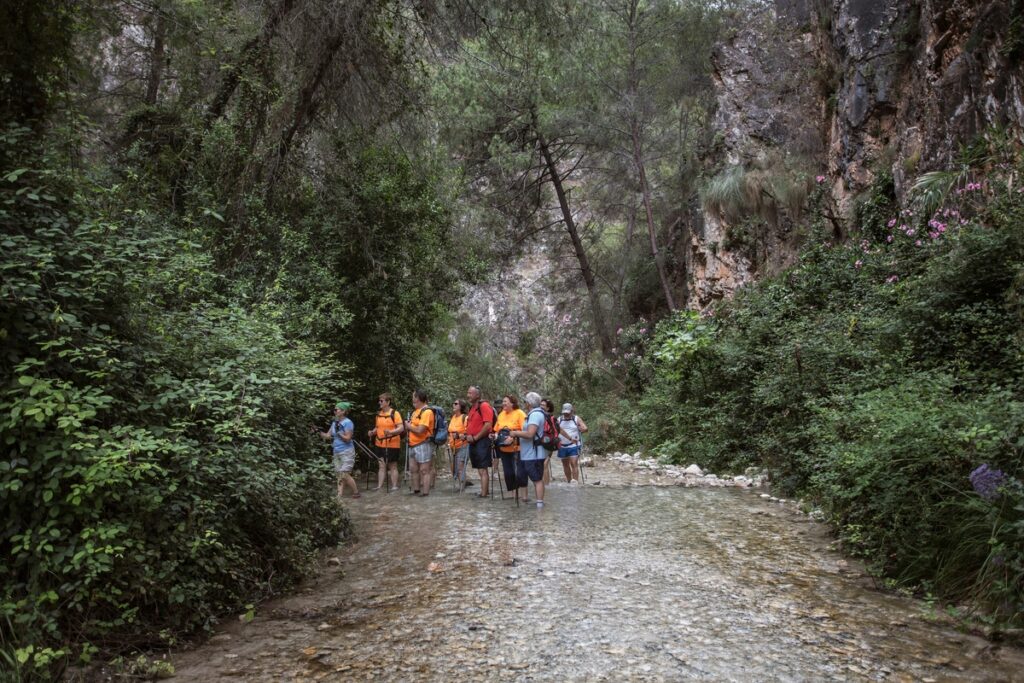
Hiking along the River Chillar near Nerja. Credit: Qart Hadasht - Shutterstock
Access to one of Axarquia’s most popular natural sites could resume soon under new regulations that end years of unrestricted entry. Authorities closed the Chillar river trail in 2023 to address overcrowding issues. Two detailed proposals now sit with the Junta de Andalucia, both about managed access, reduced numbers and stronger environmental safeguards.
Tourism initiative suggests daily cap of 615 visitors
One company has presented a plan with entry control near the old quarry leading to the Fabrica de la Luz, the official start of the river route shared by Nerja and Frigiliana areas. This option allows up to 615 people daily with no more than 360 present at once. Groups will stay small at maximum 15 hikers, entering between 9am and 4.30pm for roughly four-hour walks.
Voluntary shuttle services would help manage movement between the control point and starting area since private vehicles remain banned. Additional features include a control booth, subtle signage, picnic benches and habitat improvements such as temporary ponds for amphibians, removal of invasive reeds and riverbank vegetation restoration. Planners estimate these works at 74,200 euros.
Paid reservation system for seasonal operation
Another company proposes a booking-based model running from May 1 to November 1, with possible extension. Daily capacity would then reach around 500 visitors between 9am and 18:00. Tickets cost 4.90 euros including VAT and provide visitor insurance throughout the managed section.
Purchases occur online or at the control booth. Colour-coded wristbands help monitor numbers and identify authorised users. The system adds information panels, location maps, emergency meeting points, risk warnings and video surveillance for sensitive zones. Discounts apply to Nerja residents, schools, local groups, travel agencies and tourism businesses, while some daily slots stay reserved for regional operators.
Both options put safety measures first and nature conservation
Proposals align on essential requirements for any future opening. Controls regulate visitor flow, deliver advance information and mark hazards clearly. Coordination with emergency services forms another key element.
Previous free access led to peaks of 3,000 daily visitors in summer, causing litter buildup, path erosion, vegetation damage, graffiti and dangerous crowding in narrow sections known as the cahorros. New systems hope to prevent repetition of those problems while allowing sustainable enjoyment of this scenic Malaga trail.
Follow Euro Weekly News on Google News
Get breaking news from Spain, travel updates, and expat stories directly on your Google News feed.
Follow on Google NewsSign up for personalised news
Subscribe to our Euro Weekly News alerts to get the latest stories into your inbox!
By signing up, you will create a Euro Weekly News account if you don't already have one. Review our Privacy Policy for more information about our privacy practices.





Adam Woodward
Adam is a writer who has lived in Spain for over 25 years. With a background in English teaching and a passion for music, food, and the arts, he brings a rich personal perspective to his work at Euro Weekly News. As a father of three with deep roots in Spanish life, Adam writes engaging stories that explore culture, lifestyle, and the everyday experiences that shape communities across Spain.
Comments