Metro de Madrid to use Elon Musk’s Starlink for underground satellite coverage
By Molly Grace • Published: 24 May 2026 • 14:18 • 3 minutes read
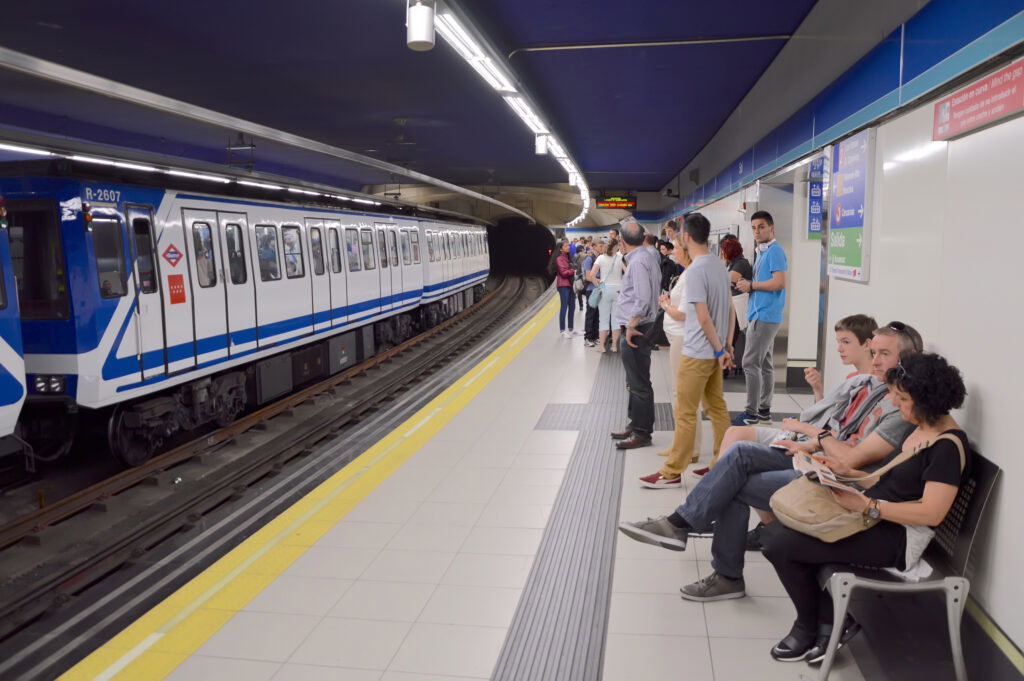
The installation includes independent backup batteries and emergency power systems designed to maintain communications even if the main electricity network fails. Photo credit: Enriscapes/Shutterstock
Metro de Madrid is preparing to introduce a satellite-based emergency communication system linked to Elon Musk’s Starlink network after the major blackout that affected Spain in April 2025 exposed weaknesses in underground communications across the capital’s metro system. The project follows the nationwide power outage on April 28 2025, when 230 metro trains stopped operating across the Madrid network.
According to reports, 44 trains became trapped inside tunnels and approximately 150,000 passengers had to be evacuated from stations and carriages during the disruption. Following the incident, Metro de Madrid purchased 60 satellite phones in June 2025 to ensure staff could continue communicating during future emergencies in which conventional mobile networks fail. However, underground tunnels created a major technical problem because satellite phones require direct access to satellite signals, which are normally blocked below ground.
Starlink Infrastructure to Be Installed Above Metro Network
To solve this issue, Metro de Madrid has launched a public contract to adapt parts of its infrastructure using Starlink satellite technology, operated through SpaceX, the aerospace company founded by Elon Musk. The system will involve the installation of around 12 satellite connection points positioned at locations with open access to the sky, including rooftops and ventilation structures above metro tunnels. These surface connection points will then distribute communications underground through fibre optic infrastructure connected to stations and tunnel systems.
The project also includes the purchase of an additional 10 satellite phones, increasing Metro de Madrid’s emergency inventory to 70 devices. The communication setup will combine Starlink satellite internet services with Inmarsat satellite telephony systems. Procurement documents published by the Community of Madrid place the estimated value of the contract at more than €1.2 million excluding VAT. The agreement includes installation work, maintenance, network adaptation and satellite service provision.
System Designed to Operate During Power Failures
According to the published technical details, the system is intended to continue functioning during major infrastructure failures, including electrical outages that disable standard mobile communications. The installation includes independent backup batteries and emergency power systems designed to maintain communications even if the main electricity network fails. Metro de Madrid has described the project as the second phase of its emergency satellite communications deployment following the blackout.
The April 2025 incident highlighted how vulnerable large urban transport systems can become during widespread infrastructure failures. During the outage, metro staff faced difficulties coordinating evacuations underground while passengers inside tunnels experienced communication problems due to the collapse of normal mobile coverage. The satellite-based system is intended to provide an independent communication layer capable of functioning separately from conventional telecommunications infrastructure during emergencies.
What It Means for Madrid Residents
For residents of Madrid, the new infrastructure is designed to improve emergency response capability across one of Europe’s largest underground transport systems. Millions of passenger journeys take place on the Metro de Madrid network every week, making reliable communication during emergencies critical for evacuations, operational coordination and public safety.
The satellite-backed system is expected to strengthen communication between metro control centres, security teams, technical staff and emergency services during future incidents involving power loss or telecommunications failures. While the project will not provide direct satellite phone access to ordinary passengers, authorities believe it will improve the ability of metro staff to manage emergencies more effectively underground.
The system may also reduce operational disruption during future infrastructure failures by allowing communication channels to remain active even if mobile networks are unavailable.
Impact on Tourists Visiting Madrid
For tourists visiting Madrid, the changes are unlikely to alter daily travel across the metro system during normal operations. The infrastructure will function primarily as an emergency backup system operating in the background rather than as a public communications service. However, the project could play an important role during major disruptions affecting transport across the city. Madrid’s metro system is heavily used by international visitors travelling between the airport, hotels, museums, shopping districts and major tourist attractions.
During the April 2025 blackout, both residents and tourists were affected by widespread transport disruption and communication difficulties. Improved emergency coordination may help reduce confusion during future incidents involving service interruptions or evacuations. The project also reflects a broader shift among transport authorities towards developing independent backup communication systems capable of operating during large-scale infrastructure failures.
Metro de Madrid’s decision to integrate satellite technology into its underground network highlights the growing importance of resilient communications in major urban transport systems, particularly after recent events demonstrated how quickly conventional networks can fail during large-scale outages.
Follow Euro Weekly News on Google News
Get breaking news from Spain, travel updates, and expat stories directly on your Google News feed.
Follow on Google NewsSign up for personalised news
Subscribe to our Euro Weekly News alerts to get the latest stories into your inbox!
By signing up, you will create a Euro Weekly News account if you don't already have one. Review our Privacy Policy for more information about our privacy practices.





Molly Grace
Molly is a British journalist and author who has lived in Spain for over 25 years. With a background in animal welfare, equestrian science, and veterinary nursing, she brings curiosity, humour, and a sharp investigative eye to her work. At Euro Weekly News, Molly explores the intersections of nature, culture, and community - drawing on her deep local knowledge and passion for stories that reflect life in Spain from the ground up.
Comments