That birdsong outside your window? These stunning summer visitors are back on the Costa del Sol
By Lucy Ramnought • Published: 24 May 2026 • 13:37 • 2 minutes read
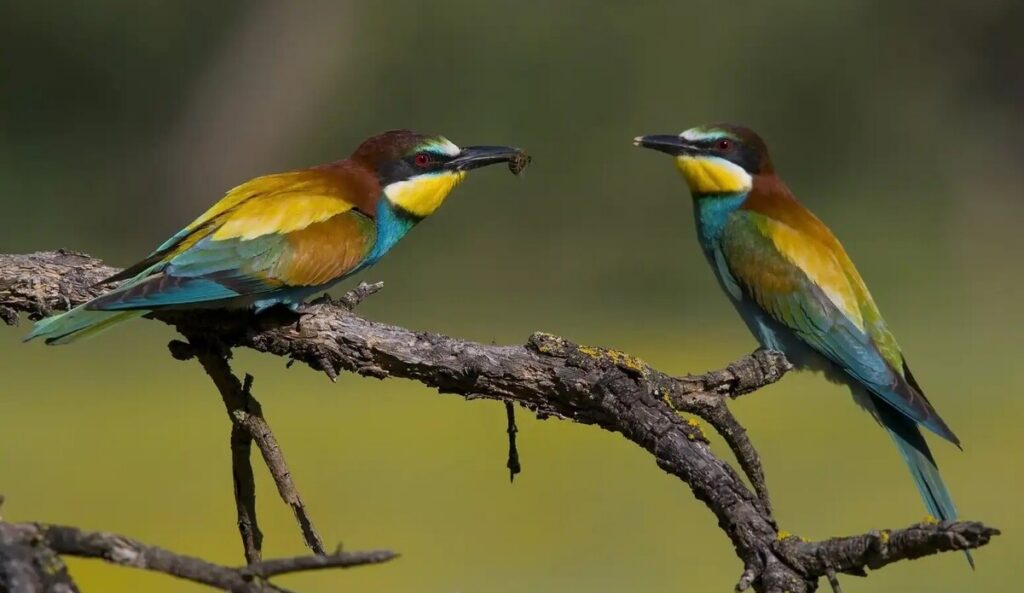
The birds return for the season Credit:DPM
If you’ve been hearing unfamiliar calls on your morning terrace with your coffee or spotted a flash of colour over the campo, you’re not imagining things, some of Spain’s most beautiful summer birds are back for the season.
The Bee-Eater, one of the most colourful guests has arrived
The European bee-eater sports a dazzling mix of chestnut, turquoise, yellow and black,and it spends its summers right here in Malaga province. Bee-eaters typically arrive in April and May, and residents along the western coast, around Estepona, Manilva and inland towards Casares, are often treated to small flocks hunting insects over the campo. Their call is a soft, liquid rolling trill. Keep an eye on any sandy banks or earth cliffs near you, bee-eaters nest colonially by digging tunnels into soft ground, and once you find a colony, they’ll return to the same spot year after year.
The Golden Oriole, the brilliantly bright show off
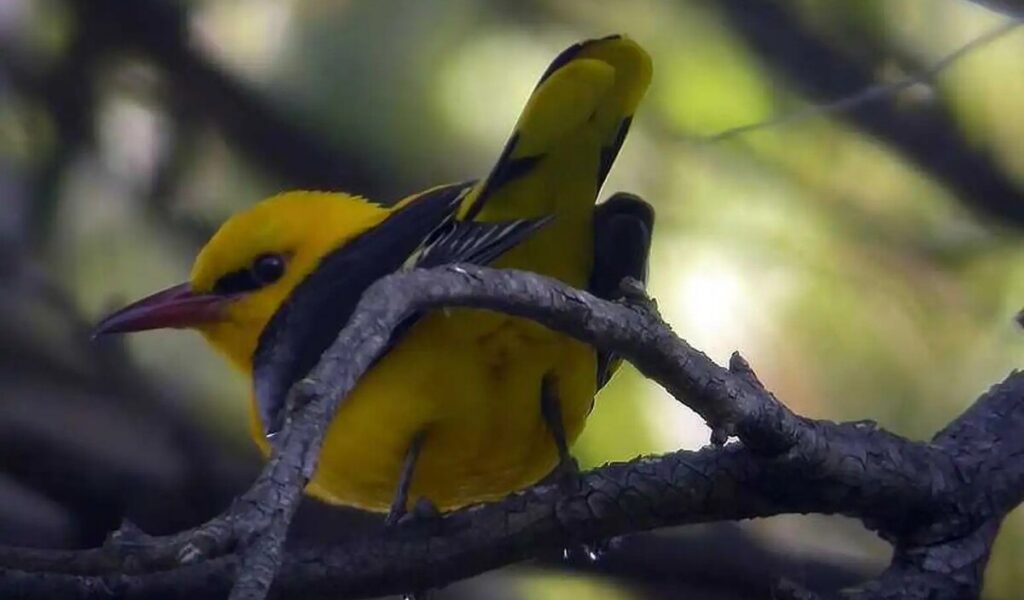
Credit:DPN
The golden oriole is one of the best-kept wildlife secrets for the area. The male is a stunning lemon-yellow and jet-black, brighter than almost anything else in the European countryside, yet he has a talent for disappearing into leafy canopies and going completely unnoticed. Most residents hear him long before they ever see him with his loud, melodious, flute-like whistle that sounds almost tropical. If you live near mature trees, a riverbed, or a well-planted urbanisation, there may well be one singing above your head right now. Orioles pass through the province in good numbers during spring migration and a healthy population stays to breed in wooded valleys, particularly around the Genal and Guadalhorce river systems inland from the coast.
The Nightingale, the night music to your ears
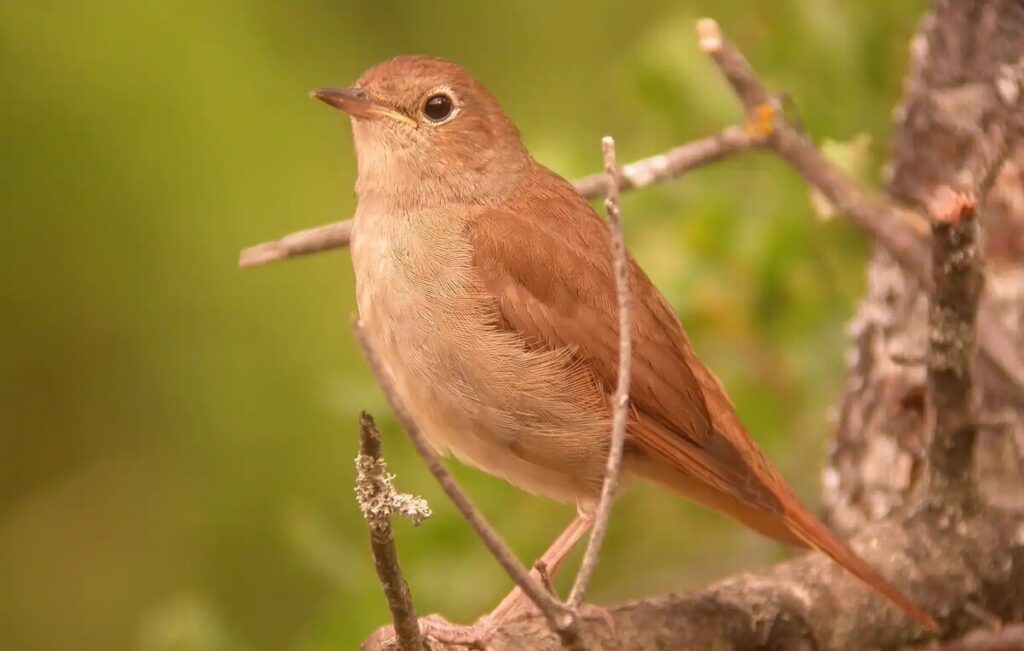
Credit:DPM
Spanish spring evening with a glass of wine on your balcony, and the nightingale comes up time and again. This small, unremarkable-looking brown bird produces one of the most complex and powerful songs, a cascading, ever-changing song of whistles, trills and bubbly notes that can go on all night long. Nightingales favour dense scrub, overgrown gardens and shady riverbeds, and they’re far more widespread than most people realise. If you have a stream, a patch of thick vegetation, or even a well-established garden hedge nearby, you may already have one.
Where to spot all three this spring into summer
You don’t need to go far. The Desembocadura del Guadalhorce nature reserve, just west of Malaga city, is superb for all three species and well worth an early morning visit. The countryside around Estepona, Casares and the Rio Genal valley is also a good option. Many residents find all three simply by paying closer attention to the land around their own home. The best thing is when the wildlife comes to you.
Species data sourced from the Diputacion de Malaga natural heritage database. All three species are protected under Spanish and EU wildlife legislation.
Follow Euro Weekly News on Google News
Get breaking news from Spain, travel updates, and expat stories directly on your Google News feed.
Follow on Google NewsSign up for personalised news
Subscribe to our Euro Weekly News alerts to get the latest stories into your inbox!
By signing up, you will create a Euro Weekly News account if you don't already have one. Review our Privacy Policy for more information about our privacy practices.




Lucy Ramnought
Lucy Ramnought is a local news writer and mother of 4 from the UK who has lived in the Costa Del Sol for just over 4 years. With a background in content writing and social media for various companies, and with vast experience in PA and project management, Lucy is committed to producing accurate, engaging and reliable stories to her work at Euro Weekly News.
Comments