The best places to escape Spain’s expected summer heatwaves in 2026
By Molly Grace • Published: 24 May 2026 • 15:15 • 3 minutes read
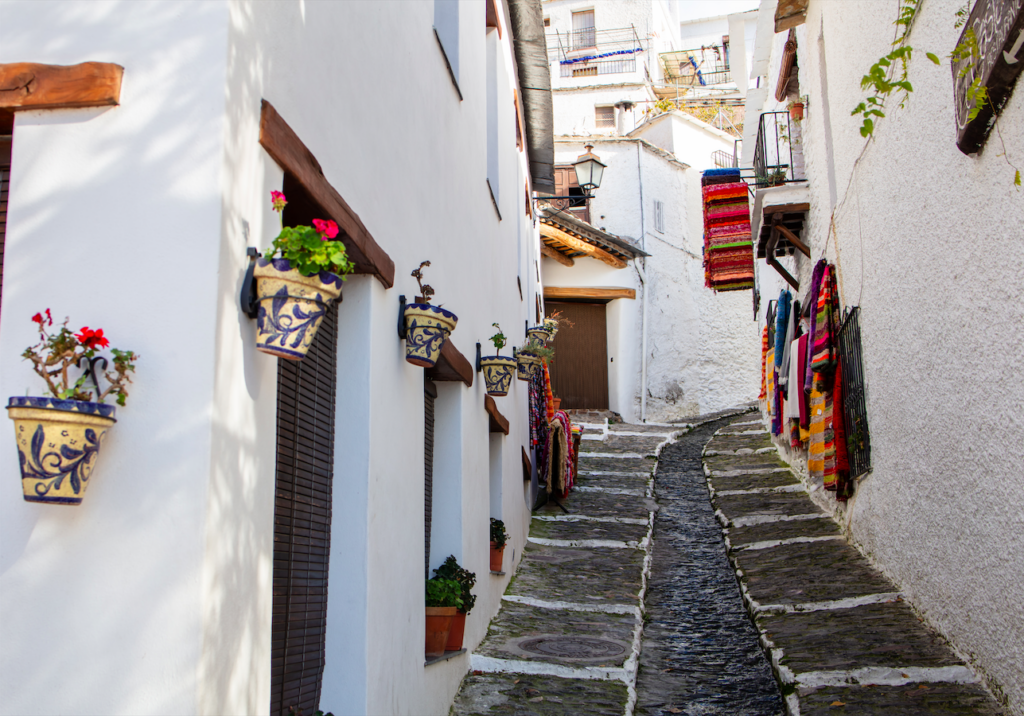
Villages including Trevélez, Pampaneira, Bubión and Capileira sit at high elevations. Photo credit: estudioluismatias/Shutterstock
As Spain approaches the summer months, travellers planning for 2026 are increasingly considering destinations that typically remain more comfortable during the hottest period of the year, particularly July and August. Inland and southern regions can experience prolonged heatwaves, which makes geography and altitude key factors when choosing where to visit.
Rather than avoiding Spain altogether, many visitors are opting for areas shaped by Atlantic weather systems or higher elevations, where temperatures tend to remain more moderate and evenings are cooler.
Northern Spain Offers the Most Consistent Relief from Heat
Spain’s northern coastline remains the most reliable option for avoiding extreme summer temperatures. The Atlantic influence helps keep daytime highs lower and reduces the intensity of heat spikes common further south and inland.
Galicia, in the far north-west, is one of the clearest examples. Its coastal inlets, green landscapes and maritime climate result in milder summer conditions than most of the country. Cities such as Santiago de Compostela and the Rías Baixas coastline attract visitors seeking outdoor travel without sustained high heat.
Asturias follows a similar pattern, with a combination of coastline and mountainous terrain helping to moderate summer temperatures. Cities such as Oviedo and coastal areas like Gijón allow for beach access without the intense conditions often experienced in southern Spain.
The Basque Country Combines Coastal Climate and Urban Tourism
The Basque Country continues to attract visitors looking for a balance between city tourism and more manageable summer weather.
Bilbao offers museums, riverside architecture and food markets, while nearby San Sebastián remains one of Spain’s most popular urban beach destinations. The region’s Atlantic climate keeps temperatures generally lower than central Spain, although humidity can occasionally increase during warmer periods.
Sea breezes along the coastline often make outdoor activity more comfortable than in inland cities during the hottest part of the day.
Mountain Regions Provide Cooler Inland Alternatives
For travellers who prefer inland tourism, altitude remains one of the most effective ways to reduce exposure to extreme heat. The Pyrenees, stretching along the border with France, offer cooler daytime conditions during summer due to their elevation. Hiking routes, lakes and mountain villages provide alternatives to hotter lowland destinations.
Closer to Madrid, the Sierra de Guadarrama also serves as a popular escape during warm periods, with temperatures often dropping noticeably in the evenings compared with the capital.
La Alpujarra Offers Cooler Conditions in Southern Spain
While Andalucía is often associated with extreme summer heat, the Alpujarra region in Granada province benefits from its position on the southern slopes of the Sierra Nevada.
Villages including Trevélez, Pampaneira, Bubión and Capileira sit at high elevations, helping moderate daytime temperatures compared with lower-altitude cities such as Granada, Cordoba and Sevilla. Trevélez, at more than 1,400 metres above sea level, is among the highest villages in Spain.
The region has become increasingly popular for travellers seeking cooler nights, hiking routes and rural accommodation without leaving southern Spain.
Cadiz Province Benefits From Atlantic Airflow
Cadiz province offers another alternative for travellers looking to avoid the most intense summer conditions in Andalucia.
Located on Spain’s Atlantic coast, the province benefits from sea breezes that help reduce the severity of heat compared with inland areas. Cities and towns such as Cadiz city, El Puerto de Santa María and Sanlúcar de Barrameda generally experience more moderate conditions than Sevilla or Cordoba.
Tarifa, positioned at the southernmost point of mainland Europe, is strongly influenced by Atlantic winds. Although summer temperatures can still be high, airflow often makes conditions feel less oppressive than in more enclosed inland regions.
Mediterranean Destinations Require More Careful Planning
The Mediterranean coast remains one of Spain’s most visited summer regions, although temperatures can become intense during heatwaves. Barcelona continues to attract large visitor numbers, but many travellers increasingly plan sightseeing for mornings or evenings during hotter periods.
Coastal breezes help moderate temperatures near the waterfront, although inland districts can still become very warm. Further south, parts of Valencia and Murcia frequently experience higher summer temperatures, particularly away from the coastline.
Summer 2026 Travel Patterns Continue to Shift
As Spain approaches the peak summer travel season, attention is once again turning to heat conditions expected across much of the country during July and August. Long-range seasonal forecasts from European climate monitoring agencies indicate that above-average temperatures are likely across large parts of southern and western Spain.
In recent years, prolonged heatwaves have increasingly affected inland and southern parts of the country, particularly Andalucia, Extremadura and central Spain. Cities such as Sevilla, Cordoba and Madrid regularly record temperatures above 35C during peak summer periods, with occasional spikes exceeding 40C during major heat events. As a result, travellers planning holidays in 2026 are increasingly considering destinations shaped by Atlantic weather systems, higher altitudes or stronger coastal airflow.
Many visitors are adapting by selecting destinations where geography, altitude and coastal airflow help reduce exposure to prolonged extreme heat.
Follow Euro Weekly News on Google News
Get breaking news from Spain, travel updates, and expat stories directly on your Google News feed.
Follow on Google NewsSign up for personalised news
Subscribe to our Euro Weekly News alerts to get the latest stories into your inbox!
By signing up, you will create a Euro Weekly News account if you don't already have one. Review our Privacy Policy for more information about our privacy practices.




Molly Grace
Molly is a British journalist and author who has lived in Spain for over 25 years. With a background in animal welfare, equestrian science, and veterinary nursing, she brings curiosity, humour, and a sharp investigative eye to her work. At Euro Weekly News, Molly explores the intersections of nature, culture, and community - drawing on her deep local knowledge and passion for stories that reflect life in Spain from the ground up.
Comments