Germany’s citizenship boom hits record high; but authorities warn the surge isn’t over
By Molly Grace • Published: 09 Jun 2026 • 19:33 • 3 minutes read
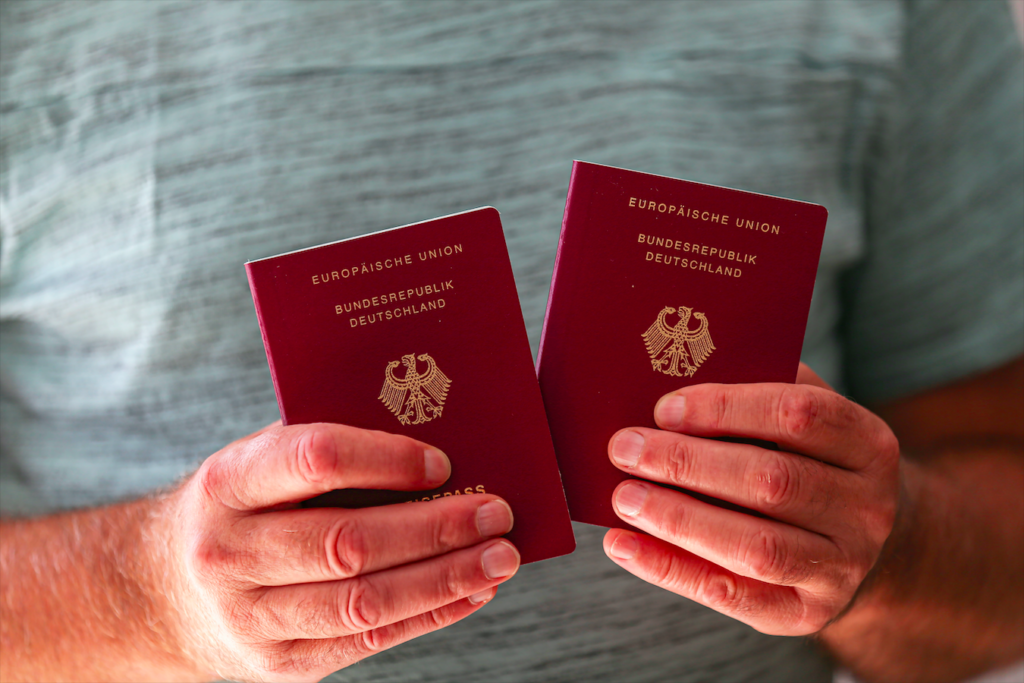
The figures reflect migration patterns that have shaped Germany over the past decade. Photo credit: Maleo/Shutterstock
Germany’s citizenship system is facing unprecedented demand after a record number of people were granted nationality last year, with authorities now warning that an even larger wave of applications could be on the way.
New figures show that Germany naturalised more people in 2025 than at any point since records began more than two decades ago, following major changes to citizenship laws that made it easier and faster for foreign residents to become German citizens.
While the record numbers have been welcomed by supporters of the reforms, local authorities are increasingly concerned about their ability to cope with future demand. With around 1.3 million Ukrainian refugees currently living in Germany and many expected to become eligible for citizenship from 2027 onwards, some municipalities fear existing systems could struggle to handle the volume of applications.
Germany Records Highest Number of New Citizens
Germany granted citizenship to a record 332,500 people in 2025, according to the country’s Federal Statistical Office (Destatis), representing a 14 per cent increase compared with the previous year and the highest annual figure since records began in 2000. The milestone comes less than a year after sweeping changes to Germany’s nationality laws came into force.
The reforms reduced the standard residency requirement for naturalisation from eight years to five years and significantly expanded access to dual citizenship. Many applicants who previously faced a lengthy wait to obtain German nationality became eligible under the new rules, contributing to the sharp rise in successful applications.
Citizenship Reforms Reshape the System
The changes, introduced in June 2024, were designed to modernise Germany’s approach to citizenship and better reflect an increasingly diverse population.
Supporters argued that people who have spent years living, working and paying taxes in Germany should have a clearer route to becoming full members of society. The reforms also removed the requirement for many applicants to give up their original nationality, a longstanding obstacle for some foreign residents.
The impact was felt almost immediately, with naturalisation numbers reaching levels not seen since modern records began.
Syrians, Turks and Russians Among Largest Groups
Syrian nationals accounted for around one in five people granted German citizenship in 2025, making them the largest group among new citizens. Turkish nationals represented approximately 10 per cent of all naturalisations, while Russian nationals made up around 6 per cent. The figures reflect migration patterns that have shaped Germany over the past decade.
Many Syrians who arrived during the refugee crisis of 2015 and 2016 have now lived in the country long enough to qualify for citizenship under the revised rules. The increase among Turkish nationals was also significant, with wider access to dual citizenship making naturalisation a more attractive option for many long-term residents.
Authorities Prepare for Ukrainian Applications
Despite the record figures, much of the attention is already focused on what comes next. German municipalities are preparing for a potential surge in applications from Ukrainian refugees who arrived following Russia’s full-scale invasion in 2022. Germany currently hosts around 1.3 million Ukrainian citizens, many of whom could begin meeting citizenship requirements from 2027 onwards.
According to documents cited by German newspaper Die Welt, local authorities have warned that citizenship offices may face substantial pressure as eligibility expands. Officials are concerned that current staffing levels and administrative capacity may not be sufficient to process a large influx of applications within reasonable timeframes.
Citizenship Offices Already Facing Strain
Many naturalisation offices across Germany are already operating under significant pressure. Several municipalities have reported heavy workloads and growing waiting times, raising concerns that future increases in applications could create further delays.
Local authorities stress that the challenge is administrative rather than legal. The issue is not whether applicants qualify for citizenship, but whether existing systems can process applications efficiently as demand rises. Calls for additional funding, staffing and digitalisation have become increasingly common as municipalities attempt to prepare for future demand.
Debate Over Germany’s Citizenship Future
The record number of naturalisations is likely to intensify political debate over immigration, integration and citizenship policy.
Supporters argue that citizenship strengthens social cohesion by giving long-term residents full political rights and a greater sense of belonging. Critics, meanwhile, have questioned whether the residency requirements were reduced too far and whether the pathway to citizenship has become overly accessible.
Regardless of where the debate leads, the figures underline the scale of demographic change taking place in Germany. With a record 332,500 people naturalised in a single year and more than one million Ukrainians potentially becoming eligible in the years ahead, the country’s citizenship system is entering a period of exceptional demand.
How Germany manages that pressure may become one of the biggest tests of its citizenship reforms in the years to come.
Follow Euro Weekly News on Google News
Get breaking news from Spain, travel updates, and expat stories directly on your Google News feed.
Follow on Google NewsSign up for personalised news
Subscribe to our Euro Weekly News alerts to get the latest stories into your inbox!
By signing up, you will create a Euro Weekly News account if you don't already have one. Review our Privacy Policy for more information about our privacy practices.




Molly Grace
Molly is a British journalist and author who has lived in Spain for over 25 years. With a background in animal welfare, equestrian science, and veterinary nursing, she brings curiosity, humour, and a sharp investigative eye to her work. At Euro Weekly News, Molly explores the intersections of nature, culture, and community - drawing on her deep local knowledge and passion for stories that reflect life in Spain from the ground up.
Comments