Find out if your car or caravan needs its ITV in Spain— and how to pass it like a pro
By Santiago Carneri • Published: 20 Apr 2025 • 15:25 • 2 minutes read
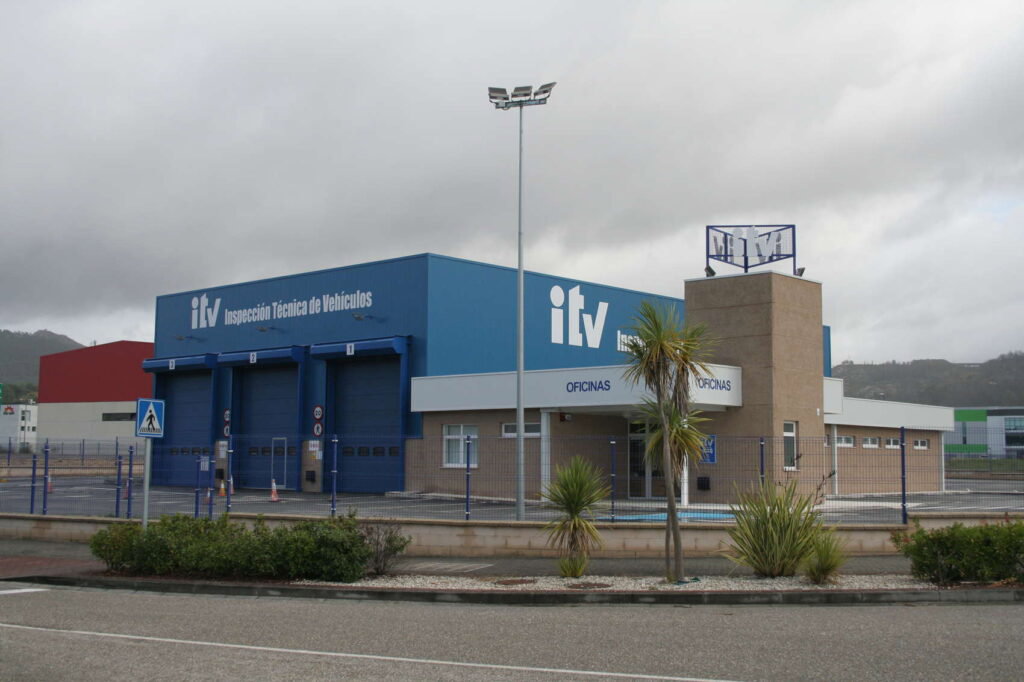
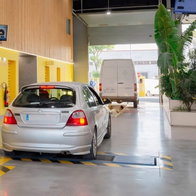
A quick inspection at home or in the garage could save you a failed test. Credit: La fábrica de nubes
Here’s a friendly 12-step survival guide to help you breeze through your next ITV (Spain’s version of the MOT), whether you’re driving a modest hatchback or hauling a mobile holiday home.
- Check the deadline
Have a look at your vehicle’s technical data sheet (Tarjeta ITV) and the logbook (permiso de circulación). You can also check online via the DGT website using your registration number.
Procrastination is not your friend here—fines are no joke.
- Book an appointment
You’ll need to schedule your visit via the official website of your chosen ITV station, or by phone if you prefer the classic touch. In some regions like Madrid and Catalonia, pre-booking is compulsory.
- Round up the paperwork
Don’t leave home without:
- Your ID (DNI/NIE)
- Vehicle registration certificate
- ITV card (technical sheet)
- Proof of insurance (usually checked online, but it’s good to have it just in case)
- Give it a once-over
A quick inspection at home or in the garage could save you a failed test. Check things like tyre pressure, oil levels, lights, and make sure the seatbelts retract properly. You’ll thank yourself later.
- Caravans: know your weight class
- Under 750 kg MMA: Only inspected upon first registration
- Over 750 kg MMA: Regular ITV required
- Every 2 years until the caravan turns 6
- Every year from age 6 onward
Even caravans have to grow up eventually.
- Clean the vehicle
Stations recommend a tidy vehicle. Dirt and grime under the car, on the engine or the windows can actually trigger a fail. A clean car is a calm car. Allegedly.
- Check the tow hitch
If you use a trailer or caravan, the tow hitch must be type-approved and recorded in the technical sheet. This is not optional, and it’s checked.
- Arrive early
Most stations allow you in 10 to 15 minutes before your slot. Better early than in a panic.
- Follow the inspector’s lead
Lights, brakes, emissions, steering—there’ll be instructions. Follow them calmly and try not to take it personally. The inspector isn’t judging your driving, just the car.
- Check the result
- If you pass: you’ll get a new sticker and a stamp in the technical card
- If you fail: you’ll receive a report listing faults and have two months to sort them out and return, usually without paying again
Keep the champagne on ice just in case.
- Stick it on
The ITV sticker goes in the top right corner of your windscreen (as seen from the driver’s seat). Yes, even if it clashes with your air freshener.
- Keep the paperwork
The inspection report and updated technical sheet should be kept in the car. You never know when someone official might ask for them.
Which vehicles need an ITV in 2025?
The frequency depends on the vehicle’s age, calculated from the date it was first registered.
Cars registered in 2021? It’s their turn in 2025.
ITV Schedule at a Glance:
Private Cars (Turismos)
- 0–4 years: Exempt
- 4–10 years: Every 2 years
- 10+ years: Every year
Caravans Over 750 kg MMA
- 0–6 years: Every 2 years
- 6+ years: Every year
Stay tuned with Euro weekly news for the latest news about Spain and Mallorca.
Follow Euro Weekly News on Google News
Get breaking news from Spain, travel updates, and expat stories directly on your Google News feed.
Follow on Google NewsSign up for personalised news
Subscribe to our Euro Weekly News alerts to get the latest stories into your inbox!
By signing up, you will create a Euro Weekly News account if you don't already have one. Review our Privacy Policy for more information about our privacy practices.
Santiago Carneri
Santiago is a freelance journalist, writer, photographer, and documentary producer with over a decade of experience reporting from Paraguay and Brazil. His work has appeared in The New York Times, The Guardian, Vice News, BBC, Associated Press, France Press, Der Spiegel, Deutsche Welle, El País, and more. Now based in Dénia—his self-described secret paradise—Santi contributes to Euro Weekly News, bringing a global perspective to both local and international stories. Outside of journalism, he enjoys boxing and cultivating his home garden.
Comments