Wallapop Scams Are Spreading Fast — Here’s How to Spot Them
By Tarek Salame • Published: 13 May 2025 • 18:49 • 4 minutes read
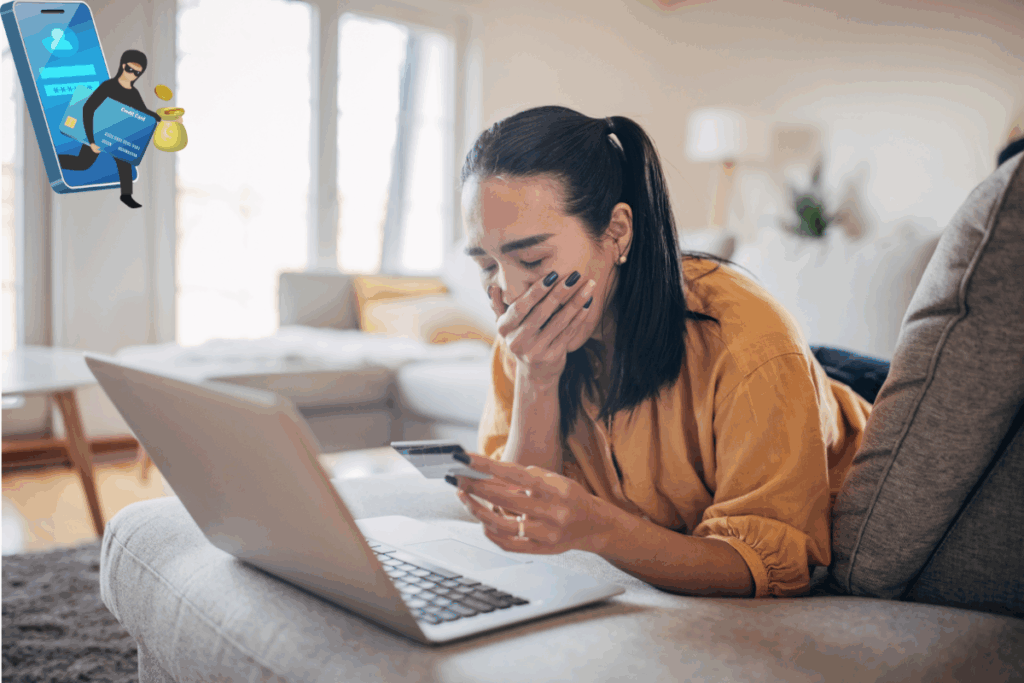
Wallapop scams are on the rise in Spain—here's how to protect yourself. Credit: Canva
It looks local, feels safe, and is just a neighbour selling a chair, right? Wallapop, Spain’s second-hand shopping application, is designed to feel like a digital flea market. But recently, the application has had a wave of fast-evolving scams that have shaken the platform, and it is targeting new users and expats. So if you use Wallapop to furnish a flat, flip old furniture, or sell your bike, read this before replying to your next message.
The illusion of local trust
Now, Wallapop’s map-based layout does something clever: it makes sellers casual, close and friendly. You aren’t dealing with a random username and a warehouse; you are chatting with “Miguel, 1.5km away”. This design lowers your defences, and it doesn’t feel like Vinted or eBay, it is more like borrowing sugar from the guy across the hall. But that very same design can create a perfect disguise for scammers, who will exploit your instinct to trust “nearby profiles” and “polite buyers” and they are getting smarter by the day.
Real Wallapop scam tactics
Let us break down the most common and increasingly sophisticated scam formats backed by actual complaints, Wallapop warnings, and expat experiences in Spain.
- The courier + fake payment link scam: This scam works when a buyer contacts you, saying they will send a courier to collect your item. The buyer insists on paying upfront and sends you an external link that imitates Wallapop’s official payment page. But this is a phishing page; once you enter your card information, it is game over.
- Fake buyer asks for your email: Someone will message you via WhatsApp and show quick interest in buying most of what you are selling, then ask for your email to confirm the payment. You will then soon meet a fake email pretending to be from Wallapop or Correos with weird links requesting bank details.
- Phantom listings and deposit returns: A scammer will post a fantastic deal, often on items like iPhones, PlayStations, Scooters, or even long-term rentals (I’m not joking). The price will be just low enough to tempt you. They will then ask you for a small business deposit to reserve the item and then ghost you.
Firstly, never do so from outside the application. What makes it convincing is that the emails will use Wallapop logos and copy their layout, so at first glance, it will seem like Wallapop. But always look at the sender address, like confirm@wallapop-delivery.com, which is fake.
The red flags are when they move the chat to email or WhatsApp, email addresses not ending in Wallapop.com and to verify payment or confirm delivery. The red flags to look out for are if the link is sent outside of Wallapop’s application, slight errors in URL, and courier urgency with “I cannot come in person”. If this happens to you and you report it to Wallapop, they can do nothing to assist you. So, to spot if the seller is vague or refuses to meet you in person, if they ask you for a small upfront payment, and if the item is too good to be true, which, a lot of times, it usually is.
Why do these scams work so well?
This is how platforms like Wallapop use design to build false trust, unintentionally helping scammers. The proximity effect, which tells you he is just down the street, can disarm your instincts, polite Spanish phrasing that adds warmth, and many expats do not know yet that the app has a portion of fake profiles and fishy messages. So here is a checklist to stay safe:
- Never click on external links that are sent in messages.
- Check the profile age and reviews before you engage and buy.
- Keep your conversations within the application and do not move too soon to WhatsApp.
- Only use Wallapop’s built-in payment and delivery services, even if they cost a bit more.
- Never send deposits to reserve the item, for something you haven’t seen in person.
- Ignore urgency tactics where scammers push you to act faster than you think.
Steps after being scammed
If you think you’ve fallen for a Wallapop scam, don’t panic, but act fast with these steps:
- Notify your bank or payment service: If you entered your banking information or made a transfer outside the app, contact your bank and freeze your card before the scammers take more money from you.
- Stop contact immediately: Block the user and report the chat using the in-app report function. This will help other users avoid being scammed.
- Gather evidence: Take screenshots of the conversation, links, fake emails, and any relevant transactions. Save the scammer’s profile before it disappears.
- Report to Wallapop: Use their help centre at https://ayuda.wallapop.com. Explain the situation and include screenshots that you saved in the previous step.
- File a police report: In Spain, report the incident to either the Policía Nacional or Guardia Civil. In some cases, this will require banks to proceed with refunds.
Scams do not happen because people are gullible; they can occur between what is real and almost real. While Wallapop is a great app, it is not immune to the same tactics you would expect from global scams. So, before you think about hitting send on that €50 deposit, take a breath, re-read, and ask: Would I trust this deal if it wasn’t that close to me?
Sign up for personalised news
Subscribe to our Euro Weekly News alerts to get the latest stories into your inbox!
By signing up, you will create a Euro Weekly News account if you don't already have one. Review our Privacy Policy for more information about our privacy practices.





Tarek Salame
Tarek is a writer and digital marketer based in Barcelona, with a passion for turning complex ideas into clear, compelling narratives. With a background in marketing communications, tech, and content strategy, he has worked across industries ranging from cloud computing and fintech to fire safety and science. At Euro Weekly News, he contributes thoughtful, accessible stories that connect readers with topics shaping the modern world.
Comments