EU blocks UK bid to scrap roaming charges in Brexit talks
By Farah Mokrani • Published: 21 May 2025 • 13:08 • 1 minute read
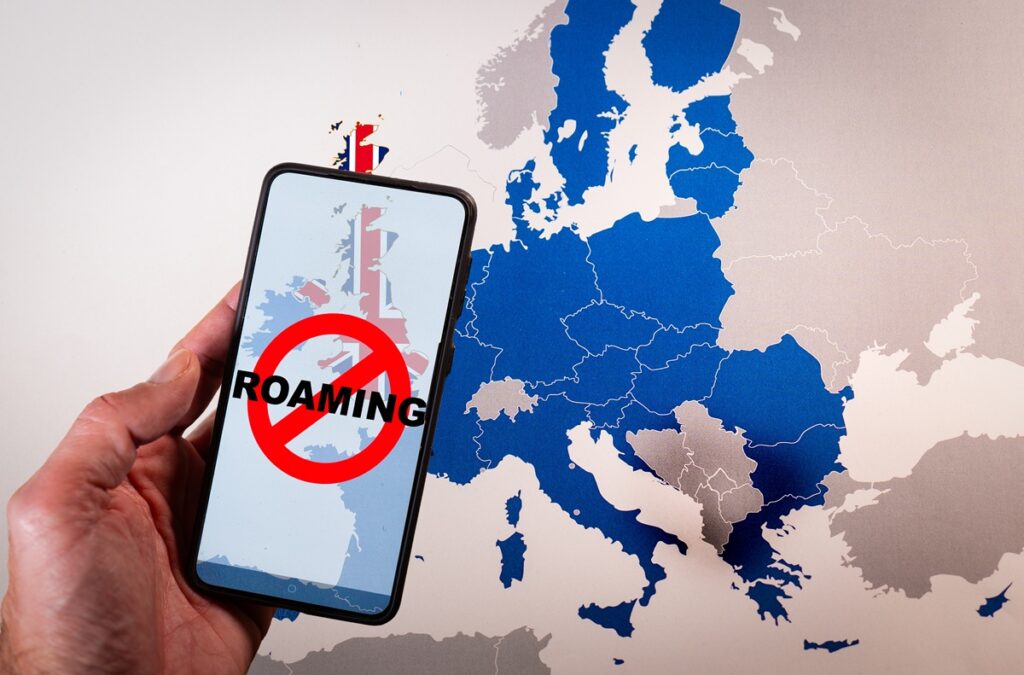
The EU has blocked the UK’s attempt to rejoin the free roaming zone, leaving British tourists facing higher phone bills when travelling across Europe. Credit : Ivan Marc, Shutterstock
British holidaymakers face more frustration as EU says no to cheaper mobile use abroad
British travellers hoping for a return to free EU roaming are set for disappointment. As part of the UK government’s attempt to ‘reset’ Brexit relations, a proposal to scrap mobile phone roaming charges was pushed forward by Prime Minister Sir Keir Starmer’s team, but has now been firmly rejected by EU member states, including Spain and Italy, according to the Telegraph.
The move was meant to deliver one of the few tangible wins for UK tourists post-Brexit. But with key holiday destinations digging in, it’s clear that cheaper mobile use abroad won’t be coming back any time soon.
Spain and Italy said no — and British tourists will pay the price
The EU’s flat refusal to readmit the UK into its ‘roam like at home’ scheme, which allows travellers to use data and calls across borders at local rates, has frustrated British negotiators. Southern European nations — which benefit enormously from UK tourism — were among the main voices opposing the deal.
The scheme, which ended for UK travellers after Brexit, had saved British holidaymakers an estimated £1.4 billion a year when first introduced in 2016. But since leaving the EU, most UK mobile providers have reintroduced roaming charges, with holidaymakers now facing extra costs for using their phones abroad — from data bundles to call fees.
E-gates for UK travellers delayed until autumn and not guaranteed
Government officials had hoped to pair the roaming agreement with a separate deal giving British passport holders access to e-gates at EU airports, easing congestion at border control. But that, too, has hit a delay.
According to the latest update, nothing is expected to move on the e-gates front until at least October, when the EU’s new border entry system comes into effect. Even then, the decision to grant British travellers e-gate access will fall to individual countries, not the EU Commission. In practice, this means you might only get fast-tracked if the queues are long enough.
Sign up for personalised news
Subscribe to our Euro Weekly News alerts to get the latest stories into your inbox!
By signing up, you will create a Euro Weekly News account if you don't already have one. Review our Privacy Policy for more information about our privacy practices.





Farah Mokrani
Farah is a journalist and content writer with over a decade of experience in both digital and print media. Originally from Tunisia and now based in Spain, she has covered current affairs, investigative reports, and long-form features for a range of international publications. At Euro Weekly News, Farah brings a global perspective to her reporting, contributing news and analysis informed by her editorial background and passion for clear, accurate storytelling.
Comments
Brian
22 May 2025 • 13:43The EU should be scrapped, bring back the Common Market and get rid of all those unelected control freaks!
Colin
22 May 2025 • 13:44Another sell out by the government. Doesn’t matter if its Labour or Tories.
Andrea Jackson
22 May 2025 • 22:56Sold out again for the 2nd time by the wonderful world that is the EU.
Comments are closed.