Goodbye to Spanish place names in the Balearic Islands
By Olivier Acuña Barba • Updated: 07 Aug 2025 • 17:05 • 1 minute read
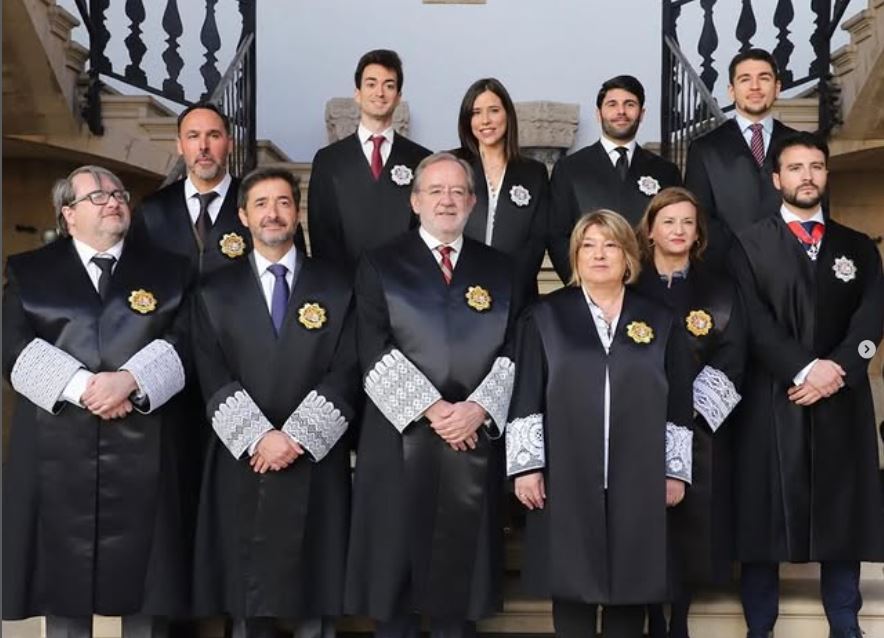
FEM-HO celebrated the decision for government use of the Catalan-language place names of the Balearic Islands and no longer the Spanish versions | Credit: Fem-ho/Instagram
The Ministry of the Presidency, Justice, and Parliamentary Relations has ordered all courts and tribunals in the Balearic Islands to use the official Catalan-language names of their headquarters in court orders, rulings, and judgments, regardless of the language in which they are written.
Moving forward, for example, the place names of Palma, Eivissa, and Maó will be used, and the previously common forms Palma de Mallorca, Ibiza, and Mahón will no longer be utilised.
This new measure responds to a request submitted in March 2025, which reported that most courts in Palma de Mallorca, Ibiza, and Mahón continued using the Spanish names on their documentation and letterheads.
‘And act of justice’
Spain’s Minister of Presidency Félix Bolaños said the changes in municipal names become official when they are registered in the Registry of Local Entities and published in the Official State Gazette, so it is appropriate to apply the toponymy of the official language in all judicial proceedings.
FEM-HO, a Menorcan association for the defence of the Catalan language, welcomed the decision, calling it “an act of justice”.
“The fact that the judiciary used unofficial names in its actions was unacceptable and incomprehensible, considering that it is subject to the rule of law,” the group said in an Instagram post. “The legislation regulating toponymy is clear: all official toponyms of the Balearic Islands are, for all intents and purposes, in Catalan.”
How about Spanish speakers’ rights?
However, Hablemos Español, a group advocating for the use of a common language across the country, wrote on X that with the measure, “the plundering of our toponymy continues”, as it has been happening in other regions in Spain, such as Catalonia, Valencia, the Basque Country, and Galicia.
“It’s worth remembering that the association was founded to defend the rights of Spanish speakers,” it said.
Sign up for personalised news
Subscribe to our Euro Weekly News alerts to get the latest stories into your inbox!
By signing up, you will create a Euro Weekly News account if you don't already have one. Review our Privacy Policy for more information about our privacy practices.





Olivier Acuña Barba
Olivier is a veteran journalist with over 40 years of experience writing in both English and Spanish. His career has covered a wide spectrum of topics—including organised crime, politics, business, entertainment, and international affairs—with work published by major outlets such as The Guardian, ITV News, and the Associated Press. At Euro Weekly News, Olivier brings depth and insight to stories that inform and engage international readers, drawing on decades of frontline reporting and interviews with world leaders, ministers, and renowned cultural figures.
Comments
Cati
06 August 2025 • 19:36Utterly ridiculous step backwards into the 20th century!
Comments are closed.