Spain’s holiday rental shake-up: New Rules, rising tensions and what it means for tourists and residents
By Farah Mokrani • Published: 11 Sep 2025 • 18:23 • 4 minutes read

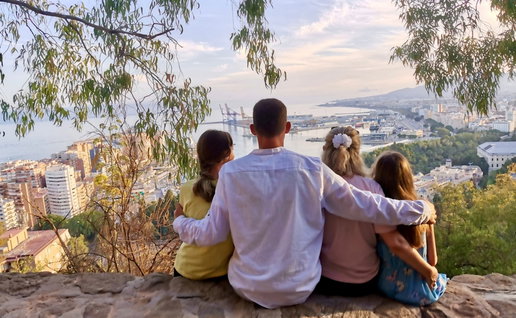
Spain tightens rules on Airbnb and tourist rentals. Credit : Charles-McClintock Wilson, Shutterstock
Holiday rentals have gone from being a bargain alternative to hotels to becoming one of Spain’s most contested issues.
In 2025, sweeping reforms, mass protests and growing public frustration have put short-term lets at the centre of the country’s housing debate.
A national registry becomes law
Since July 1, 2025, every short-term or seasonal rental property must display a Número de Registro de Alquiler (NRA) through Spain’s new Ventanilla Única Digital system.
Platforms such as Airbnb and Booking.com are now required to verify listings and remove any without a valid code. The results have been dramatic. Booking.com removed more than 4,000 illegal listings in June, while Airbnb deleted over 65,000 in July and promised monthly data-sharing with the government .
Authorities estimate that nearly 70,000 homes applied for registration this summer, but around half were rejected (El País).
Neighbours take back control
For the first time, residents’ associations also have real power. A reform to the Ley de Propiedad Horizontal means that, with a three-fifths majority, communities of owners can block the use of flats as tourist rentals in their buildings. In crowded urban neighbourhoods, this has already become a tool for residents to resist overtourism.
Housing pressure and rising costs
The question of whether holiday rentals push up housing costs continues to divide opinion.
Research from Barcelona found that Airbnb activity increased rents by almost 2 per cent on average, and by as much as 7 per cent in areas with the highest concentration of listings. Sale prices also rose, in some cases by double digits. On a national scale, supply has boomed: the number of holiday rentals grew by about 25 per cent between 2022 and 2024, compared with just 2 per cent growth in hotels.
At the same time, Spain’s property market was already heating up, with appraisal values rising 5.8 per cent in 2024 (CaixaBank Research). The result is that holiday rentals are not the only factor driving up prices – but in hotspots like Barcelona, Málaga and Palma, they are an undeniable contributor.
Key housing pressure points:
● Rents in Barcelona up to 7 per cent higher in Airbnb-heavy areas.
● Sale prices rose 4–17 per cent, depending on the district.
● Holiday rental supply grew 25 per cent (2022–2024).
● National house prices climbed 5.8 per cent in 2024.
Safety, crime and community tensions
Another concern is the impact on safety and neighbourhood cohesion. Studies in both Barcelona and Málaga have found a correlation between higher Airbnb density and increased property crime. While researchers stop short of calling it direct causation, the perception that tourist flats bring insecurity has fuelled resentment among long-term residents.
Do tourists in rentals spend less?
The hotel industry argues that guests in regulated accommodation spend more in local businesses than those in self-catered flats. Official statistics support part of that claim: Spain’s National Statistics Institute reported that more than half of international tourist spending in December 2024 came from hotel guests (INE). A regional study also found that travellers staying in tourist rentals spent €36 less per day than hotel guests (La Tribuna de Talavera). But platforms push back. Airbnb highlights research suggesting that short-term rental guests contributed €29.6 billion to Spain’s economy in 2023 (Euronews).
Much of this spend, they argue, goes to rural areas and secondary towns with limited hotel supply.
Overtourism and local backlash
Spain is estimated to have around 382,000 tourist rentals, with especially high densities in coastal cities and the islands. Some areas now count more than six flats per square kilometre (Cadena SER).
City responses have varied:
● Málaga: three-year freeze on new licences across 43 districts
● Barcelona: plans to cancel all 10,000 tourist-flat licences by 2028
● Palma de Mallorca: long-standing ban on new flats in saturated areas (Ajuntament de Palma).
At the same time, affordability remains key for travellers. Hotel rates hit record highs in 2024, averaging €158 per night nationwide, while holiday rentals averaged €146 . For families or groups, the per-person savings in a rental are even greater, making them the only viable option for many visitors.
Protest movements gain momentum
Public anger is mounting, with 2025 seeing some of the largest housing-related demonstrations in recent years.
Key protest flashpoints:
● April 5: nationwide marches in over 40 cities (RTVE).
● June 15, Palma de Mallorca: between 8,000 and 30,000 people protested against ‘turistificación’
● Málaga and Marbella: repeated rallies demanding tighter controls.
● Alicante and València: thousands joined demonstrations linking rentals to housing shortages
The protests highlight a national mood: frustration at disappearing affordable homes, overcrowded neighbourhoods, and unchecked tourism growth.
Andalucía at the front line
No region illustrates the tension better than Andalucía. The Junta has cancelled more than 10,000 tourist rentals this year alone. Málaga province is at the centre of the storm, with over 82,000 registered holiday rentals – and an estimated 43,000 more operating illegally. Marbella is preparing its own municipal register, while smaller towns in the Axarquía, such as Nerja and Torrox, have so far taken a lighter regulatory approach. Further east in Almería, enforcement is quieter, with cancellations recorded but little of the mass protest seen elsewhere. The contrast highlights how uneven the response remains along Spain’s southern coast.
What comes next
Spain’s tourism sector remains a cornerstone of the economy, worth more than €200 billion a year. But the politics of holiday rentals show how difficult it is to balance economic growth with affordable housing and liveable cities. With strict new national rules, local moratoriums, and growing public protests, the days of the free-for-all rental market are over. The big question now is whether these measures will be enough to calm public anger – or whether Spain is heading for an even sharper confrontation between residents, landlords and the platforms that transformed the way people travel.
Stay tuned with Euro Weekly News for more news from Spain
Sign up for personalised news
Subscribe to our Euro Weekly News alerts to get the latest stories into your inbox!
By signing up, you will create a Euro Weekly News account if you don't already have one. Review our Privacy Policy for more information about our privacy practices.




Farah Mokrani
Farah is a journalist and content writer with over a decade of experience in both digital and print media. Originally from Tunisia and now based in Spain, she has covered current affairs, investigative reports, and long-form features for a range of international publications. At Euro Weekly News, Farah brings a global perspective to her reporting, contributing news and analysis informed by her editorial background and passion for clear, accurate storytelling.
Comments