Spain’s 2025 Tax Overhaul: What every expat needs to know this autumn
By Farah Mokrani • Published: 18 Sep 2025 • 10:45 • 4 minutes read
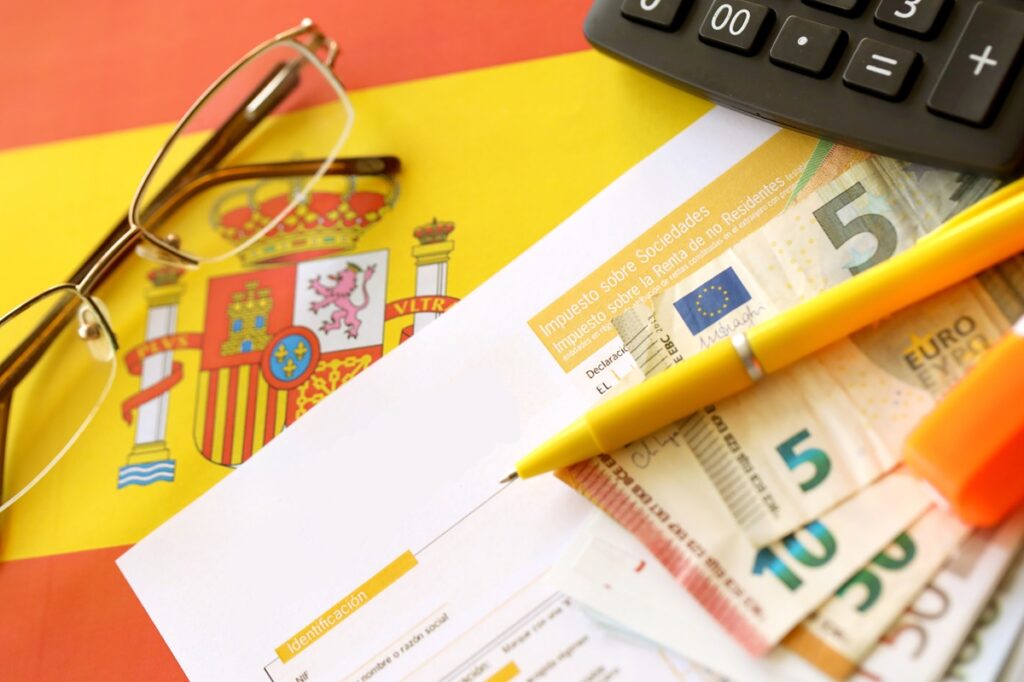
Tax reforms in Spain 2025 will impact expats, retirees and property owners. Credit : Mehaniq, Shutterstock
Living in Spain is a dream for many expats – sunshine, beaches, a slower pace of life. But when it comes to taxes, the dream can quickly feel like a maze of confusing forms, deadlines and rules that don’t look anything like what you’re used to back home.
This autumn, Spain is rolling out one of its biggest tax shake-ups in years, and if you’re an expat, retiree, or property owner, you’ll want to pay attention.
So, what exactly is changing, and how do these reforms affect you? Here’s a plain-English guide to the new rules, what they mean for your pocket, and how you can stay ahead without losing sleep.
Income tax: the new brackets explained
The first big change comes with personal income tax. Spain has always worked on a progressive system, but the brackets are being tightened. Now, anything up to €12,450 is taxed at 19 per cent, moving upwards in bands until you hit 47% on earnings over €300,000.
For savings, investments and dividends, higher earners will feel the pinch too. Gains over €300,000 will now be taxed at 30% instead of the previous 28 per cent. Below that, the 19–27 per cent range still applies.
And here’s the part that catches many foreigners out: if your total income is over €15,000 a year, you’re required to file a Spanish tax return. That means pensions from the UK, freelance earnings from clients abroad, or rental income from another country all need to be declared here.
Take Tom as an example. He’s a British teacher in Valencia earning €42,000 a year, plus €7,000 from a UK pension. Under the new rules, both incomes must go on his Spanish return. If his UK savings top €50,000, he’s also obliged to file the infamous Form 720 disclosing foreign assets. Missing this step could mean hefty penalties.
Good news for expats: Beckham Law and inheritance breaks
Not everything is doom and gloom. Spain’s famous Beckham Law, originally introduced to attract foreign footballers and professionals, still exists—and it’s been tweaked to make things easier. If you qualify, you can opt for a flat 24 per cent tax on Spanish income up to €600,000, while ignoring non-Spanish income altogether. That’s a big win if you have pensions, savings or rental properties abroad. Applications have also gone digital, speeding up the process.
There’s also a boost for families. Child tax credits have risen to €1,500 per dependent, and deductions for school fees, healthcare and mortgages remain in place. The key is paperwork – keep those receipts because Spain’s tax office increasingly demands digital proof.
Perhaps the biggest relief comes with inheritance tax. Regions like Andalusia, Madrid and Valencia are now offering up to €1 million tax-free per heir when assets are passed from parents, grandparents or spouses. In Catalonia or the Balearics, the threshold is lower at €650,000, but still generous compared to just a few years ago.
Picture Sarah, an American consultant in Barcelona. She earns €80,000 in Spain, but also has rental income in Boston. Thanks to the Beckham Law, she pays a flat 24 per cent on her Spanish salary, while her US income stays out of Spain’s reach. That kind of option can make a real difference to your finances.
Property, wealth and the pitfalls to watch
If you own property in Spain, you’ll need to be extra careful from this autumn. Rental income must be declared through new digital forms, and the tax agency is ramping up its monitoring. Non-resident landlords are also on the radar, with stricter reporting requirements and penalties for those who “forget” to declare.
Wealth tax remains in place for anyone with assets over €700,000, excluding your main home up to €300,000. Some regions offer relief for pensioners, but others, like Catalonia, still apply the full rates.
And then there’s the dreaded plusvalía municipal tax – the levy on property sales and gifts. It hasn’t gone anywhere, and in hotspots like Madrid, Marbella and Palma, it can swallow thousands from your sale profits.
Common mistakes expats make? Assuming that UK or US advice applies in Spain (it doesn’t), failing to declare worldwide income, and poor record-keeping. The Spanish tax office is pushing digitalisation hard, meaning you’ll often be asked for scanned receipts, bank statements and signed rental contracts. Deadlines are also strict: income tax returns are due by 30 June each year, with extensions rarely granted.
Plan now, save later
Spain’s 2025 tax reforms are complex, yes—but they’re not impossible. For expats, the key is to stay proactive. Know your deadlines, keep your documents tidy, and don’t be afraid to get local advice. The difference between stumbling into penalties and saving thousands often comes down to planning ahead.
The government’s goal is clear: raise revenue and level wealth gaps. For foreigners living here, that means both challenges and opportunities. If you qualify for Beckham Law or live in a region with generous inheritance relief, you could come out ahead. If you’re sitting on significant assets, you’ll need to be more strategic than ever.
Either way, Spain remains one of Europe’s most attractive destinations for expats. A little preparation on the financial side will help you enjoy the sunshine, the tapas and the lifestyle – without tax stress hanging over your head.
Stay tuned with Euro Weekly News for more news from Spain
Sign up for personalised news
Subscribe to our Euro Weekly News alerts to get the latest stories into your inbox!
By signing up, you will create a Euro Weekly News account if you don't already have one. Review our Privacy Policy for more information about our privacy practices.





Farah Mokrani
Farah is a journalist and content writer with over a decade of experience in both digital and print media. Originally from Tunisia and now based in Spain, she has covered current affairs, investigative reports, and long-form features for a range of international publications. At Euro Weekly News, Farah brings a global perspective to her reporting, contributing news and analysis informed by her editorial background and passion for clear, accurate storytelling.
Comments