All Souls’ Day: How Spain will honour the departed on November 2
By Natascha Rivera • Published: 01 Nov 2025 • 12:54 • 3 minutes read
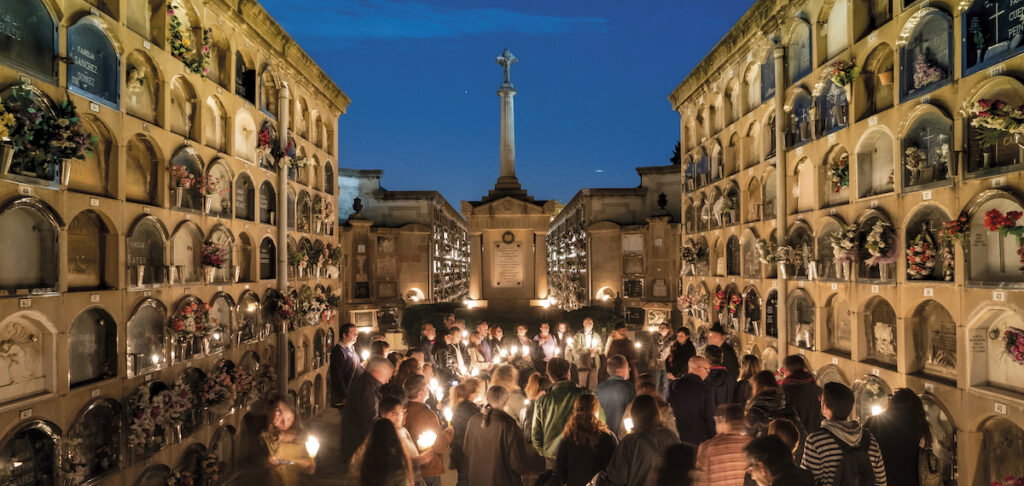
Spain marks All Souls’ Day with regional rituals and remembrance. Photo Credit: Barcelona City Hall
JUST off the heels of a hectic Halloween and a vibrant All Saints’ Day in Spain, another special holiday nears, also involving tradition, ceremonies, and celebrations of the otherworldly: the Día de los Difuntos will be celebrated in Spain on November 2, and special cultural and traditional celebrations will take place all across the country.
All Souls’ Day: A Spanish day to honour departed loved ones
The holiday, also known as All Souls’ Day, is connected to the widely-celebrated All Saints’ Day in Spain, typically celebrated on November 1 but varying throughout regions. All Souls’ Day in Spain also shares many characteristics with Halloween, a holiday of Celtic origin, and the Day of the Dead in Mexico, and all are often referred to interchangeably. However, Spain has its own customs, traditions, and history with the holiday, reflecting a distinctly Spanish blend of both cultural and spiritual significance.
All Souls’ Day commemorates the souls of the departed, dedicating to honouring their memories with ceremonies and celebrations, often involving visits to local cemeteries, candlelight vigils, masses, bonfires, and religious offerings. Sweets including buñuelos de viento (fried dough balls), the bones of the Saints (a marzipan dough filled with egg yolk or other fillings), and panellets (almond dough with pine nuts), are also an important part of the celebration in many different regions of Spain, in order to ‘sweeten’ the bitter loss of loved ones.
How each region celebrates All Souls’ Day
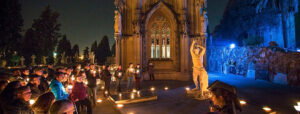
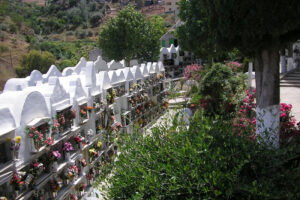
A Christian holiday, it is a day of prayer, remembrance, and faith, and will be celebrated in different ways across the country. In Andalucia, for example, the All Souls’ Day vigils are a well-established tradition and will be taking place in local towns all across the province. In rural areas, families will often gather on the evening of November 2 to spend the night in the cemetery, praying and sharing memories of their departed loved ones.
In Galicia, All Souls’ Day is more closely linked with the Santa Compaña, a procession of lost and wandering souls that roam villages and towns at night, reminding all its residents of the nearness of death.
Catalonia, in addition to the traditional masses and visits to cemeteries with candles, also celebrates November 2 with panellets (small, round cakes and cookies) and chestnuts, in order to ring in its Castañada and the chill of the autumn season. Castañada is also heavily linked to celebrations of the dead and honouring their memories.
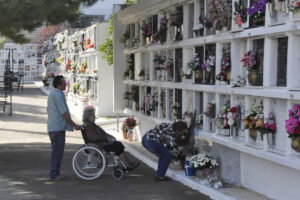
Spain celebrates the dead with festivities
Whereas the Mexican Day of the Dead is more closely associated with bombastic festivities, parades, parties, costumes, dancing, and music, All Souls’ Day in Spain is a more somber holiday dedicated to paying tribute to the dead through prayer.
However, different regions of Spain do also have their own twists on the more festive Day of the Dead and Halloween holidays, blending local customs and traditions with widespread, international, and long-standing ones. In Canarias, the Night of the Fianos is celebrated between October 31 and November 2, lighting up the region with bonfires, music, and dancing, paying tribute to the dead through parties and storytelling.
Galicia has its own version of Halloween, a holiday of Celtic origin celebrated on the night of October 31, called El Samaín. Also on October 31, Soria celebrates El Monte de las Ánimas, with giant puppets of monks, skeletons, and more walking through the city under the firelight.
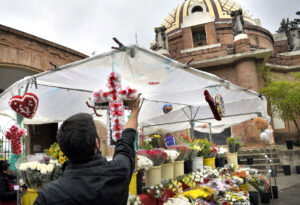
Cadiz celebrates Tosantos in the month of November, a carnival tradition with food markets, stalls, widespread decorations, contests, and festivities. It is the region’s version of All Saints’ Day.
Many different names, many different regions, one overarching theme
A time of remembrance, honour, and devotion, All Souls’ Day in Spain, though it is celebrated in different ways and under many different names, across the country and even internationally, unites locals with the common love of their deceased friends and family. It is a special day to pray over the souls of the departed, honour their memories, and protect and connect to them, even in the afterlife.
Read more Spanish Living articles here.
Sign up for personalised news
Subscribe to our Euro Weekly News alerts to get the latest stories into your inbox!
By signing up, you will create a Euro Weekly News account if you don't already have one. Review our Privacy Policy for more information about our privacy practices.

Natascha Rivera
Natascha is a Dominican writer based in Spain with a background in audiovisual and marketing communication. A lifelong reader and passionate storyteller, she brings a creative edge to her work at Euro Weekly News. Her multicultural perspective informs her coverage of lifestyle and community stories, offering fresh angles and relatable storytelling that connects with a diverse audience.
Comments