Spain’s cheaper housing hack: turning empty shops into homes
By Ion Axinescu • Published: 13 Nov 2025 • 14:16 • 2 minutes read
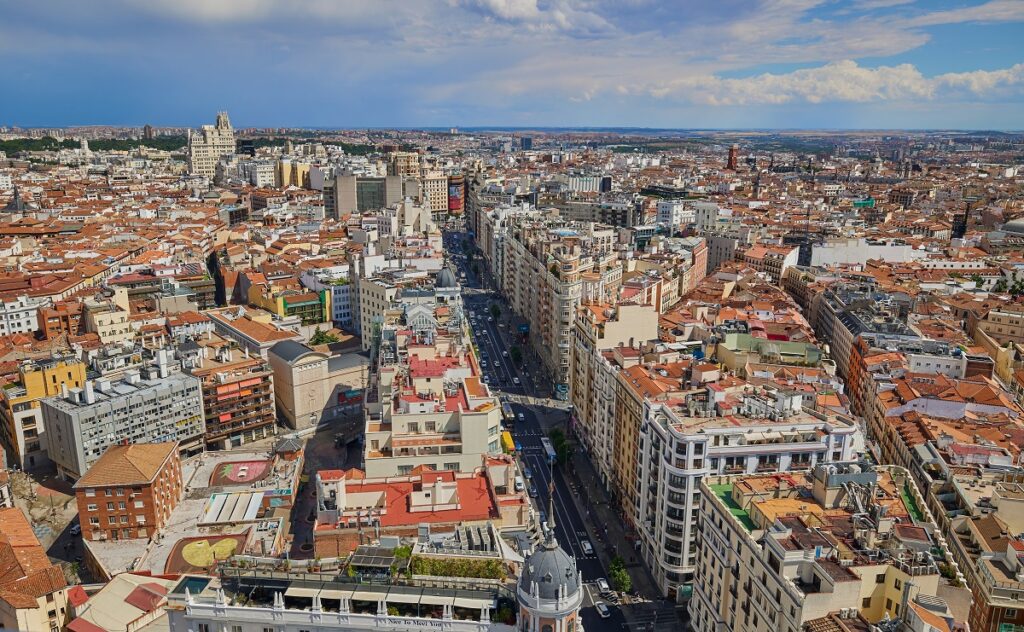
Spain’s cheaper housing hack: turning empty shops into homes. Credit: AnnaBaranova/Shutterstock
Spain has had an overheated housing market lately. The buyers worry about rising prices and lack of space, and in this hot climate, a quiet revolution is taking place.
Instead of building from zero, property watchers are seeing a sharp change: the conversion of offices, shops and commercial units into homes. And this strategy is becoming a popular response to both soaring demand and vacant buildings.
According to consultancy CBRE, more than 390,000 square metres of space began transformation in 2024 alone, with seventy formal “changes of use” recorded across Spain. The trend only gained momentum in the first half of 2025: over 137,000 square metres were converted in the period, a 4 per cent increase year-on-year.
So why is this happening now?
The first reason is the pressure on the residential market, which we all know. There are high prices and also low availability. And the second one, the commercial real-estate slump. Remote work, shifting retail habits and excess office space mean many commercial buildings sit half-empty or worse.
Experts say this mismatched supply and demand is exactly what’s driving the conversions. Big cities such as Madrid and Barcelona remain conversion hot-spots, but now second-tier regions like Andalusia are gaining traction. Cities like Malaga or Sevilla are offering more attractive land and, at the same time, lower costs for developers.
What’s in it for investors and buyers?
For investors, converting an underused commercial unit into housing can unlock value faster than new builds. Meantime, for buyers, especially those priced out of traditional market segments, these are golden opportunities to access properties that might otherwise not have existed.
Even though the term “cheaper housing” doesn’t always apply (you’re still paying for a conversion), this way it’s more cost-effective than starting from zero. But, be aware, caution is needed: each building is different. The transformation requires planning permission, building work and a change-of-use certificate.
There’s more than housing
And there’s something more. These conversions regenerate neighbourhoods. Old office blocks, deserted stores or desolate high streets get new life by shifting blight into vitality. In many Spanish cities, this is aligned with government policies to promote sustainable urban use and to reduce land consumption by building up rather than out.
It’s also helping ease the pressure on the standard residential market. With conversions, the overall stock of housing improves, giving buyers more options.
But there are still challenges
Permissions vary across Spain’s autonomous communities. In addition, structural and technical work can be hard and expensive. Also, some of these converted units still face higher running costs (insulation, access, air-conditioning) because they simply weren’t originally built for residential living.
And, while conversions can increase density and activity, they can pose questions of infrastructure, parking, and community cohesion in formerly commercial zones.
So what next?
If you’re thinking of buying or investing in Spain, you may consider this option. A converted local, shopfront or midtown office might now represent a serious entry into the housing market. But be quick, because, as always, things are moving fast. These conversions are no longer just niche, they’re quietly becoming a mainstream strategy.
Read here more articles about life in Spain.
Sign up for personalised news
Subscribe to our Euro Weekly News alerts to get the latest stories into your inbox!
By signing up, you will create a Euro Weekly News account if you don't already have one. Review our Privacy Policy for more information about our privacy practices.


Ion Axinescu
Ion is a journalist with over a decade of experience, including previous work for Vice Romania. Since relocating to Spain in 2022, he has brought a strong sense of place and curiosity to his work with Euro Weekly News. Passionate about football and enthusiastic about all aspects of Spanish culture, Ion covers local news, lifestyle, and cultural features—delivering engaging, accessible storytelling that connects with readers across communities.
Comments