Palma launches major preventative campaign against pine processionary caterpillars
By Lottie Verrier • Updated: 26 Nov 2025 • 9:33 • 2 minutes read
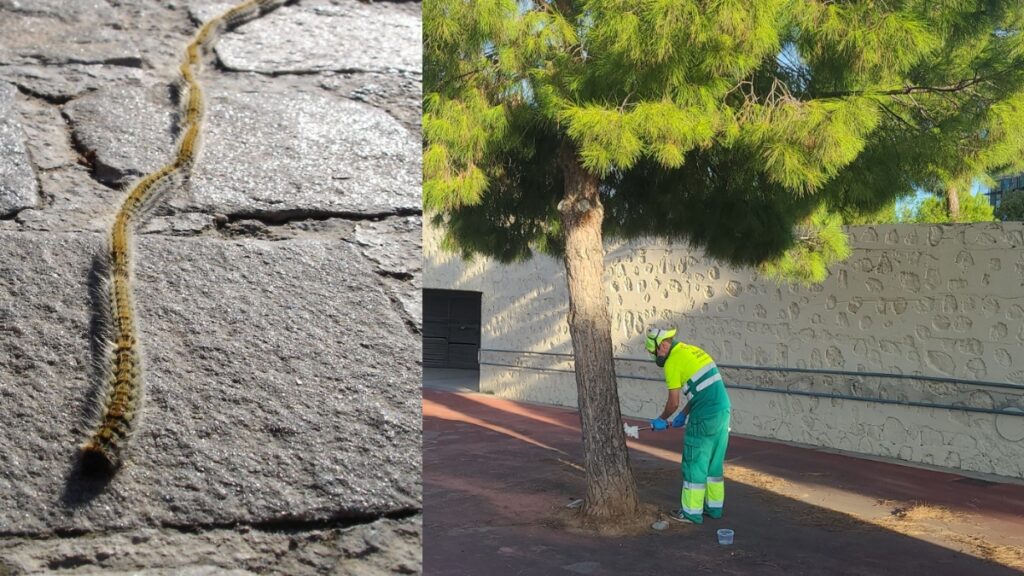
Harmful to kids and pets Credit: Wikipedia/ Ajuntament de Palma
Anyone who has spent time on the island will be familiar with the striking yet unsettling sight of the pine processionary caterpillar – long lines of larvae marching across pavements and parkland. While it is a curious natural spectacle, it carries hidden dangers for both people – especially young children – and pets.
The Palma City Council has now rolled out extensive preventative treatments across the city to curb the rise of the seasonal pest. The initiative, coordinated by the Department of Infrastructure, Accessibility and Industrial Estates, aims to minimise risks ahead of the caterpillar’s most active period between January and March.
Endotherapy treatments applied to 2,400 pine trees citywide
As part of this year’s campaign, municipal Parks and Gardens teams have carried out endotherapy treatments on more than 2,400 pine trees in Palma. This method involves injecting a targeted product directly into the tree trunk, allowing the substance to move through the tree’s natural sap flow. Once distributed throughout the pine, the treatment protects the tree and eliminates caterpillars when they feed on the needles.
The procedure has been deployed in parks, green zones, and several Infant and Primary Education Schools (CEIP), as well as in Bellver, one of the city’s most densely wooded areas. The council stresses that the work is preventative, forming the first line of defence before the caterpillars begin to descend from their nests during the cooler months.
Why the pine processionary caterpillar poses a risk in Mallorca
The pine processionary caterpillar – commonly seen moving in long nose-to-tail lines – thrives in the Mediterranean climate, making Mallorca particularly susceptible each winter. The species builds distinctive white silk nests in pine trees, where larvae develop before descending in search of soil to pupate.
For residents and expats living in Mallorca, the primary concern is the caterpillar’s urticating hairs, which can cause severe irritation to the skin, eyes, and respiratory system. Pets, especially dogs, face the greatest danger, as contact can lead to swelling, ulceration, or even necrosis. Young children are also at increased risk due to the caterpillar’s presence in public play areas and school grounds.
To reinforce safety, the City Council will complement endotherapy with additional measures throughout the winter, including the installation of collection collars designed to trap caterpillars as they descend the trunk, preventing them from reaching public paths and playgrounds.
With these combined efforts, Palma hopes to significantly reduce the presence of the pest during the coming months, safeguarding both its green spaces and the wellbeing of residents.
Sign up for personalised news
Subscribe to our Euro Weekly News alerts to get the latest stories into your inbox!
By signing up, you will create a Euro Weekly News account if you don't already have one. Review our Privacy Policy for more information about our privacy practices.





Lottie Verrier
Lottie Verrier is a journalist and digital media specialist based in Mallorca. After a decade in London media, including a role as Deputy Editor for the MailOnline’s eCommerce division, she now combines her editorial expertise with a passion for the island to create engaging content that celebrates the best of life in Spain. Instagram @lottieinmallorca
Comments