Energy alert: Spain braces for a stress test this winter
By Farah Mokrani • Updated: 02 Dec 2025 • 13:53 • 4 minutes read
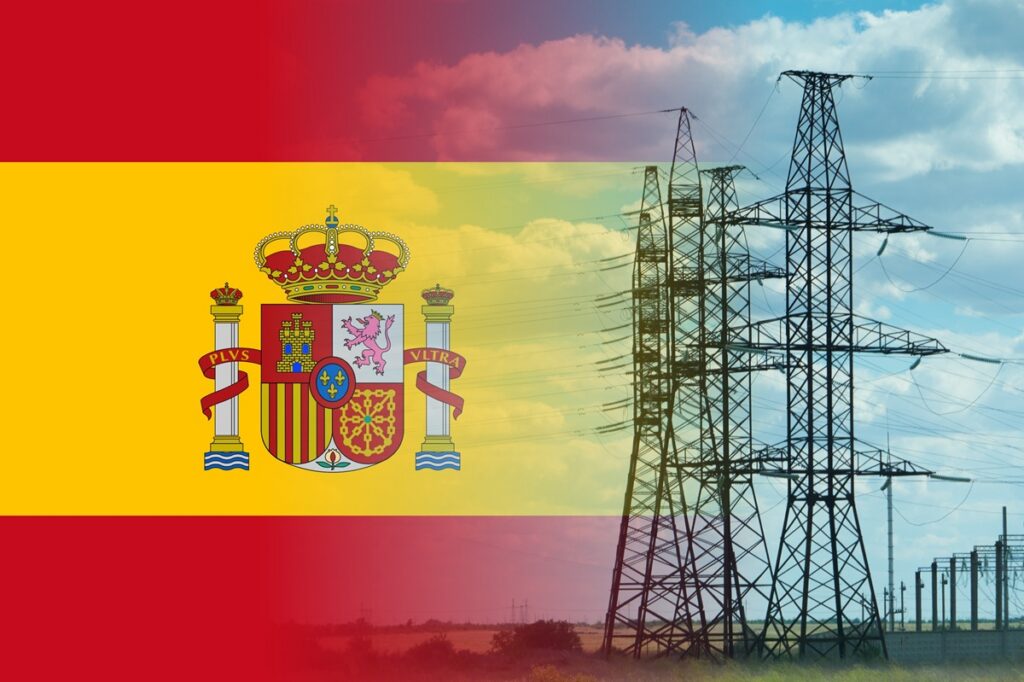
Spain faces warnings of possible electricity supply pressure this winter. Credit : Photo Veterok, Shutterstock
For the first time since European energy assessments began, Spain has been officially placed in a “moderate risk” category for electricity supply this winter, according to ENTSO-E, the body that coordinates the continent’s high-voltage grid.
It is a milestone no one wanted to reach – and it comes after a year already filled with warning signs for the Spanish power system.
Spain has never before appeared on the European risk list. Yet after months of rising demand, record heat and falling water reserves, experts are now openly acknowledging that the country is heading into winter with much less margin for comfort than in previous years.
Why Spain is on Europe’s watchlist
ENTSO-E points to a perfect mix of pressure points that could stretch the grid during the colder months.
First is demand. Electricity consumption in Spain has been climbing steadily as homes, businesses and industry become more reliant on electric-powered heating, cooling and transport. The shift towards electric vehicles, expanded industrial electrification and the explosion of digital services have all pushed demand upwards – levels that may rise even further during cold spells.
Then comes generation availability. Several thermal plants are scheduled for maintenance this winter, while some combined-cycle gas stations are dealing with extended technical issues. That reduces the volume of readily available backup power, even though Spain technically has one of the largest gas-fired fleets in Europe.
On top of that, the power system remains deeply weather-dependent. Solar and wind energy now provide a large share of Spain’s electricity – an achievement for green targets, but also a vulnerability. Long periods with low winds and weak sunlight, combined with strong demand caused by freezing temperatures, could leave the system under strain. Europe experienced similar ‘perfect storm’ events last winter.
Finally, perhaps the biggest concern: hydroelectric reserves have dropped sharply after an exceptionally dry and hot summer. Reservoirs stood at around 83 per cent full at the start of June, but fell to just 56 per cent by late September. Hydropower acts as Spain’s quickest stabiliser – when renewables dip, dams normally step in. With lower reserves than usual, that safety buffer has been thinned.
The Blackout that set off alarm bells
The European warning lands in the shadow of Spain’s 28 April blackout scare, when a sudden failure caused the loss of 2,300 megawatts of generation in minutes. Emergency reserves were activated to stabilise the system and avoid major cut-offs.
While the incident was quickly contained, it left a clear message for regulators: the Spanish grid is operating closer to its limits than many realised. No replacement technology currently exists that can cover the 7,400 megawatts if that power suddenly disappears – at least not without major reinforcements to storage, grid capacity and flexible gas backup.
A Brutal Summer Didn’t Help
This year’s record-breaking heat set the stage for what may now become a tense winter.
Spain experienced its hottest summer since records began in 1961, confirmed by the national weather agency Aemet. Between June and September, electricity demand rose 4 per cent compared with last year, including sharp surges in early summer when air-conditioning use soared.
The year’s highest peak came on 2 July, at the height of the second heatwave. Notably, demand climbed despite the expansion of rooftop solar installations – proof that cooling needs are outpacing household electricity generation, especially overnight when solar power drops out.
The drought-driven fall in reservoir levels was the second blow. By mid-October, water reserves hovered near 53 per cent, still above the long-term average but far below comfortable territory heading into winter when hydropower flexibility becomes crucial.
What Happens If Power Gets Tight?
Spain does have safety mechanisms. Red Eléctrica, the national grid operator, can activate the Active Demand Response Service, allowing temporary cutbacks to selected industrial and commercial users to stabilise the grid.
More than 1,148 megawatts of flexible demand have already been contracted for 2025. However, these tools are reserved for emergency moments only. Their use would indicate the system is under serious pressure – not a routine operating condition.
At the same time, combined-cycle gas plants – the quickest large-scale backup option when renewables fail – face overlapping outages or maintenance work between November and February, tightening the real-world supply cushion even if fuel stocks themselves are not in doubt.
The bigger picture: Demand is outrunning capacity
Beyond this winter, Spain’s biggest long-term headache is rising consumption. Electrification policies are working – but every success story increases baseline demand.
From electric cars and heat pumps to data centres and renewable-powered factories, electricity use is expanding across all sectors. The pace of infrastructure upgrades now needs to match this growth, particularly in storage capacity, grid connections and flexible generation.
Brussels’ warning is therefore more than a winter forecast. It is a signal that Spain’s energy transition has entered a critical phase, where grid stability must grow as fast as green ambitions.
A winter to watch closely
For now, the official risk remains “moderate”. No immediate blackouts are expected. But Spain enters the cold months with less breathing room than ever before.
If weather patterns stay favourable and renewable output remains steady, the winter could pass quietly. If cold snaps linger, winds weaken or new outages emerge, pressure on the grid could climb quickly.
After the blackout scare in April and the shock of this summer’s demand peaks, one thing is certain: Spain’s electricity system will be under its closest scrutiny yet as winter sets in – and the lights staying on may depend on the weather as much as the wires.
Stay tuned with Euro Weekly News for more news from Spain
Sign up for personalised news
Subscribe to our Euro Weekly News alerts to get the latest stories into your inbox!
By signing up, you will create a Euro Weekly News account if you don't already have one. Review our Privacy Policy for more information about our privacy practices.

Farah Mokrani
Farah is a journalist and content writer with over a decade of experience in both digital and print media. Originally from Tunisia and now based in Spain, she has covered current affairs, investigative reports, and long-form features for a range of international publications. At Euro Weekly News, Farah brings a global perspective to her reporting, contributing news and analysis informed by her editorial background and passion for clear, accurate storytelling.
Comments
Kurt Helmes
01 December 2025 • 20:17The official report from the Spanish government attributes the blackout to a complex, “multifactorial” failure of voltage control in the grid, not to the failure of a specific nuclear unit . Further, public reports and data indicate that nuclear power plants disconnected from the grid as a result of the system collapse, not as its initial trigger
Brian
02 December 2025 • 17:55So happy to live completely off-grid!
Comments are closed.