Spain hit as European TV fiction production plunges
By Natascha Rivera • Published: 02 Dec 2025 • 19:20 • 3 minutes read
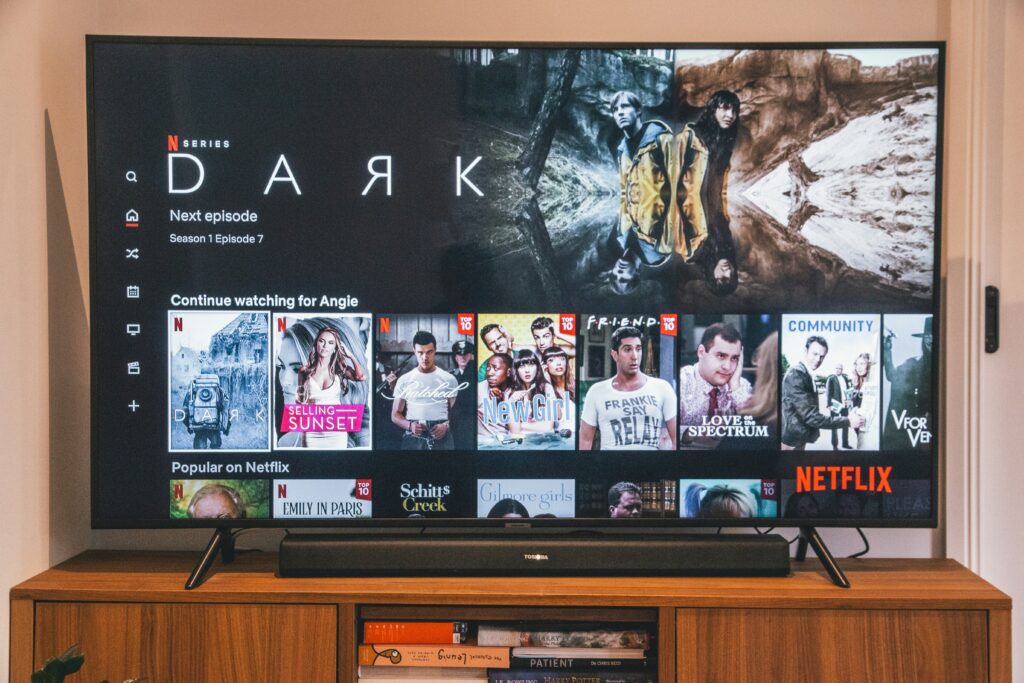
European TV fiction slump threatens Spain’s production growth and creative jobs. Photo Credit: Marques Kaspbrak / Unsplash
A NEW report published by the European Audiovisual Observatory, part of the Council of Europe in Strasbourg, France, finds that there has been a marked decline in TV fiction production across Europe as a whole in 2024. The report, which analysed the volume of TV and Subscription Video on Demand including Netflix, Hulu, and Amazon Prime, found that it has been the second consecutive year for the decline, due to a cutdown on commissioning by streaming companies.
Europe-wide stalling of fiction production
The report, titled Audiovisual fiction production in Europe – 2015-2024, analysed the audiovisual output of the 27 member states of the European Union, the UK, Norway, and Switzerland. The report found that the number of fiction titles produced fell 5 per cent year-on-year, with a 3 per cent drop in quantity of episodes and a flat volume of hours. This is a direct result of a significant drop of commissioning by streaming companies, which are the growth engine of fiction production, with a whopping 7 per cent drop. The number of fiction titles commissioned by streamers has been steadily declining since 2023.
By contrast, in 2024, more than half (to be exact, 56 per cent) of all fiction titles produced in Europe were commissioned by public service broadcasters, followed by private broadcasters, at 30 per cent, and global streamers, at 14 per cent.
On average, more than 1,200 titles, 23,000 episodes, and 14,000 hours of fiction content are produced in Europe each year, including series and films, though animation is excluded. More than 2,000 production companies produced at least one fiction title between the years 2015 and 2024, but only 3 per cent of these did so every year for the last 10 years. First seasons of series accounted for more than half, or 54 per cent, of all seasons produced each year, representing a high turnover rate and poor longevity of series.
Notwithstanding, some aspects of TV fiction production in Europe remained unchanged; telenovelas and soap operas accounted for the majority of hours produced, at 60 per cent of the production rate. More than half, 52 per cent, of the titles produced were series with 13 episodes or fewer per season.
The UK and Spain: Top leaders in fiction production
Germany, Greece, and Poland were the top leaders in terms of volume of hours produced, with a high output of telenovelas and soap operas. Spain, the UK, France, and Portugal followed suit, also producing large quantities of these fiction works. The UK in particular is the leading producer of series with 13 episodes or fewer per season, beating out France, Germany, Spain and Italy.
Nearly half (48 per cent) of all TV fiction commissioned by streamers were produced in three countries: Spain leading the board at 17 per cent; the UK trailing just behind at 16 per cent, and Poland with 15 per cent. These are the countries that have benefited the most from the streaming companies’ investments.
Co-productions accounted for 9 per cent of all European TV fiction, with more than 100 co-produced titles a year, made up almost entirely of high-end series and TV films.
The top producers of TV fiction titles in 2024 included ARD, RTL Group, Banijay Group, the Mediawan-Leonine Alliance, and ZDF, according to the report.
What the fiction freeze could mean for Spain
These figures could impact the Spanish population, including expatriates, in a number of ways. First of all, the smaller output of commissioned Spanish audiovisual productions simply means fewer series to watch. It also means less variety in the series available, especially in genres where Spain’s audiovisual sphere dominates, including thrillers, teen dramas, and prestige dramas. Some expatriates who use Spanish television as a tool to learn the language and assimilate into the culture may find that their options of available dramas and series have dwindled in recent years.
The news also impacts Spain’s labour market in the audiovisual departments. Workers in film and TV production, sound design, editing, VFX, location management departments, and various freelance creative sectors could all find themselves impacted by the downturn in commissions. Since many people working in film are registered as self-employed, or autónomos, and therefore are not employed with any one company that gives them a certain amount of stability, the number of projects available to them – and therefore, their livelihoods – could be directly impacted by the lack of commissions.
Moreover, certain areas in Spain have become filming hotspots and will be directly impacted by the dwindling of streaming commissions, including Madrid, Barcelona, the Canary Islands, Valencia, and Andalucia. The stalling of commissions means less temporary local employment, fewer short-term rentals by film crews, and less overall spending on catering, drivers, hospitality, and transport.
Bottom line for Spain’s audiovisual industry
Though the cooldown does not spell disaster for Spain’s booming audiovisual industry, it is bound to be impacted, as the country is one of the top producers for audiovisual fiction content in Europe. This information is important to know for those closely monitoring the audiovisual sector, and especially those working in it, as there may be fewer job opportunities in the future if the decline continues.
Read more European news here.
Follow Euro Weekly News on Google News
Get breaking news from Spain, travel updates, and expat stories directly on your Google News feed.
Follow on Google NewsSign up for personalised news
Subscribe to our Euro Weekly News alerts to get the latest stories into your inbox!
By signing up, you will create a Euro Weekly News account if you don't already have one. Review our Privacy Policy for more information about our privacy practices.



Natascha Rivera
Natascha is a Dominican writer based in Spain with a background in audiovisual and marketing communication. A lifelong reader and passionate storyteller, she brings a creative edge to her work at Euro Weekly News. Her multicultural perspective informs her coverage of lifestyle and community stories, offering fresh angles and relatable storytelling that connects with a diverse audience.
Comments