Cataluña labs under investigation after African swine fever outbreak
By Molly Grace • Updated: 18 Dec 2025 • 20:02 • 3 minutes read
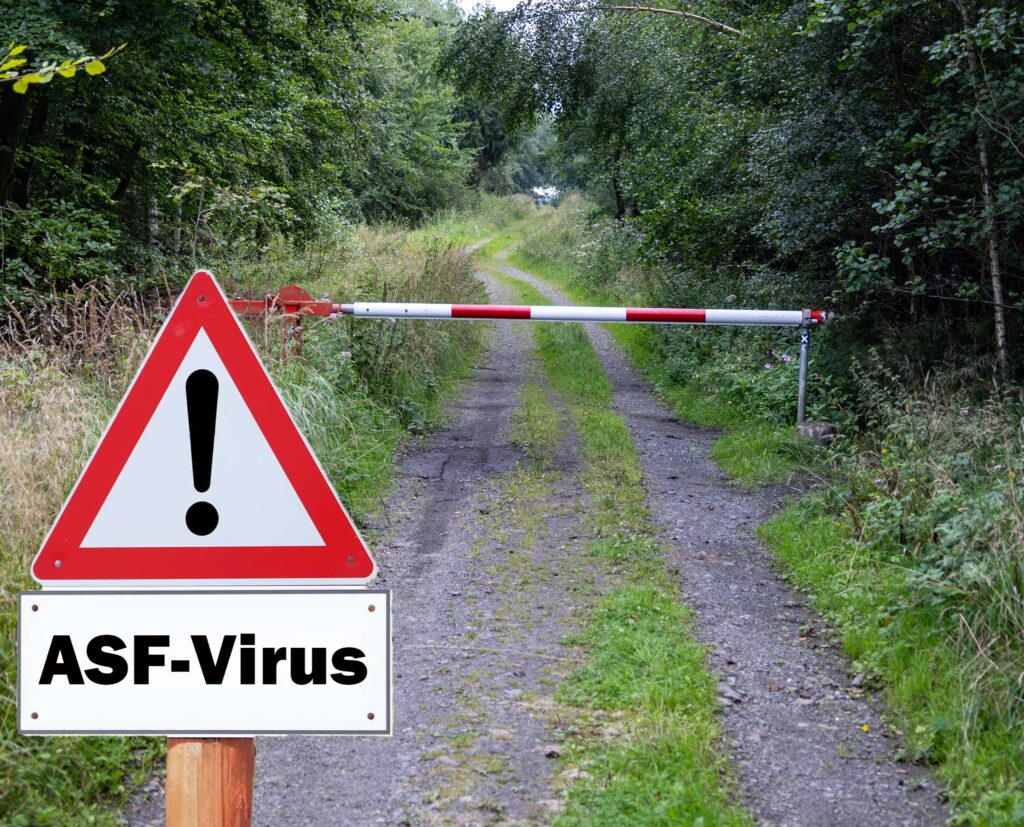
Genetic sequencing of the virus detected in the outbreak suggests it resembles strains used in experimental research. Photo credit: MiSchu/Shutterstock
Catalan and Spanish authorities have conducted a court-ordered search of the IRTA-CReSA animal health research laboratory in Bellaterra, near Barcelona, following the outbreak in November of African swine fever (ASF) in the region. The search was carried out under judicial mandate from the Juzgado de Instrucción nº 2 of Cerdanyola del Vallès, with officers from the Mossos d’Esquadra and Guardia Civil. Judicial proceedings were declared secret due to the sensitive nature of the investigation.
ASF is a highly contagious disease affecting pigs and wild boar but does not infect humans. The virus can cause near-100 % mortality in infected swine, prompting swift action to protect livestock and prevent spread across Spain, one of Europe’s largest pork-producing regions.
Outbreak and Laboratory Proximity
First Cases and Local Response
The outbreak was initially detected when infected wild boar carcasses were found near the IRTA-CReSA laboratory in the Collserola hills in late November. At least 26 carcasses have tested positive for ASF within the containment zone surrounding the laboratory.
In response, authorities imposed movement restrictions on both domestic pigs and wildlife, alongside active monitoring protocols. The aim is to limit further spread among wild boar and prevent contamination of commercial pig farms. Authorities also noted that other animal research centres in the area, five facilities within 20 kilometres, are being reviewed to assess biosecurity compliance and potential links to the outbreak.
Investigative Focus and Genetic Analysis
Scrutiny of Virus Strain and Laboratory Links
Genetic sequencing of the virus detected in the outbreak suggests it resembles strains used in experimental research, rather than naturally circulating European variants. This finding has intensified the investigation at IRTA-CReSA and prompted audits of biosecurity protocols at nearby laboratories. Judicial authorities emphasise that all hypotheses remain under review, including accidental release, environmental contamination, and wildlife transmission. The ongoing investigation is conducted with strict adherence to high-security laboratory protocols to ensure safety.
Official Statements and Secrecy
Judicial and Agency Responses
Details of the investigation remain under judicial seal, due to the sensitivity of both ASF containment and high-security laboratory research. The Mossos d’Esquadra and Guardia Civil confirmed that the search complied with official safety protocols for handling infectious disease laboratories.
IRTA-CReSA has not publicly commented on the court-ordered search but has previously stated its full compliance with biosecurity standards. Authorities insist that no definitive cause has been confirmed and the investigation is ongoing.
Control Measures and Sector Impact
Containment and Monitoring
Authorities continue to enforce perimeter controls around affected areas and monitor wild boar populations. Commercial pig farms are under biosecurity scrutiny, and veterinary teams are cooperating with EU reference laboratories to trace and contain the outbreak. Containment measures are combined with genetic studies to ensure early detection of any further ASF spread. Officials highlight that all investigations are precautionary, and laboratory operations follow strict safety regulations.
Key Facts
- Laboratory under investigation: IRTA-CReSA, Bellaterra, Barcelona.
- Judicial authority: Juzgado de Instrucción nº 2, Cerdanyola del Vallès.
- Authorities conducting search: Mossos d’Esquadra and Guardia Civil.
- Nature of disease: African swine fever affects pigs and wild boar, no risk to humans, high mortality in swine.
- Initial detection: Infected wild boar carcasses in late November, 26 confirmed cases.
- Genetic analysis: Virus strain similar to experimental research variants.
- Nearby facilities: Five additional animal research centres under review.
- Biosecurity: Court-ordered searches conducted under high-security lab protocols.
- Sector impact: ASF threatens Spain’s pork industry; movement restrictions and monitoring in place.
- Current status: Investigation ongoing; multiple hypotheses remain; no confirmed link between outbreak and lab.
- Next steps: Continued genetic analysis, biosecurity audits, and monitoring of wild and domestic pigs; proceedings remain under judicial secrecy.
Authorities emphasise that the investigation remains precautionary and ongoing, with judicial secrecy protecting both laboratory operations and public safety. Biosecurity audits and perimeter monitoring aim to prevent further ASF spread while investigations continue. For the pork sector, continued vigilance is necessary to safeguard both domestic production and wildlife populations, while authorities coordinate with regional and EU-level agencies to manage potential risks.
Sign up for personalised news
Subscribe to our Euro Weekly News alerts to get the latest stories into your inbox!
By signing up, you will create a Euro Weekly News account if you don't already have one. Review our Privacy Policy for more information about our privacy practices.





Molly Grace
Molly is a British journalist and author who has lived in Spain for over 25 years. With a background in animal welfare, equestrian science, and veterinary nursing, she brings curiosity, humour, and a sharp investigative eye to her work. At Euro Weekly News, Molly explores the intersections of nature, culture, and community - drawing on her deep local knowledge and passion for stories that reflect life in Spain from the ground up.
Comments