Paying cash in Europe? A new EU rule is about to change everything
By Farah Mokrani • Published: 03 Feb 2026 • 7:29 • 3 minutes read
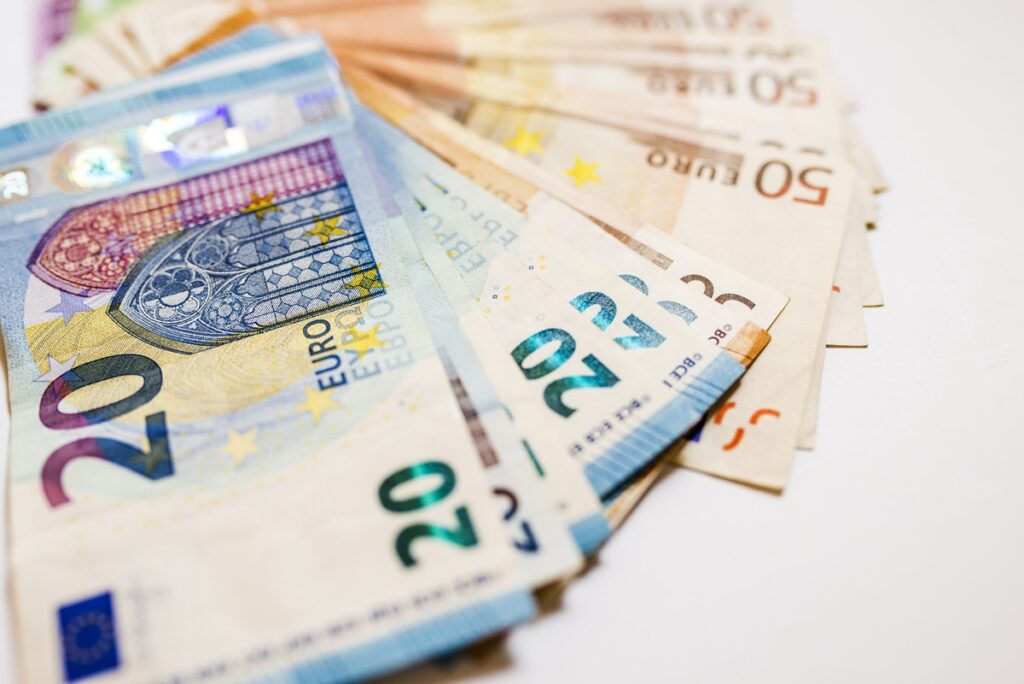
From 2027, cash payments over €10,000 will be banned across the EU Credit : Dragana Gordic, Shutterstock
Cash has always felt untouchable. Reliable. Anonymous. For many Europeans, it’s still the go-to way to pay for big purchases, from cars to home improvements. But that long-standing habit is about to hit a very real wall.
From 2027, the European Union will introduce a single cash payment limit across all member states, and it will change how large purchases are made – whether people are ready or not.
The rule is simple on paper: no cash payment above €10,000 will be allowed anywhere in the EU. But the implications are far bigger than they might first appear.
A new rule that applies to every EU country
The change comes from a new EU regulation aimed at cracking down on money laundering, tax evasion and large untraceable transactions. Once it comes into force, anyone trying to pay more than €10,000 in cash will have to switch to a traceable method – such as a bank transfer or card payment.
It won’t matter whether the purchase is made in Spain, Germany, Italy or the Netherlands. The cap will be the same everywhere.
This marks the first time the EU has imposed a shared cash limit across all 27 countries, replacing the current patchwork of national rules that vary wildly from one border to the next.
Some countries are already used to this – others aren’t
For some EU countries, this will barely register. Spain, for example, already has one of the strictest systems in Europe. Cash payments above €1,000 are banned when one party is a business or professional, and that rule has been in place for several years.
France and Italy also enforce relatively tight controls, meaning most large purchases are already handled electronically.
But elsewhere, the shift will be far more noticeable. Germany, Austria and the Netherlands have long resisted cash limits, arguing that paying in cash is a matter of privacy and personal freedom. In those countries, paying tens of thousands of euros in banknotes has not been unusual.
That will no longer be possible once the EU rule takes effect. Whether they like it or not, those countries will have to adapt their laws to comply – or face sanctions.
Why Brussels is drawing the line now
According to EU officials, the reasoning is straightforward: large cash transactions leave no digital footprint. That makes them attractive for hiding income, avoiding taxes or moving illegal funds.
By introducing a common limit, the EU wants to stop criminals from exploiting differences between national systems – paying cash in one country simply because the rules are looser there.
Brussels insists the aim is not to eliminate cash altogether, but to restrict its use in high-risk transactions. Everyday payments – groceries, meals, small services – will remain unaffected.
Still, critics argue the move chips away at financial privacy and nudges citizens further towards an entirely digital economy, whether they want it or not.
What this means in real life
For most people, the change won’t affect daily spending. But it will matter for anyone planning a major purchase.
Buying a car, expensive jewellery, artwork, or paying for large renovation work? From 2027, cash simply won’t be an option above €10,000 – anywhere in the EU.
This also applies to expats and non-residents. Some countries currently allow higher cash limits for foreign buyers, but those exceptions will gradually disappear once the EU-wide cap becomes law.
In other words, cash won’t vanish overnight – but its role will shrink dramatically when it comes to big-ticket items.
A quiet shift with long-term consequences
What makes this change unusual is how quietly it’s happening. There’s no dramatic announcement, no immediate disruption. Yet it represents a significant step towards a more controlled, traceable financial system across Europe.
Supporters see it as a necessary tool to fight crime and ensure fairness. Critics see it as another limit on personal freedom.
Either way, by 2027, cash will no longer be the free, unlimited option it once was – and anyone relying on it for major purchases will need to rethink how they pay.
Stay tuned with Euro Weekly News for more news from Spain
Follow Euro Weekly News on Google News
Get breaking news from Spain, travel updates, and expat stories directly on your Google News feed.
Follow on Google NewsSign up for personalised news
Subscribe to our Euro Weekly News alerts to get the latest stories into your inbox!
By signing up, you will create a Euro Weekly News account if you don't already have one. Review our Privacy Policy for more information about our privacy practices.




Farah Mokrani
Farah is a journalist and content writer with over a decade of experience in both digital and print media. Originally from Tunisia and now based in Spain, she has covered current affairs, investigative reports, and long-form features for a range of international publications. At Euro Weekly News, Farah brings a global perspective to her reporting, contributing news and analysis informed by her editorial background and passion for clear, accurate storytelling.
Comments
Lee
03 February 2026 • 09:59so many rules from the utterly corrupt brussels
Hugo Voig
04 February 2026 • 15:33While the corrupt leaders in Brussels take bribes left right and center they don´t want the little people getting the same privilege. This has nothing to do with corruption this is about controlling the little people step by step, it is about digital banking, it is about control. But no one in Europe are asking for all these rules that are against their freedoms. But the EU don´t care they are trying hard to remove all democratic rights because they believe only they how to rule the unwashed masses. Wake up people. They have no right to bring in all these undemocratic rules against the people of Europe. We have to start fighting back and soon because soon we will be once more just a serf and a slave to the EU leaders.
Brian
04 February 2026 • 16:04Can’t see that sort of limit affecting me too often!
Philip
04 February 2026 • 21:01As it says in the article, it is all about control.
Comments are closed.