Semana Santa 2026 Spain. Dates, days off and regional holiday breakdown.
By Farah Mokrani • Updated: 13 Mar 2026 • 10:39 • 4 minutes read
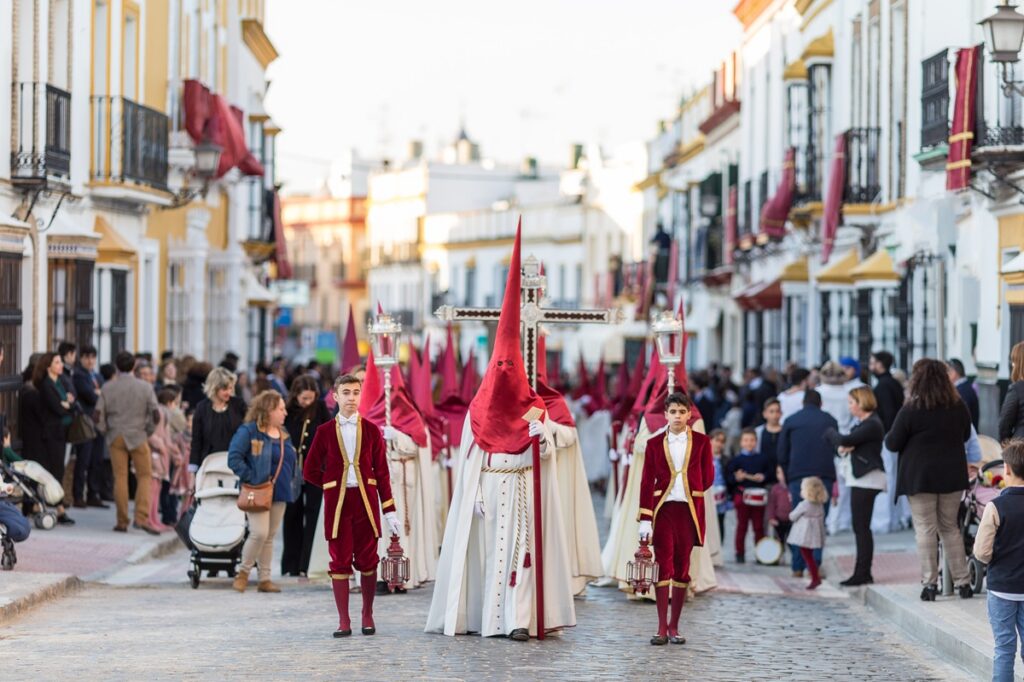
Traditional Semana Santa procession in Spain as Easter 2026 dates approach. Credit : Jose Manuel Gavira, Shutterstock
For many people living in Spain, Semana Santa is the first real opportunity of the year to slow down, travel a bit or simply enjoy a few days without alarms and deadlines. And with the 2026 dates now clear, it’s the perfect moment to start planning.
Whether you’re drawn to the traditional processions, hoping for a city escape, or just counting on a long weekend to recharge, Easter remains one of the most anticipated moments in Spain’s calendar. The only catch? The dates change every year – and in 2026, Semana Santa arrives slightly earlier than some might expect.
When Semana Santa 2026 takes place – and why the dates move every year
Unlike fixed public holidays, Easter doesn’t follow the standard calendar. Instead, its timing is linked to the lunar cycle and the liturgical calendar. In simple terms, Easter Sunday falls on the first Sunday after the first full moon following the spring equinox.
That might sound complicated, but the result for 2026 is straightforward: Semana Santa will run from Sunday 29 March to Sunday 5 April. That places the celebrations right on the edge of March and April, bringing with them longer days and generally milder weather – ideal conditions for travelling or spending more time outdoors.
Here are the key dates to note:
Palm Sunday: 29 March 2026
Maundy Thursday: 2 April 2026
Good Friday: 3 April 2026
Easter Sunday: 5 April 2026
Easter Monday: 6 April 2026 (holiday in some regions)
Because of this timing, many people will find themselves planning spring trips earlier than usual, especially as Semana Santa often marks the unofficial start of the travel season across Spain.
Which Easter days are public holidays across Spain – and which depend on where you live
One of the most common questions every year is simple: how many days off do I actually get? The answer depends heavily on your region.
There is only one Easter holiday guaranteed everywhere in Spain: Good Friday (3 April 2026). This is a nationwide public holiday and workplaces across the country close.
Maundy Thursday (2 April), however, is celebrated in most – but not all – autonomous communities. Regions including Andalucía, Madrid, Galicia, Aragón, Asturias, the Canary Islands, Murcia, Castilla y León and several others observe it as a public holiday, which for many workers creates a four-day break from Thursday to Sunday.
Then comes Easter Monday (6 April), which is far more regional. Communities such as Catalonia, the Valencian Community, the Balearic Islands, Navarra, the Basque Country, La Rioja and Castilla-La Mancha recognise it as a holiday, extending the long weekend even further.
A few regions – including the Balearic Islands, Navarra, the Basque Country, La Rioja and Castilla-La Mancha – enjoy both Maundy Thursday and Easter Monday off. For residents there, Semana Santa can easily turn into a proper extended break without needing to take extra leave.
Why Semana Santa is one of Spain’s busiest travel periods
Even for those who don’t follow the religious traditions, Semana Santa has become one of the most popular travel windows of the year. The combination of public holidays, improving weather and the feeling of spring arriving makes it a natural moment to get away.
Cities famous for their processions – particularly in Andalucía – see a surge in visitors, while coastal destinations begin to feel the first wave of the summer season. Rural tourism also benefits, with many people opting for countryside escapes, hiking trips or quiet village stays.
Flights and accommodation prices tend to climb quickly once the dates approach, especially in regions where long weekends are guaranteed. That’s why many residents start checking calendars and booking plans months in advance, even if the trip is only a few days long.
For families, Semana Santa often becomes the first opportunity of the year to travel together without the crowds and extreme heat of summer. For others, it’s simply a welcome pause after the early months of the year, which can feel long and busy.
Tips to make the most of Semana Santa 2026
If you’re hoping to turn the holiday into a proper getaway, the key is understanding your regional calendar early. Knowing whether you have Maundy Thursday, Easter Monday or both can make a big difference when planning travel or requesting annual leave.
Many people also use strategic leave days to extend the break. Taking just a couple of extra days off can transform a long weekend into nearly a full week away, particularly in regions that already benefit from multiple holidays.
It’s also worth considering the type of experience you want. If you’re interested in cultural events and processions, larger cities will offer unforgettable atmospheres – though they also bring crowds and higher prices. If relaxation is the priority, smaller towns and rural destinations often provide a calmer alternative.
And of course, not every plan needs to involve travel. For many residents, Semana Santa is simply about slowing down, spending time with family, enjoying local traditions or making the most of spring weather close to home.
With Semana Santa 2026 now clearly mapped out, one thing is certain: whether you travel far, stay local or just enjoy the extra rest, those early spring days are likely to be among the most welcome breaks of the year.
Sign up for personalised news
Subscribe to our Euro Weekly News alerts to get the latest stories into your inbox!
By signing up, you will create a Euro Weekly News account if you don't already have one. Review our Privacy Policy for more information about our privacy practices.



Farah Mokrani
Farah is a journalist and content writer with over a decade of experience in both digital and print media. Originally from Tunisia and now based in Spain, she has covered current affairs, investigative reports, and long-form features for a range of international publications. At Euro Weekly News, Farah brings a global perspective to her reporting, contributing news and analysis informed by her editorial background and passion for clear, accurate storytelling.
Comments