Spain to pardon 53 women imprisoned under Franco regime
By Molly Grace • Published: 10 Mar 2026 • 22:59 • 4 minutes read
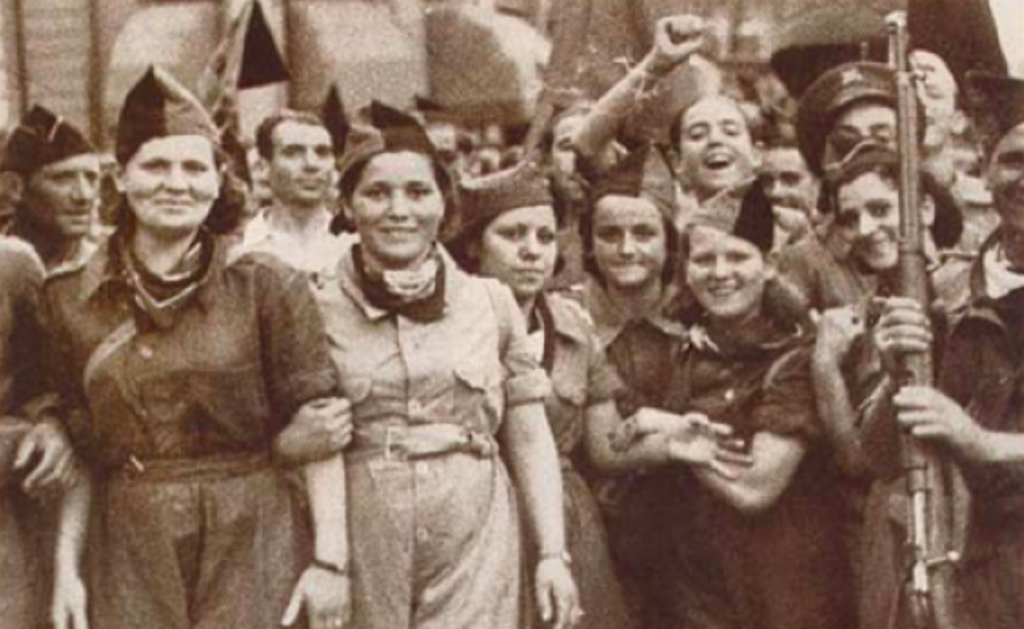
Decades of silence and stigma surrounded these centres, partly because survivors were reluctant to speak publicly about their experiences. Wikipedia CC
Spain has announced it will formally pardon 53 women who were imprisoned under Franco’s dictatorship for “moral” or ideological reasons, a move aimed at recognising their suffering and officially acknowledging them as victims of Francoist repression. The decision affects survivors of institutions that detained young women for behaviour deemed socially unacceptable during and after the Spanish Civil War. It matters now because it represents a symbolic act of restitution under Spain’s Memory Law, decades after the dictatorship ended.
What the pardon and ceremony will involve
The Spanish government has scheduled a ceremony on March 20 in Madrid in which 53 women will receive documents from the Ministry of Democratic Memory recognising them as victims of the Franco regime. These women were incarcerated as adolescents or young adults by the Board for the Protection of Women (Patronato de Protección a la Mujer), a network of reform institutions that operated under Franco and was largely run by Catholic religious orders.
Originally founded in 1902 to suppress prostitution, the board’s powers were expanded under Franco after the end of the civil war in 1939. By 1941, it was widely used to confine girls and young women considered “fallen, immoral or in danger of falling”, sometimes for reasons as trivial as being “too fond of the street” or even discussing sexuality.
Although the institution existed before and during the dictatorship, it continued operating until 1985, ten years after Franco’s death.
According to the ministry, any administrative or legal penalties these women suffered will now be declared “null and void”, because they resulted from repression rooted in political, ideological or gender discrimination.
What these means in the current day
For many Spaniards, this pardon is more than a symbolic gesture; it highlights long‑standing debates around historical memory, justice and how the Franco era is remembered. The institutions that imprisoned these women were part of a broader social system that sought to control female behaviour and enforce stringent moral norms under the dictatorship.
Decades of silence and stigma surrounded these centres, partly because survivors were reluctant to speak publicly about their experiences, and partly because ordinary citizens often supported or accepted denunciations that led to confinement. Historian Carmen Guillén has described how the board relied on broad public complicity, with families and neighbours reporting women to authorities based on gendered expectations of “good” and “bad” behaviour.
Although the pardon specifically concerns 53 women, more than 1,600 testimonies have been submitted to the government department established in 2025 to investigate the board’s legacy. This suggests that many more women were affected by policies that conflated moral policing with state power.
What survivors and advocates are saying
While the state’s pardon is intended as recognition of injustice, some survivors and their advocates argue that it is not enough on its own. Women who lived through these institutions have called for broader forms of truth, justice and reparations, rather than what they see as a symbolic act divorced from material accountability.
Religious organisations that operated many of these reformatories have offered apologies in recent years, but survivor representatives have criticised those gestures as insufficient, calling instead for full acknowledgment of the harms and institutional responsibility.
How this fits into Spain’s Memory Law framework
This pardon is part of Spain’s evolving effort to address historical injustices under the Law of Democratic Memory, passed in 2022 and implemented in subsequent years to recognise and provide restitution for victims of civil war and dictatorship. The law has been used in recent months to formally recognise other victims of Francoist repression, including people who were unjustly executed or punished.
Spain’s approach to historical memory has been shaped by decades of legal and political debate, including the 1977 Amnesty Law, which provided broad legal immunity for acts committed during Franco’s rule but has been criticised for limiting judicial accountability for human rights violations.
While the Amnesty Law remains in force, the Memory Law seeks to provide alternative avenues for recognition and symbolic restitution without reopening criminal prosecutions. This recent pardon signals a continued willingness by the government to use that legal framework to acknowledge past abuses.
A broader history of repression
The board that confined these women was just one of several mechanisms the Franco regime used to enforce strict social controls, particularly over women’s lives. Laws such as the Ley de Vagos y Maleantes and the Franco‑era penal code criminalised behaviour that changed little from conservative norms of the time, leading to widespread repression of gender and sexual expression.
Historians note that the legacy of these policies persisted well into Spain’s democratic period, in part because social attitudes and institutional practices lagged behind legal reforms. A growing body of research explores the historiography of female repression and gendered violence under the dictatorship, helping to frame contemporary debates about how to remember and redress these injustices.
What’s next
The upcoming ceremony on March 20 will mark the first time these women have been publicly recognised by the Spanish state as victims of Francoist repression for their incarceration under morality laws. It may also prompt further scrutiny and public debate about the experiences of thousands more who passed through similar institutions.
Meanwhile, scholars and campaigners are pushing for broader historical inquiry and educational efforts to ensure these episodes become part of Spain’s collective understanding of its 20th‑century past. For survivors, the pardon may be a milestone, but many see it as just one step on a longer road toward truth and justice.
Sign up for personalised news
Subscribe to our Euro Weekly News alerts to get the latest stories into your inbox!
By signing up, you will create a Euro Weekly News account if you don't already have one. Review our Privacy Policy for more information about our privacy practices.





Molly Grace
Molly is a British journalist and author who has lived in Spain for over 25 years. With a background in animal welfare, equestrian science, and veterinary nursing, she brings curiosity, humour, and a sharp investigative eye to her work. At Euro Weekly News, Molly explores the intersections of nature, culture, and community - drawing on her deep local knowledge and passion for stories that reflect life in Spain from the ground up.
Comments