Spain’s water levels hit highest point in years: What it means for residents on the Costa del Sol
By Tara Russell • Updated: 10 Mar 2026 • 18:19 • 4 minutes read
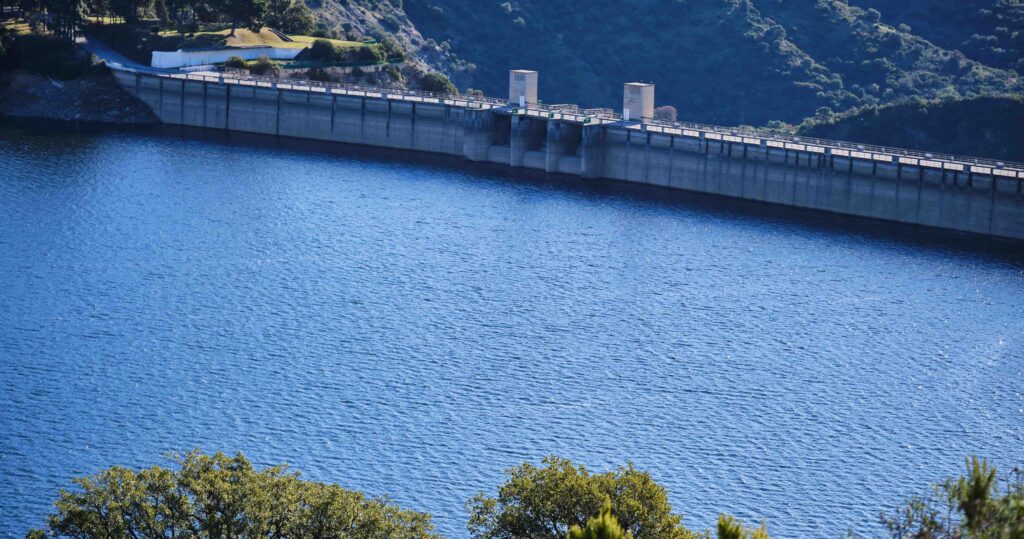
La Concepción Reservoir, also known as El Ángel Reservoir, on the Verde River between Marbella and Istán, Costa del Sol, Málaga province, Andalusia, Spain. Credit: Shutterstock / Robalito.
Spain has entered 2026 with one of the strongest reservoir levels seen in years, bringing relief after a prolonged period of drought that worried residents, farmers and tourism businesses across the country. For British residents living along the Costa del Sol and Costa Blanca, as well as visitors planning holidays this year, the rise in water reserves makes fears of summer shortages and restrictions unlikely.
Heavy winter rainfall across much of the country has dramatically improved Spain’s water reserves. The national reservoir network now holds around 46,000 cubic hectometres of water, placing the country comfortably above levels recorded in recent drought years and ahead of the ten year seasonal average.
This shift follows months of Atlantic weather systems bringing steady rainfall across large parts of the peninsula. Snowfall in mountain regions has also contributed because melting snow feeds rivers and reservoirs gradually as temperatures rise through spring. The rainfall has helped reservoirs recover after years of drought pressure, which previously led to strict measures in several regions. Readers can find more related updates under our Spain drought and water restrictions coverage.
Spain reservoirs rebound after years of drought pressure
For several years Spain faced repeated concerns about drought, with reservoirs falling to worrying levels in some regions. The improved figures at the start of 2026 mark a significant change in the national water picture.
Recent rainfall has allowed reservoirs to recover faster than expected, giving Spain a stronger starting point before the warmer months arrive. Entering spring with higher reserves means the country is better prepared to manage increased demand from households, agriculture and tourism. For ongoing coverage of storms and rainfall patterns, see our latest Spain weather and rainfall reports.
Although water levels naturally fluctuate throughout the year, beginning the season with stronger reserves reduces the immediate pressure that dominated much of the previous drought period.
What stronger water reserves mean for Malaga and the Costa del Sol
Water levels are closely watched in Malaga province because tourism, population growth and hot summers place constant pressure on supply systems. In recent years the possibility of restrictions became a frequent concern for residents and businesses.
The stronger national reservoir picture offers a more reassuring start to the year for the Costa del Sol. While local reservoirs ultimately determine the exact situation in each municipality, higher reserves across Spain ease the wider pressure that can lead to emergency measures.
British residents in towns such as Marbella, Fuengirola and Benalmádena have followed reservoir updates closely in recent summers. With improved national reserves, the region enters the year with a far more stable outlook.
How the situation affects Alicante and the Costa Blanca
The improved water picture also matters for parts of Alicante province and the wider Costa Blanca. British homeowners and long term residents in areas such as Alicante, Torrevieja and surrounding towns have also experienced concerns about water availability during dry summers.
Higher reservoir levels nationally provide an important buffer for these regions. Even though local infrastructure and rainfall patterns still influence how water is distributed, stronger reserves across Spain reduce the overall risk of sudden shortages.
This improved position offers reassurance for residents, property owners and tourism businesses across the Mediterranean coast.
Why water levels matter for tourism and agriculture
Spain’s reservoir levels affect far more than household water use. Agriculture relies heavily on irrigation, meaning the amount of stored water directly influences farming decisions and crop production.
When reservoir reserves are stronger, farmers can plan their planting seasons with greater confidence and reduce the risk of sudden restrictions damaging harvests. This stability supports rural economies and the wider food supply chain.
Tourism also benefits from a stable water situation. Spain welcomes millions of visitors each year, many heading to coastal regions where demand for water rises sharply during summer. Healthy reservoir levels give authorities greater flexibility to balance the needs of residents, agriculture and tourism during peak season.
Why the summer outlook now looks more stable
Despite the improved conditions, Spain’s water situation still depends heavily on weather patterns during the coming months. Reservoir levels often decline from late spring through the hottest part of summer as demand rises and evaporation increases.
However, starting the year with strong reserves places the country in a much better position than during recent drought years. If rainfall continues through parts of spring, reservoirs could remain at comfortable levels well into the warmer months.
Spain reservoir levels explained
Will Spain still face water restrictions this summer
The improved reservoir levels reduce the immediate risk of strict water restrictions in many areas. However, local authorities can still introduce limits if regional supplies begin to fall during a prolonged dry spell.
Why have Spain’s reservoirs increased so quickly
Months of steady rainfall from Atlantic weather systems have refilled reservoirs across much of the country. Snowfall in mountain regions has also helped because melting snow continues feeding rivers and reservoirs during spring.
Does this affect Malaga and Alicante directly
National reservoir levels influence the overall water system across Spain, including regions such as Malaga province and Alicante province. Local reservoirs and infrastructure still determine how water is distributed in each municipality.
Is Spain’s drought problem now over
Higher water reserves provide an important recovery after several dry years, but they do not eliminate long term drought risks. Reservoir levels can fall quickly during hot summers, which means water conditions must still be monitored throughout the year.
Sign up for personalised news
Subscribe to our Euro Weekly News alerts to get the latest stories into your inbox!
By signing up, you will create a Euro Weekly News account if you don't already have one. Review our Privacy Policy for more information about our privacy practices.





Tara Russell
Tara is a writer and editorial team member at Euro Weekly News, specialising in news reporting and feature writing. Born and raised in Spain, she holds a B.A. in Applied Languages and Translation Studies. With a strong background in linguistics, communication, and cross-cultural storytelling, Tara previously worked as a language teacher before transitioning to journalism and media.
Comments