These 8 small towns in Spain look so beautiful people think they are fake
By Dora Urbancsek • Updated: 11 Mar 2026 • 17:58 • 3 minutes read

Several small towns across Spain are gaining attention after being highlighted in a ranking of the country’s most beautiful destinations. This is the beautiful Frigiliana. Credit: Shutterstock/Munimara
Spain is famous for cities like Madrid, Barcelona and Seville, but a new travel list is reminding visitors that some of the country’s most magical destinations are much smaller.
A ranking published by WorldAtlas highlights eight small towns across Spain that stand out for their beauty, architecture and atmosphere. The list focuses on places where narrow streets, historic buildings and dramatic landscapes create scenes that look almost unreal. For travellers exploring Spain beyond the major tourist hubs, these towns offer a quieter way to experience the country’s culture and landscapes.
The small Spanish towns travellers say are the most beautiful
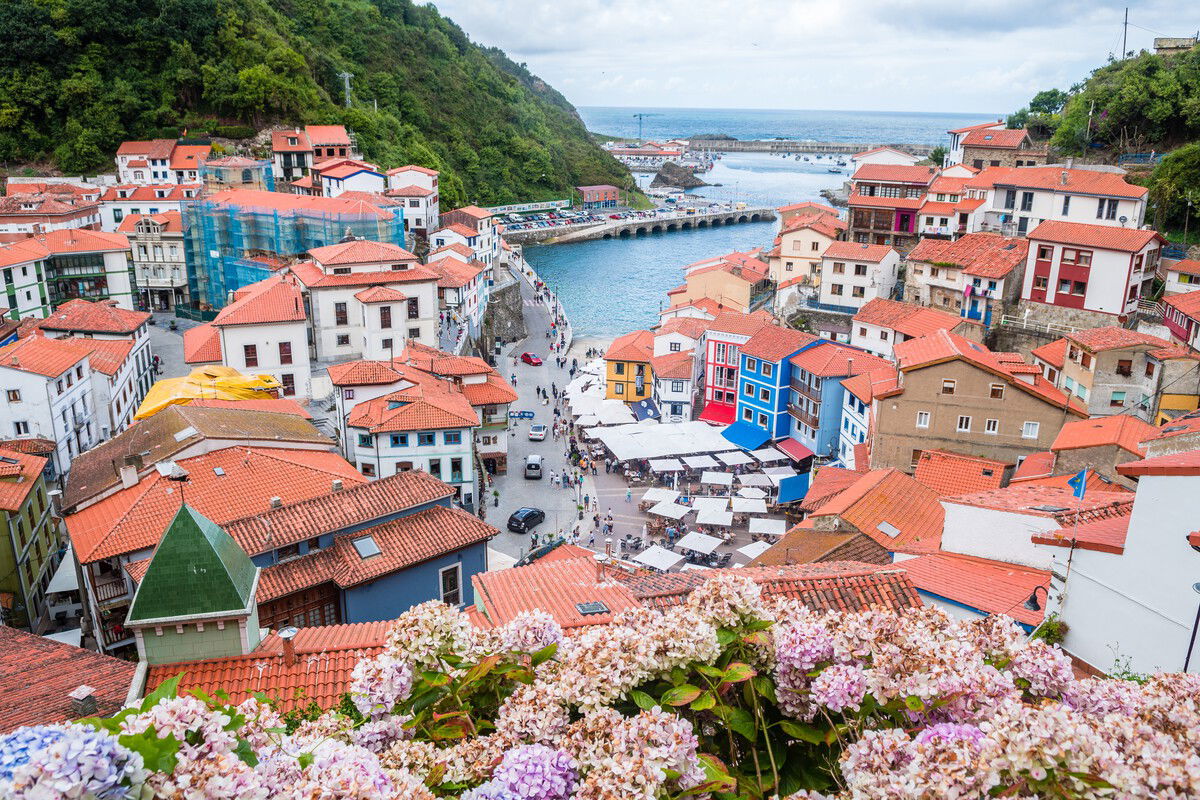
The ranking features destinations from across the country, each known for its distinctive character. Among them is Frigiliana, a white village in southern Spain famous for its steep cobbled streets and panoramic views of the Mediterranean. Further north, Cudillero is known for its colourful houses stacked along a hillside overlooking a fishing harbour, creating one of the most striking coastal scenes in Spain.
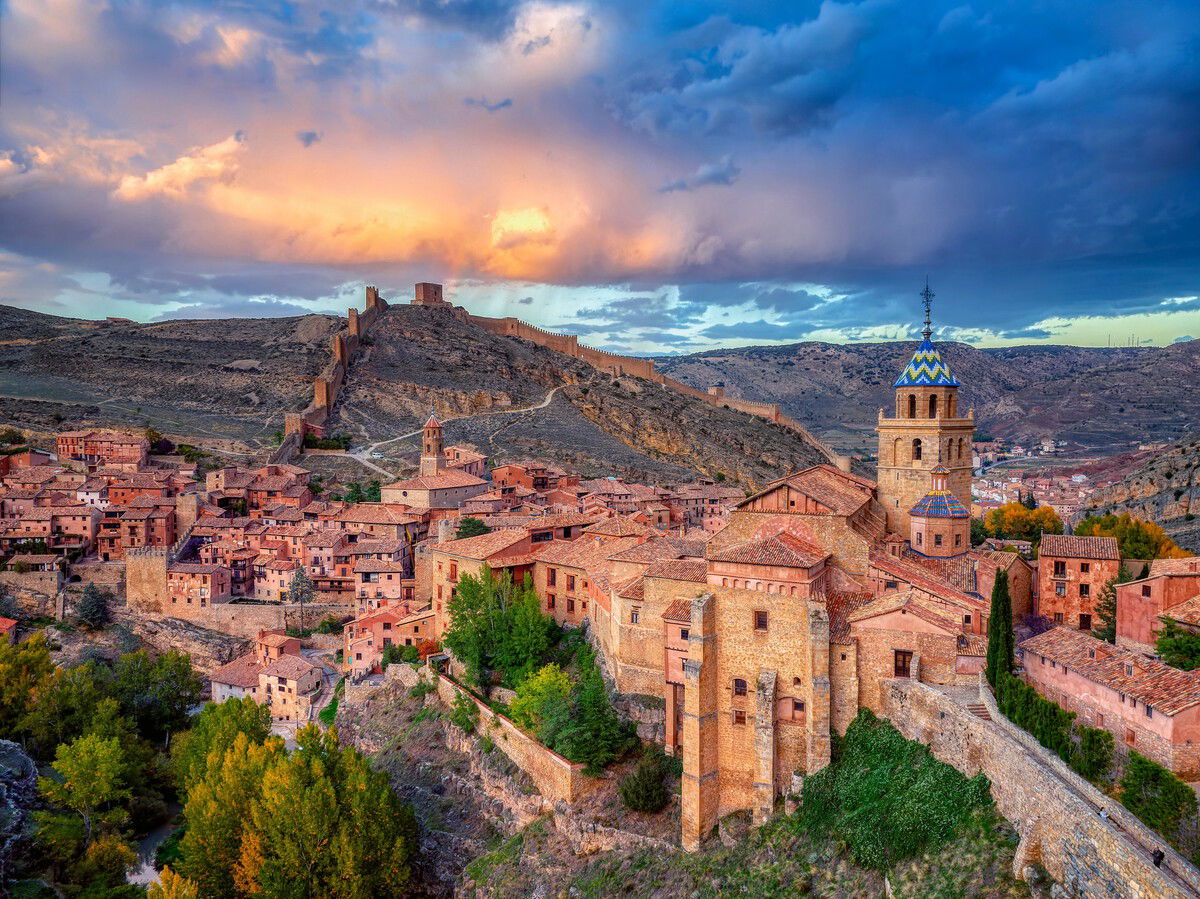
Another highlight is Albarracin, a medieval town surrounded by defensive walls and dramatic cliffs. Its reddish stone buildings and winding streets have helped it gain a reputation as one of Spain’s most picturesque historic centres. The coastal town of Cadaques also appears on the list, attracting visitors with its white houses, bright blue sea views and artistic heritage.
Why smaller towns in Spain are attracting more visitors
In recent years, many travellers have started looking beyond major cities in search of quieter and more authentic experiences. Smaller towns often offer historic architecture, local traditions and slower-paced tourism that can feel very different from large urban destinations.
Across Spain, rural tourism and village tourism have grown steadily as visitors seek scenic landscapes, traditional cuisine and cultural heritage away from crowded city centres. Many of the towns highlighted in the ranking sit in areas of natural beauty, surrounded by mountains, coastline or protected countryside.
What this means for travellers planning a trip to Spain
For visitors planning a holiday in Spain, these smaller towns can offer a completely different travel experience. Instead of major tourist attractions, travellers may find quiet plazas, historic churches, scenic viewpoints and local markets.
Exploring towns like these can also provide a deeper look into Spain’s regional cultures, where traditions and architecture have often remained unchanged for centuries. For expats already living in Spain, they can also make ideal weekend destinations or short road trips.

What travellers often want to know before visiting these towns
How expensive is accommodation in these towns?
Prices vary widely depending on the destination. Coastal towns such as Cadaques tend to have higher accommodation prices, especially in summer when demand peaks. Smaller inland destinations like Albarracin often offer more affordable rural guesthouses and boutique hotels. In places such as Frigiliana, which attracts many visitors from the Costa del Sol, accommodation can fill up quickly during peak travel periods, so booking in advance is usually recommended.
Which towns have the most places to stay?
Destinations that are already established tourist spots, like Cadaques and Frigiliana, offer a larger range of hotels, holiday apartments and guesthouses. Smaller historic towns such as Albarracin have fewer accommodation options, which is part of their charm but also means visitors often need to reserve rooms earlier, especially on weekends.
When is the best time of year to visit?
Spring and early autumn are often considered the best times to explore many of these towns. Southern destinations like Frigiliana can become very hot during mid-summer, while northern coastal towns such as Cudillero often enjoy milder temperatures thanks to Atlantic breezes. Travelling outside the peak summer season usually means fewer crowds and more comfortable weather for exploring historic streets.
How interest in Spain’s villages could grow in the coming years
Travel trends increasingly show visitors searching for authentic destinations and local experiences, rather than only famous landmarks. Lists highlighting scenic towns and villages often spark curiosity among travellers planning future trips.
As tourism continues to evolve, Spain’s smaller towns may become even more popular with visitors looking for hidden gems beyond the country’s biggest cities.
Sign up for personalised news
Subscribe to our Euro Weekly News alerts to get the latest stories into your inbox!
By signing up, you will create a Euro Weekly News account if you don't already have one. Review our Privacy Policy for more information about our privacy practices.




Dora Urbancsek
Dora Urbancsek is an SEO writer with over eight years of experience producing high-quality, search-optimised journalism and digital content. Based in Spain for more than five years, she covers a wide range of topics concerning Spain and Europe, including current affairs, community stories, culture, and lifestyle. Dora is known for accurate, well-researched reporting that keeps readers informed and engaged.
Comments