Federal funding for asylum counselling in Germany under review
By Molly Grace • Published: 14 Mar 2026 • 23:24 • 3 minutes read
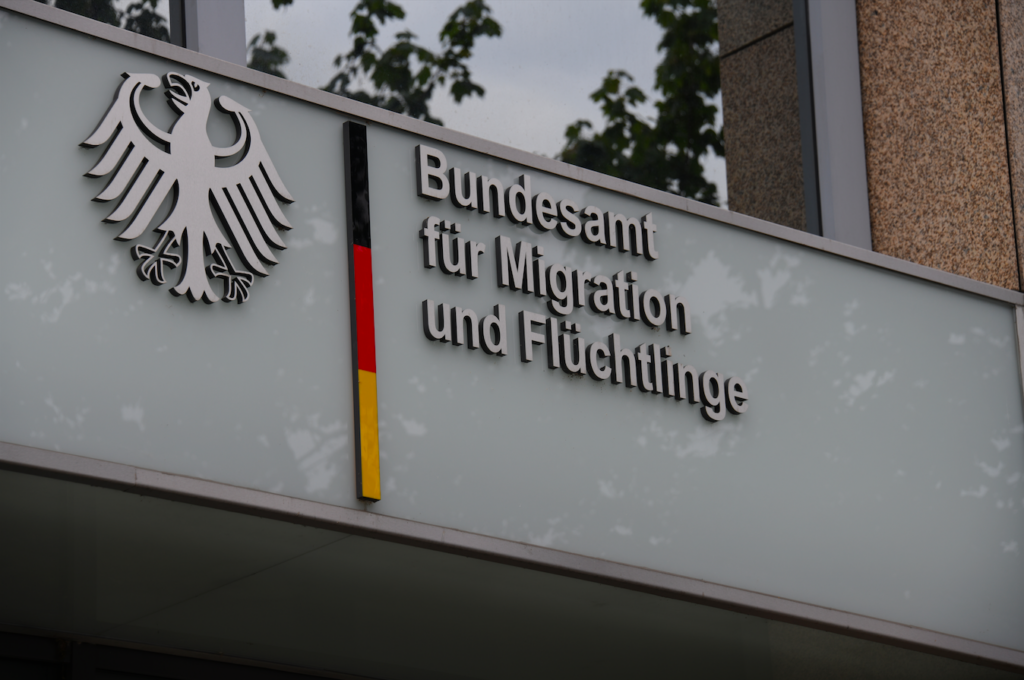
Leading welfare organisations have voiced alarm at the funding plans. Photo Credit: Nitpicker/Shutterstock
Germany is facing criticism from welfare groups and migration organisations after reports emerged that the federal government plans to significantly cut funding for asylum counselling and related migrant integration services as part of broader budget adjustments. The moves, which are still under discussion within government budget processes and coalition talks, have alarmed advocates who warn they could leave asylum seekers with less support navigating legal procedures and settling into German society.
Concerns focus on proposals to eliminate or sharply reduce federal funds for nationwide, independent asylum procedure counselling and other support measures that welfare organisations say are vital for asylum seekers’ legal rights and social integration. Organisations including the Federal Association of the Central Associations of Independent Welfare Services (BAGFW) have publicly highlighted the issue, describing planned funding changes as a serious setback for asylum support systems.
Budget proposals and counselling cuts
Reports from welfare organisations and advocacy groups indicate that the German federal budget planning process for 2026 and beyond could see major cuts to funding streams that support migrant counselling and integration. According to statements by BAGFW and related bodies, areas under threat include:
- Nationwide independent asylum procedure advice (Asylverfahrensberatung): Funding could be cut by about 50 % compared with previous years, hampering the ability of organisations to provide legal information and procedural guidance to asylum seekers.
- Migration counselling for adult immigrants (MBE): Budgets may be reduced by roughly 30 %, affecting local advisory services that help migrants integrate into German society.
- Psychosocial support services: The funding available for specialised centres providing mental health and trauma support to refugees and asylum seekers could be cut dramatically from higher levels of support to much smaller budgets, potentially endangering continuity of care.
Members of Germany’s welfare sector warn that these changes would undermine a framework that has been built up over years to ensure that asylum seekers have access to legal advice, social integration support, and psychosocial care. They note that independent counselling services play a key role in helping asylum seekers understand their rights, prepare documentation, and navigate the complexities of asylum procedures.
Political and fiscal context
The proposed reductions are unfolding against a backdrop of shifting political priorities in Germany, including debate over migration policy and social spending. Asylum policy has been a topic of heightened focus amid wider discussions on migration and integration, particularly since the influx of refugees in recent years and ahead of elections that have seen migration feature prominently in political debates. There is also broader pressure on federal budgets as government leaders navigate competing demands for spending.
While detailed government documents on the specific counselling cuts are not publicly available, welfare organisations contend that federal budget drafts and coalition planning discussions have signalled a withdrawal of previous funding commitments. These decisions appear to reflect changing priorities within the federal budget allocation, even as local authorities and civil society groups argue that cutting these services will create gaps in legal and social support for asylum seekers.
Impact on asylum seekers and integration
The potential cuts to asylum counselling and migration support services raise concerns about real‑world consequences for people seeking protection in Germany. Asylum procedure counselling helps individuals understand complex legal processes, prepare applications, and access rights under German and EU law. Reductions in funding could mean fewer advisers per region, longer waiting times for appointments, and reduced capacity to support those who lack legal representation.
Similarly, general migration counselling, including language support, orientation services, and help with employment and housing, is considered fundamental to successful integration. Cuts to these programmes risk leaving asylum seekers with limited access to essential information and services at a time when effective integration remains a priority for policymakers and communities alike.
Reactions from advocacy groups
Leading welfare organisations have voiced alarm at the funding plans. In their statements, groups such as BAGFW have described the potential loss of funds for asylum counselling and psychosocial services as a “serious threat” to essential support structures. They argue that reducing these services will leave asylum seekers more vulnerable and less equipped to integrate socially and economically.
These organisations are calling on the federal government to reconsider the proposed cuts and maintain investment in counselling, legal assistance and integration services, emphasising that such support is crucial not only for asylum seekers but for local communities and labour markets that depend on effective integration.
What happens next
At this stage, the cuts remain part of budget planning discussions, and specific legislation or formal budget decisions have not been finalised and published by official government sources. Germany’s budgetary process involves negotiation between the federal government, coalition partners, and parliamentary committees before final approval.
As advocacy groups continue to highlight the issue, both political leaders and civil society organisations are likely to engage in further debate over the future of asylum counselling and migrant support services. For asylum seekers and service providers, the coming months could be decisive in determining whether these essential supports are preserved or reduced under new budget frameworks
Follow Euro Weekly News on Google News
Get breaking news from Spain, travel updates, and expat stories directly on your Google News feed.
Follow on Google NewsSign up for personalised news
Subscribe to our Euro Weekly News alerts to get the latest stories into your inbox!
By signing up, you will create a Euro Weekly News account if you don't already have one. Review our Privacy Policy for more information about our privacy practices.





Molly Grace
Molly is a British journalist and author who has lived in Spain for over 25 years. With a background in animal welfare, equestrian science, and veterinary nursing, she brings curiosity, humour, and a sharp investigative eye to her work. At Euro Weekly News, Molly explores the intersections of nature, culture, and community - drawing on her deep local knowledge and passion for stories that reflect life in Spain from the ground up.
Comments