Why bottled gas prices are about to rise – and why the increase hasn’t hit yet
By Adam Woodward • Published: 14 Mar 2026 • 9:48 • 2 minutes read
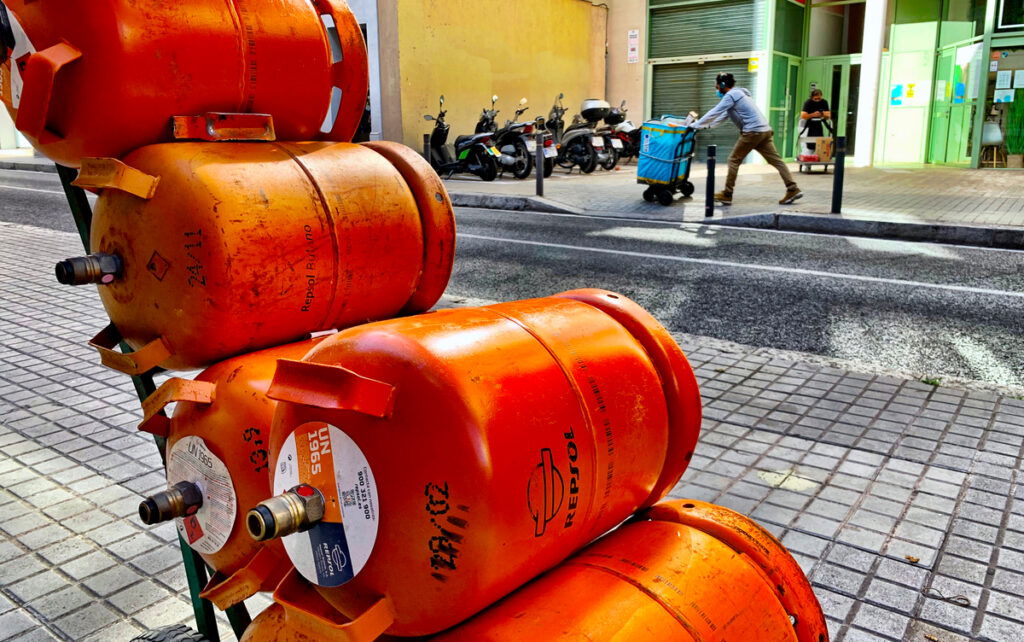
Butane gas delivery. Credit: Julian Crisanta - Shutterstock
Escalating conflict in the Middle East has severely disrupted global supplies of liquefied petroleum gas (LPG), including butane. Attacks and restrictions in the Strait of Hormuz, a vital route for Middle Eastern exports, have driven up international butane quotations higher, with levels reportedly exceeding $480 per tonne in early March. Bottled butane in Spain continues to be regulated by the Spanish government, so sudden market shocks have not not immediately affected the maximum retail price (PVP). This protective mechanism has delayed the pass-through of costs, keeping the current price stable while international pressures build. Until now, that is.
When the next bottled gas price review takes place
Government reviews of the butane price occur bimonthly, with the upcoming update scheduled for mid-March 2026. Authorities typically publish the new maximum price in the Boletín Oficial del Estado (BOE) (official state gazette) around March 16, with the new adjusted rate applying from the following day, likely March 17. This revision will be the first since the conflict intensified in late February, exposing the regulated price to the full force of elevated raw material costs.
Buy your butane cylinders before the price hike.
The advice is to stock up on your 12.5 kg orange butane cylinders immediately. The current regulated price stands at €15.58 per bottle. With international LPG markets reaching extremely high prices due to the crisis, experts expect an upward adjustment in the forthcoming review, potentially reaching the maximum allowed 5 per cent cap, pushing the price to around €16.36. While the individual household might not be affected too dramatically, businesses, such as restaurants, are going to feel the pinch.
Some forecasts even suggest figures could go even higher if the war continues much longer, though the cap limits extreme jumps in this cycle. Getting supplies now locks in today’s lower rate and avoids queues or shortages that often follow these announcements. Days after the outbreak of war, many service stations in Spain were faced with queues for butane and propane bottles, and local supplies ran out rapidly.
How the Middle East conflict has already hammered other fuels
Petrol and diesel prices at Spanish pumps have climbed dramatically since late February. Unleaded petrol has risen roughly 12 per cent, averaging around €1.71 per litre, while diesel has leapt over 22 per cent, reaching about €1.76 per litre in recent days. Natural gas benchmarks like Dutch TTF futures have doubled at peaks before settling higher, inflating household heating and electricity bills. Broader energy volatility comes from disrupted Gulf shipments, low storage levels, and competition for alternative supplies.
By how much could bottled gas rise in the next review?
Expect up to 5 per cent, the legal maximum per bimonthly update in Spain. Unregulated or free-market options from brands like Repsol or Cepsa already trade higher and may reflect increases sooner.
How long will prices keep climbing?
Duration depends on the conflict’s progression. Prolonged disruptions could sustain upward pressure through subsequent reviews (May onwards), though de-escalation or alternative routes might ease costs. Government monitoring hopes to curb speculation, but a continuation of high international LPG prices risk further adjustments.
What to expect next?
Energy markets are still volatile with ongoing Middle East tensions and blockages of the Strait of Hormuz. Households which rely on bottled gas for cooking, heating, or hot water should factor in much higher bills if the crisis drags on, potentially adding noticeable costs over winter. Government measures to cushion impacts may come out, but proactive stocking will offer the best immediate protection against the impending rise.
Rising fuel prices: How to find Spain’s cheapest petrol stations during Iran conflict
Sign up for personalised news
Subscribe to our Euro Weekly News alerts to get the latest stories into your inbox!
By signing up, you will create a Euro Weekly News account if you don't already have one. Review our Privacy Policy for more information about our privacy practices.



Adam Woodward
Adam is a writer who has lived in Spain for over 25 years. With a background in English teaching and a passion for music, food, and the arts, he brings a rich personal perspective to his work at Euro Weekly News. As a father of three with deep roots in Spanish life, Adam writes engaging stories that explore culture, lifestyle, and the everyday experiences that shape communities across Spain.
Comments