Hope dawns for patients battling rare ‘butterfly skin’ condition as groundbreaking gene therapy arrives to Andalucia.
By Adam Woodward • Published: 16 Mar 2026 • 20:47 • 1 minute read
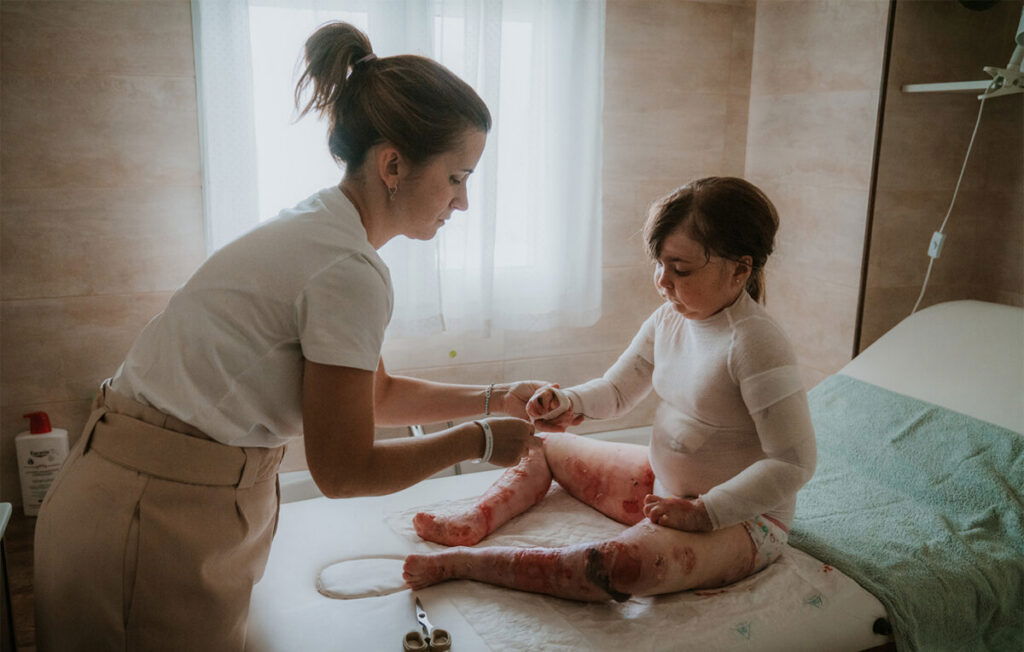
One little girl, Elena, suffers the effects of the disease Credit: Debra Butterfly Skin Charity
Patients suffering from the devastating rare disease known as epidermolysis bullosa, or ‘butterfly skin’, will soon gain access to a revolutionary medication in Andalucia. This move makes the southern Spanish region as the first in the country to incorporate the innovative treatment into its public health system, offering relief from chronic pain and wounds while significantly bettering daily life for those affected.
Young patient’s meeting leads to decisive action
Andalucia has finalised the acquisition of Vyjuvek, a topical gene therapy recently authorised by the European Union and Spain’s AEMPS agency. The drug addresses the root genetic cause of dystrophic epidermolysis bullosa by delivering healthy copies of the COL7A1 gene to promote wound healing and collagen production. Around 45 patients in the region stand to benefit from this therapy, which experts describe as the first corrective medicine of its kind in Europe.
Regional president Juanma Moreno made the announcement during a parliamentary session after meeting 12-year-old Leo Gutiérrez from Seville. Accompanied by his mother Lidia and representatives from patient associations, Leo shared his experiences living with the condition. Moreno praised the exceptional procurement process driven by the Servicio Andaluz de Salud to fast-track the drug’s availability, with the treatment expected to reach patients in just a few weeks.
Call for nationwide rollout to cut costs and expand access
Moreno stressed that Andalucía’s leadership could encourage other autonomous communities to follow suit. Wider adoption across Spain’s National Health System would help lower the high cost of the medication – reportedly around €100,000 per month – through economies of scale and broader distribution. Administrative steps for purchase are now advancing following full regulatory approvals.
Epidermolysis bullosa causes extreme skin fragility, leading to blisters, open wounds and scarring from even minor friction. Sufferers endure daily wound dressings to prevent infections, while simple activities such as eating, walking, dressing or speaking often become painful ordeals due to lesions, particularly in the mouth. Families manage constant care routines amid the ongoing risk of complications.
Commitment to patient voices and health system progress
During his address, Moreno stressed the value of listening directly to patients and advocacy groups when shaping healthcare solutions. He thanked dedicated medical professionals and support organisations working tirelessly with affected families.
Sign up for personalised news
Subscribe to our Euro Weekly News alerts to get the latest stories into your inbox!
By signing up, you will create a Euro Weekly News account if you don't already have one. Review our Privacy Policy for more information about our privacy practices.





Adam Woodward
Adam is a writer who has lived in Spain for over 25 years. With a background in English teaching and a passion for music, food, and the arts, he brings a rich personal perspective to his work at Euro Weekly News. As a father of three with deep roots in Spanish life, Adam writes engaging stories that explore culture, lifestyle, and the everyday experiences that shape communities across Spain.
Comments