Home buying in Spain 2026: Top provinces for accessible housing and the hardest areas to buy
By Molly Grace • Published: 17 Mar 2026 • 11:52 • 3 minutes read
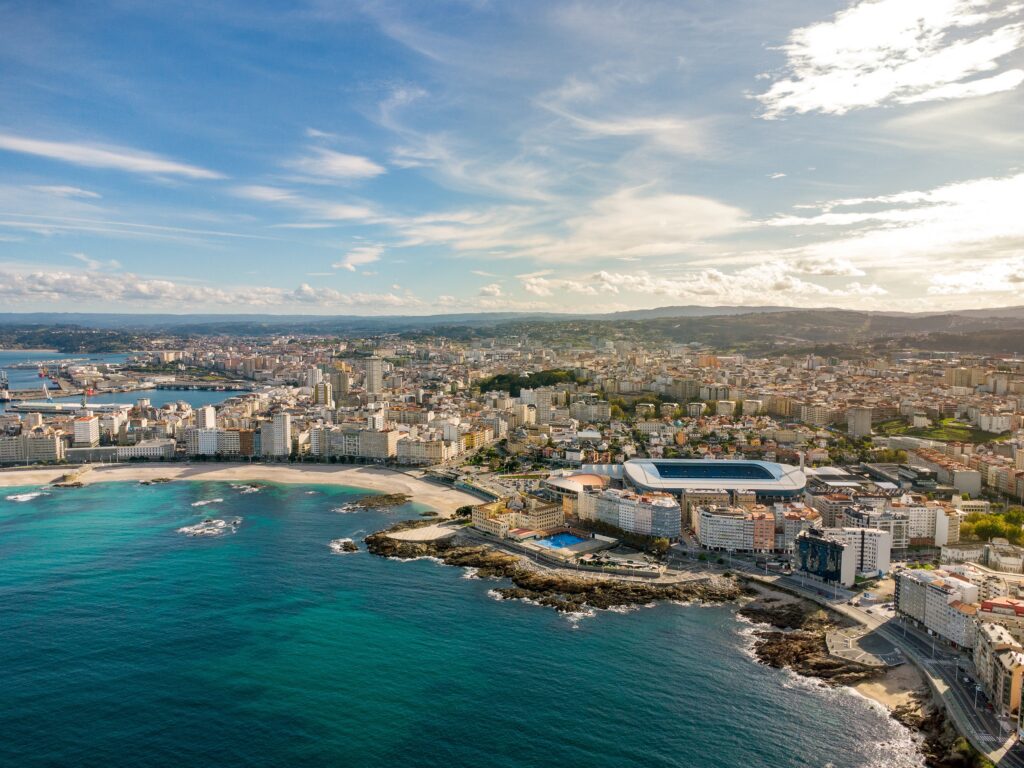
A Coruña is one of the hardest places to buy due to high demand. Photo credit: AlexeMarcel/Shutterstock
For prospective homebuyers in Spain, the ease of purchasing a property can vary dramatically depending on the province. Recent analysis highlight where it is currently easier, and more challenging, to buy a home, offering crucial insights for families, investors, and first-time buyers.
The research, drawing on official data, examined factors including average house prices, new construction, unsold inventory, and international buyer activity. It found that while certain areas in the southeast and inland regions show more affordable options, provinces in Galicia face higher pressure, making home purchases significantly more difficult.
How Spain’s property market is evolving
The analysis shows that home buying accessibility is no longer uniform across the country. Provinces like Teruel, and Cuenca stand out for lower prices and a healthy supply of new builds, offering opportunities for families and first-time buyers. Conversely, areas including A Coruña, Pontevedra, Lugo, and Ourense in Galicia rank among the ten hardest places to buy due to high demand, limited stock, and rising prices.
These disparities are driven by local market dynamics, including slow construction in some regions, high interest from international buyers in popular coastal and urban areas, and differences in local economic activity. Recent years have seen coastal and capital provinces attract foreign investment, which has further pushed up prices, while some inland areas maintain moderate levels due to slower economic growth.
Impact for buyers across different regions
Residents in regions such as Madrid, Valencia, Alicante, and Sevilla must recognise the market pressures before making commitments. In high-demand provinces, homes can sell extremely quickly, sometimes in under two months, and prices have increased by more than 30% since the pandemic, according to Remitly.
In contrast, buyers in provinces with higher accessibility benefit from moderate pricing and more time to make decisions. For example, in Almeria, Palencia or Teruel, the combination of lower prices, available new constructions, and less international competition allows for a less pressured buying experience. Families can plan their moves carefully and compare options without the stress of competing with numerous buyers for each property.
Steps buyers should consider now
Prospective buyers should assess province-level market conditions before committing. Checking average property prices, available new builds, and housing stock can provide a realistic view of opportunities.
Other practical steps include:
- Engage local real estate agents to access properties not widely advertised.
- Evaluate long-term affordability, including taxes, community fees, and potential infrastructure developments.
- Compare coastal versus inland options, as coastal provinces often face more international demand and higher prices.
- Consider family needs such as schools, healthcare, and public transport when choosing a location.
- Plan flexible timelines, especially in provinces where the market moves quickly, to avoid rushed decisions.
- Research local construction trends, since new developments often influence stock availability and future resale value.
- Look at regional economic growth, which can affect employment prospects and property demand.
Provinces ranked by accessibility
- Galicia. Low accessibility: High demand, limited housing stock, and slower construction make buying more challenging. Key towns affected include A Coruña, Pontevedra, and Vigo, where prices remain elevated.
- Southeast Spain. High accessibility: More new builds, lower pressure from international buyers, and relatively affordable prices. Examples include Almería, Murcia, and Jaén, where buyers can find modern properties at moderate costs.
- Inland provinces. Moderate accessibility: Mixed stock levels, moderate pricing, and slower market activity create balanced opportunities. Palencia, Teruel, and Cuenca offer attractive options for families and investors seeking stability.
Common questions for buyers
Does this affect first-time buyers more?
Yes. Limited stock in high-pressure provinces increases competition, making affordability a key concern for newcomers.
Are coastal areas always harder to buy in?
Not always, but many coastal provinces attract international buyers, raising prices and reducing available homes, especially in popular tourist destinations.
Can buyers find bargains in harder provinces?
Opportunities exist, but buyers may need patience, flexible timelines, and local guidance to locate properties that meet both price and quality expectations.
Should buyers consider investment potential?
Yes. Provinces with rising demand and international interest may offer better rental yields, but affordability and long-term access should remain key considerations.
What happens next
Property experts anticipate that the gap in accessibility between provinces may continue to widen. Slow construction in some areas and sustained demand from both domestic and foreign buyers are likely to maintain pressure in the hardest provinces. Meanwhile, areas with more active building and lower demand could remain accessible for those seeking their first home or investment properties.
For those planning a purchase in 2026, understanding these provincial disparities is crucial. Choosing the right region could mean the difference between a smooth buying process and a highly competitive, stressful experience.
Sign up for personalised news
Subscribe to our Euro Weekly News alerts to get the latest stories into your inbox!
By signing up, you will create a Euro Weekly News account if you don't already have one. Review our Privacy Policy for more information about our privacy practices.




Molly Grace
Molly is a British journalist and author who has lived in Spain for over 25 years. With a background in animal welfare, equestrian science, and veterinary nursing, she brings curiosity, humour, and a sharp investigative eye to her work. At Euro Weekly News, Molly explores the intersections of nature, culture, and community - drawing on her deep local knowledge and passion for stories that reflect life in Spain from the ground up.
Comments