Canary Islands weather alert: What Storm Therese means for tourists and expats this week
By Dora Urbancsek • Updated: 18 Mar 2026 • 12:46 • 3 minutes read
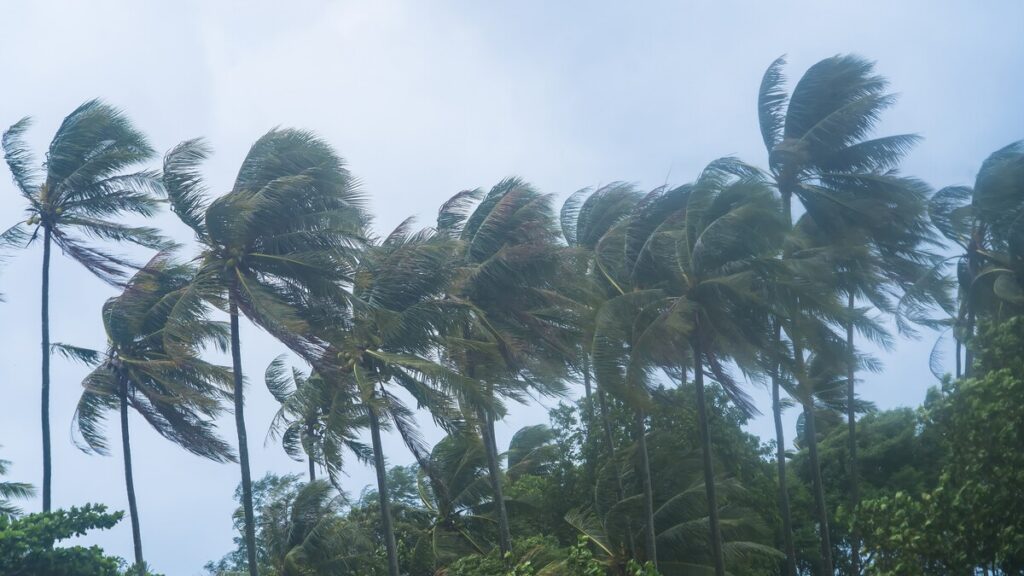
Strong winds and rough seas affect Tenerife and other Canary Islands under official alert Credit: Shutterstock/Bubbers BB
Residents and tourists in the Canary Islands are being urged to exercise extreme caution as Storm Therese makes landfall today, Wednesday, March 18, 2026. The regional government has activated a high-level wind alert for Gran Canaria and a coastal hazard warning across the entire archipelago, with westerly gusts expected to reach a staggering 90 km/h. From the snow-capped peaks of Mount Teide to the packed streets of the Maspalomas International Carnival, the 2026 spring season is facing a dramatic “Atlantic surge” that has authorities warning of 4-meter waves and significant travel disruption through Sunday.
What is happening on the Canary Islands
The alert applies to Tenerife, La Palma, La Gomera and El Hierro, as well as parts of Gran Canaria, where Atlantic conditions are expected to strengthen. Authorities warn that gusts could reach around 70 to 80 km/h in exposed areas, particularly on mountain slopes and coastal zones facing prevailing winds.
These conditions increase the risk of falling debris, dangerous sea conditions and transport disruption. The situation has been confirmed by the Government of the Canary Islands, which activated the alert as a preventive measure based on forecasts from AEMET.
What this means for travellers
For tourists and residents currently in the Canary Islands, the alert does not mean cancelling trips, but it does require adjustments. Wind is one of the most disruptive weather factors on the islands. Even when temperatures remain mild, strong gusts can affect flights, ferry routes and outdoor activities.
Travellers may experience delays during flights, particularly when landing at more exposed airports such as Tenerife North. Inter-island ferry services may also face cancellations or schedule changes, especially during peak wind periods.
Beach conditions can quickly become unsafe due to strong waves and currents, while hiking routes and viewpoints in elevated areas may be temporarily restricted. For readers living on the islands, daily routines such as driving or working outdoors may also be affected during stronger gusts.
How to plan your trip in these weather conditions
Authorities advise travellers to stay updated through official weather channels and follow local safety guidance. Avoiding exposed coastal areas during strong winds is recommended, as well as paying close attention to beach flags and warnings issued by local authorities. In higher areas, conditions can shift rapidly, making planned excursions riskier than usual. Anyone travelling between islands should check transport updates in advance, as disruptions can occur with little notice during weather alerts.
Wider weather shift across Spain
The Canary Islands alert forms part of a broader change in weather across Spain this week. According to AEMET, the country is experiencing a period of instability, with strong winds, rainfall and even snowfall expected in higher mainland areas. This marks a contrast to the calmer conditions seen earlier in the year, as Atlantic systems move across the peninsula and island territories.
Common questions travellers are asking
Can you still go up Mount Teide?
Access to Mount Teide may be restricted during strong wind alerts, especially for the cable car and summit routes. Operators often suspend services when gusts become unsafe, so it is essential to check updates before planning a visit. Even if access remains open, conditions at higher altitude can be significantly harsher than at sea level. Check the website for daily updates.
Until when the winds will stay
Wind is expected to remain the main disruptive factor over the next few days, particularly in coastal and elevated areas of Tenerife, La Palma and Gran Canaria. According to AEMET, these Atlantic systems are likely to move through relatively quickly, but conditions may fluctuate day by day rather than clearing immediately.
For travellers, this means ongoing uncertainty rather than a single-day event. Flights and ferries could continue to face minor disruptions, while outdoor activities may remain limited depending on local conditions. For the latest nationwide updates, visit our Spain Weather page.
Sign up for personalised news
Subscribe to our Euro Weekly News alerts to get the latest stories into your inbox!
By signing up, you will create a Euro Weekly News account if you don't already have one. Review our Privacy Policy for more information about our privacy practices.


Dora Urbancsek
Dora Urbancsek is an SEO writer with over eight years of experience producing high-quality, search-optimised journalism and digital content. Based in Spain for more than five years, she covers a wide range of topics concerning Spain and Europe, including current affairs, community stories, culture, and lifestyle. Dora is known for accurate, well-researched reporting that keeps readers informed and engaged.
Comments