Is your Spanish rent about to be frozen? The 2% cap might return this Friday
By Dora Urbancsek • Updated: 18 Mar 2026 • 9:23 • 3 minutes read

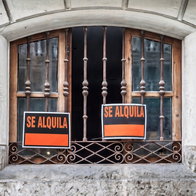
A proposed 2% rent cap in Spain could affect how rental contracts are updated in 2026. Credit: Shutterstock/CrizzyStudio
Spain’s rental market is bracing for a major intervention this Friday as the Council of Ministers prepares to reintroduce a nationwide 2% cap on rent increases. Aimed squarely at older contracts signed before May 2023, many of which are held by long-term expats, the move effectively overrides current inflation-linked (IPC) hikes that have hit 2.3% this year.
For thousands of international residents and expats in “stressed zones” like Madrid, Malaga, and the Balearics, this “Social Shield” measure could mean the difference between a manageable increase and an unaffordable jump in monthly costs. As the government moves to stabilize the 2026 housing crisis, both tenants and landlords are now racing to understand how this retroactive ceiling will impact upcoming renewals.
The proposed changes
The proposed measure would limit annual rent updates to 2% for contracts signed before Spain’s housing law came into force in May 2023. Currently, many of these older contracts are still linked to inflation (IPC), which stood at around 2.3% in February 2026.
This would effectively override inflation-linked increases and introduce a fixed ceiling, similar to emergency measures first introduced in 2022 during the Ukraine-related inflation surge. That cap remained in place for nearly two years before being phased out. The new decree may also include additional protections, such as extending rental contracts or reinforcing support for vulnerable tenants, although final details are still under negotiation.
How the system works right now
Spain’s rental system is currently split between two frameworks:
- Contracts signed before May 2023: typically updated using the IPC (inflation)
- Contracts signed after May 2023: updated using a new official index (IRAV), designed to stabilise rent increases
The latest IRAV figure sits around 2.16%, already close to the proposed cap. This means the biggest impact of the new measure would be on older contracts, where landlords may still be using inflation-based increases.
Why the 2% cap is of interest
Although inflation has cooled compared to previous years, housing affordability remains one of Spain’s most pressing issues. In many cities, rents have continued to rise faster than wages, especially in high-demand areas such as Madrid, Barcelona, Malaga and the Balearics.
Reintroducing a 2% cap would act as a buffer against future inflation spikes, preventing sudden increases in monthly rent. The measure has also gained legal backing: Spain’s Supreme Court recently upheld the original 2% limit, ruling it a proportionate way to protect tenants during economic pressure. However, critics argue that caps alone do little to solve the deeper supply problem, and could discourage landlords from keeping properties on the rental market.
What this means locally
For tenants, the change could mean more predictable and limited rent increases, particularly for long-term contracts signed before 2023. In practical terms, a €1,000 monthly rent would rise by a maximum of €20 per year under the cap, instead of potentially more under inflation-linked updates.
For landlords, the impact is more complex. While the cap limits annual increases, it does not apply when signing new contracts, meaning market prices can still adjust freely between tenants.
What you should do now
If you are renting in Spain:
- Check when your contract was signed
- Review whether your rent is linked to IPC or the new index
- Expect possible changes if the decree is approved this week
If you are a landlord:
- Monitor the final decree closely
- Review upcoming contract renewals
- Consider medium-term agreements to avoid frequent renegotiations
Common questions about Spain’s possible 2% rent cap
Will this 2% limit apply to all rental contracts?
No. The proposed cap is expected to apply mainly to contracts signed before May 2023, which are still typically updated using inflation. Newer contracts already follow a different index.
Does this mean my rent cannot increase at all?
Your rent can still increase, but it would be limited to a maximum of 2% per year if the measure is approved. The cap only affects annual updates, not the initial price agreed in a contract.
What happens when a new tenant moves in?
The cap does not apply to new rental contracts. Landlords can set the price freely based on market conditions when a property is rented to a new tenant.
When the rent cap could take effect and what to expect next
The government is expected to approve the decree at its next Council of Ministers meeting, scheduled for Friday. If adopted, the 2% cap would likely take effect immediately after publication in Spain’s Official State Gazette (BOE), meaning it could start applying within days.
The measure would apply to rent updates carried out from the moment the decree enters into force, not retroactively. This means tenants whose contracts are due for revision in the coming weeks or months could see the cap applied straight away.
Follow Euro Weekly News on Google News
Get breaking news from Spain, travel updates, and expat stories directly on your Google News feed.
Follow on Google NewsSign up for personalised news
Subscribe to our Euro Weekly News alerts to get the latest stories into your inbox!
By signing up, you will create a Euro Weekly News account if you don't already have one. Review our Privacy Policy for more information about our privacy practices.




Dora Urbancsek
Dora Urbancsek is an SEO writer with over eight years of experience producing high-quality, search-optimised journalism and digital content. Based in Spain for more than five years, she covers a wide range of topics concerning Spain and Europe, including current affairs, community stories, culture, and lifestyle. Dora is known for accurate, well-researched reporting that keeps readers informed and engaged.
Comments