Spain’s emergency energy measures: what we know so far
By Farah Mokrani • Updated: 20 Mar 2026 • 11:09 • 3 minutes read
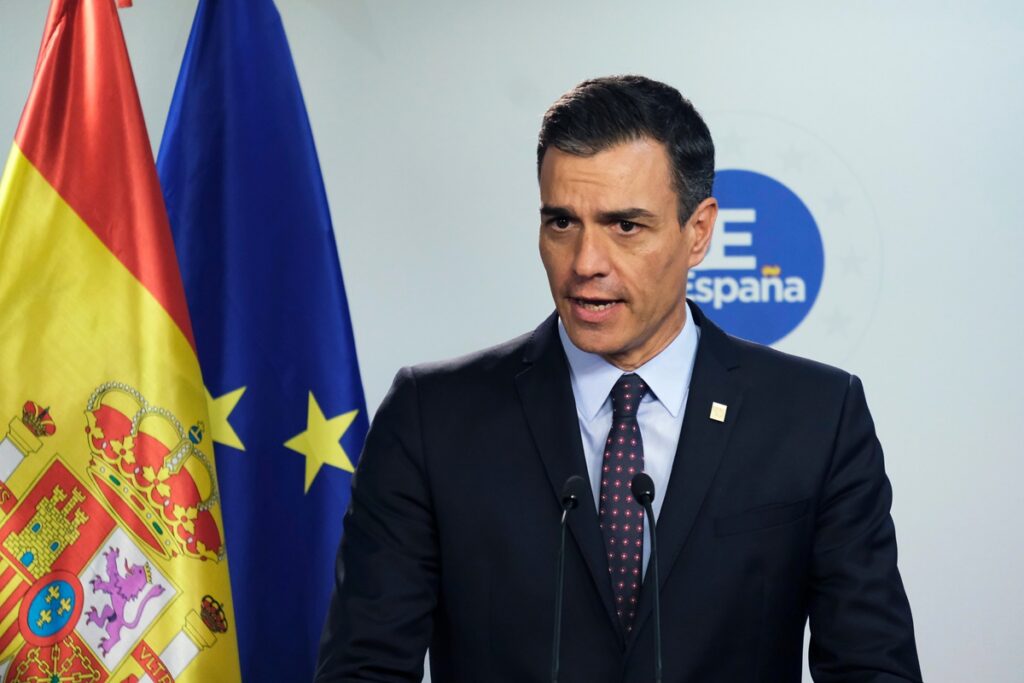
Pedro Sánchez to announce new fuel and energy measures amid rising costs Credit : Alexandros Michailidis, Shutterstock
Spain is preparing a fresh package of emergency measures that could directly lower the price you pay at the pump. The government is set to include a reduction of VAT on fuel from 21 per cent to 10 per cent as part of its response to the economic fallout from the Iran conflict. The move would affect drivers across Spain – including expats – and comes at a time when rising energy costs are once again hitting household budgets.
This article will be updated once the official announcement is confirmed.
Spain plans fuel VAT cut as part of emergency crisis response
The proposal is expected to be approved during an extraordinary Council of Ministers, with Prime Minister Pedro Sánchez due to outline the details shortly after this friday, March 20.
According to early information shared with political parties and published by cadenaser, the government’s plan combines tax cuts with renewed social support measures – in what officials describe as a “strong” and wide-ranging response to the current crisis.
The headline measure is clear: VAT on fuel could be reduced from 21 per cent to 10 per cent, a move designed to ease pressure on drivers as oil prices rise again.
There’s more.
The government is also considering removing the special hydrocarbons tax, which could lead to a price drop of around 30 to 40 cents per litre for petrol and diesel.
Electricity is also part of the plan, with proposals to scrap the 5 per cent electricity tax and reduce levies on power production.
How this could impact drivers and households in Spain
If approved, the changes would be felt almost immediately – particularly in regions where driving is essential.
For residents in places like Alicante, Malaga or more rural areas, where public transport options are limited, fuel costs are a major part of daily life. Any reduction at the pump could make a noticeable difference.
For expats, especially those commuting regularly or travelling long distances, this could ease some of the financial pressure that has been building in recent months.
The approach also marks a shift from previous crisis responses.
During the Ukraine war, Spain introduced a flat discount of 20 cents per litre. This time, the government is opting for tax cuts instead of direct subsidies, which could have a broader impact on pricing – but will depend on how much of the reduction is passed on by fuel providers.
Support measures for vulnerable households and key sectors
Alongside tax cuts, the government is also looking to revive parts of its so-called “social shield”, some of which were previously rejected in Parliament.
The plan includes:
- Increased discounts on electricity bills for vulnerable households
- A continued ban on cutting off essential utilities
- Targeted support for sectors most affected by rising costs
Industries expected to benefit include agriculture, fishing, transport and energy-intensive manufacturing – all of which are particularly exposed to fuel and energy price fluctuations.
However, not everything made it into the package.
Proposals related to housing – such as rent controls or mortgage relief – are not currently expected to be included, despite pressure from coalition partners.
A political balancing act ahead of the vote
Behind the scenes, the government has been working to secure broad political backing for the measures.
Officials contacted multiple parties – including the opposition Partido Popular – to gather input and build support for the decree, which is expected to be put to a vote in Congress next week.
Notably, Vox was excluded from these discussions. The aim is to ensure the package passes without the kind of setbacks seen in recent weeks, when parts of the social shield were voted down.
What drivers and residents should do now
For now, nothing has changed yet – and prices at the pump remain the same. But if you’re living in Spain, it’s worth keeping an eye on the official announcement.
If the measures are confirmed:
- Fuel prices could drop in the short term
- Electricity bills may be reduced
- Additional support could become available depending on your situation
For drivers, especially, this could be one of the most immediate and noticeable changes.
What happens next
All eyes are now on the government’s official announcement and the upcoming vote in Congress.
If approved, the measures could come into force quickly – but final details will matter, particularly how reductions are applied in practice.
For now, Spain is preparing to act. And for drivers and households across the country, that could mean some much-needed financial relief – just as costs were starting to climb again.
Sign up for personalised news
Subscribe to our Euro Weekly News alerts to get the latest stories into your inbox!
By signing up, you will create a Euro Weekly News account if you don't already have one. Review our Privacy Policy for more information about our privacy practices.




Farah Mokrani
Farah is a journalist and content writer with over a decade of experience in both digital and print media. Originally from Tunisia and now based in Spain, she has covered current affairs, investigative reports, and long-form features for a range of international publications. At Euro Weekly News, Farah brings a global perspective to her reporting, contributing news and analysis informed by her editorial background and passion for clear, accurate storytelling.
Comments