Streets in Spain turning over from retail to residence as shops close to open as homes
By Adam Woodward • Published: 20 Mar 2026 • 21:25 • 2 minutes read
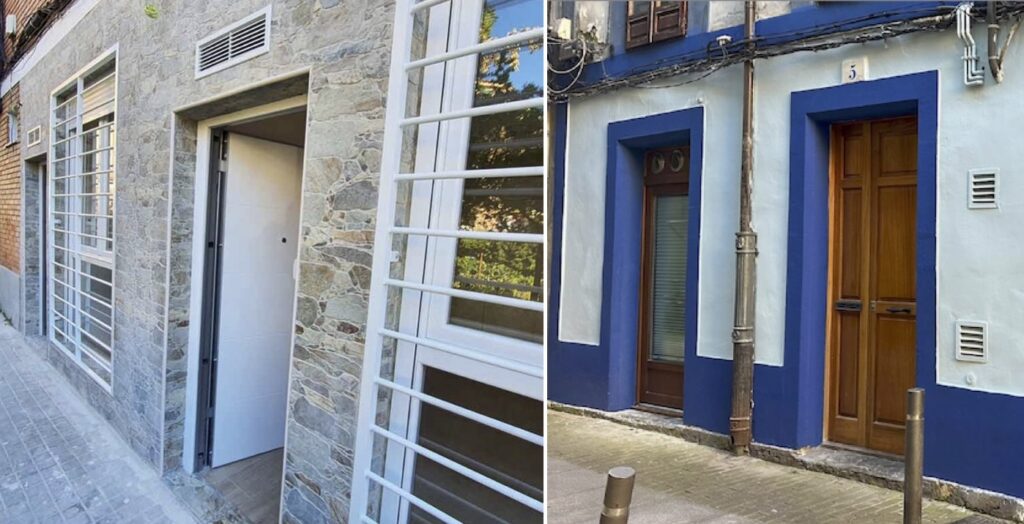
What once was the baker's. Credit: apuntoarquitectura
This phenomenon appears across the Malaga region and throughout Spain. Empty ground-floor shop units are increasingly transforming into ground-floor apartments, reshaping urban areas nationwide.
Empty shops stem from changing retail habits
Many commercial premises stand vacant due to the rise of out-of-town shopping centres and the explosive growth of online shopping. Traditional high-street retailers struggle to compete with large malls offering ample parking and one-stop convenience, together with the ease of e-commerce platforms delivering goods directly to homes. The COVID-19 pandemic accelerated closures, leaving thousands of units empty as consumer behaviour changed permanently toward digital and out-of-town retail. These spaces, once bustling with local businesses, now offer little viability for conventional commerce.
Original business model proved unsustainable
Many ground-floor units originated under a different model. Small shops often operated with minimal staff, closing mid-afternoon for siesta and reopening later into the evening. This flexible schedule suited family-run enterprises but clashes with modern retail demands for consistent hours, high footfall, and extended operations. Combined with rising rents and competition, this outdated approach contributed heavily to widespread vacancies.
Regulatory changes redirect investment
Authorities tightened rules on tourist rentals a lot. From 2025, reforms to the Ley de Propiedad Horizontal empowered communities to approve or veto new holiday lets, often requiring explicit neighbour consent and majorities for restrictions. Malaga and other cities imposed stricter conditions, such as independent entrances for tourist accommodations. These measures curbed short-term rental profitability, prompting owners to pivot toward long-term residential conversions as a more stable alternative.
Streets lose vitality while gaining residents
Spanish streets suffer noticeable effects. Neighbourhoods lose proximity commerce, eroding social interaction, local services, and the lively mix that defines traditional Spanish urban life. Areas risk becoming quieter with reduced “eyes on the street” and diminished community cohesion. Critics lament the decline of the 15-minute city ideal, where daily needs lie within easy reach. Yet conversions are providing much-needed housing in the thick of acute shortages, adding thousands of units quickly without sprawling new developments. This eases pressure on young families, renters, and buyers in overheated markets.
Societal impact balances housing relief with trade-offs
However, society gains affordable residential options in central locations, often at lower entry costs than purpose-built flats. Conversions can help to boost supply rapidly, supporting demographic needs and reducing speculation in tourist-driven segments. Drawbacks include potential over-densification, altered neighbourhood character, and challenges for remaining businesses facing fewer local customers.
Current rules differ from past flexibility
Previously, conversions faced fewer hurdles in many areas. Now, municipal plans (PGOU) strictly govern viability, requiring compliance with habitability standards like minimum surface area (often 35-40 m² useful), ceiling heights (typically 2.5 m+), natural light (windows at least 10-12 per cent of floor area), ventilation, and no prohibitions in community statutes. Owners must secure change-of-use licences, technical projects from architects, and final occupancy certificates.
The question of conversions answered
Is community approval always required? No, for pure residential change in most cases, unless statutes explicitly forbid it or affect common elements; however, tourist use now demands explicit neighbour votes under 2025 reforms.
What minimum size ensures approval? Regulations vary by council, but many demand 36-40m² useful space, with adequate bedrooms, bathrooms (min. 3-4m²), and accessible layouts per the Código Técnico de la Edificación.
Future streets may become more residential in the same way
Spain’s streets will likely evolve into predominantly residential zones at ground level. Traditional retail may concentrate in shopping centres, tourist hubs, or specialised streets, while neighbourhoods will be more dominated by living spaces. This change promises denser, walkable cores with more inhabitants but risks quieter evenings and altered social dynamics unless balanced by policy encouraging mixed uses or pop-up commerce.
This trend continues reshaping Spain’s urban fabric, combining necessity with adaptation in a changing economy.
Sign up for personalised news
Subscribe to our Euro Weekly News alerts to get the latest stories into your inbox!
By signing up, you will create a Euro Weekly News account if you don't already have one. Review our Privacy Policy for more information about our privacy practices.





Adam Woodward
Adam is a writer who has lived in Spain for over 25 years. With a background in English teaching and a passion for music, food, and the arts, he brings a rich personal perspective to his work at Euro Weekly News. As a father of three with deep roots in Spanish life, Adam writes engaging stories that explore culture, lifestyle, and the everyday experiences that shape communities across Spain.
Comments