300+ incidents and emergency activation: What Storm Therese warning means for residents and expats
By Dora Urbancsek •
Published: 21 Mar 2026 • 11:01
• 2 minutes read
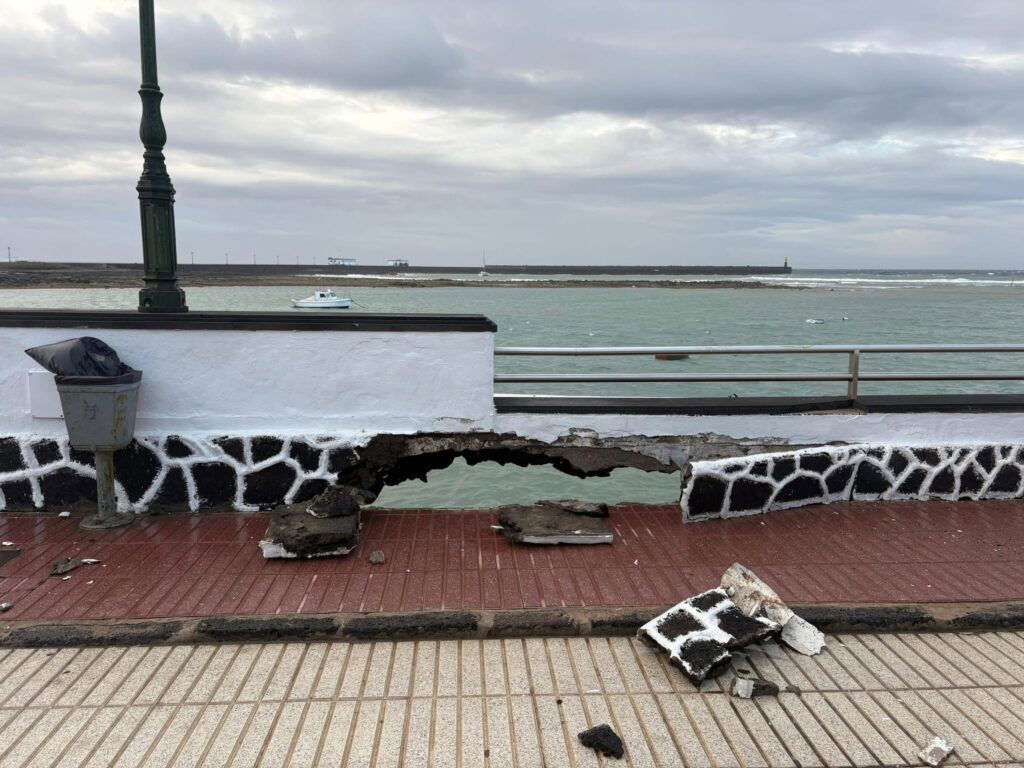
Storm Therese causes visible damage across the Canary Islands, with flooded areas and debris captured in real time. Photos sent by our reader Judith Dominique Wolfenegg
Credit: Facebook/Judith Dominique Wolfenegg
More than 300 emergency incidents in just hours have placed the Canary Islands under significant pressure as Storm Therese intensifies this Saturday, March 21. With conditions ranging from snow at higher altitudes to sudden flooding and dangerous coastal surges, authorities are now dealing with a widespread and fast-moving weather situation affecting multiple islands at once.
For residents and expats, the immediate consequence is the activation of the PEIN emergency plan, which has led to school closures and the restriction of all outdoor activities. Travellers and those visiting the islands are also facing major disruption, as the “Atlantic surge” has forced the closure of high-risk roads and suspended several flight and ferry routes.
More than 300 incidents reported as storm intensifies
Emergency services have been stretched since the storm reached the islands. According to the Canary Islands’ 1-1-2 emergency coordination centre, more than 300 incidents linked to Storm Therese were recorded within a short period. The majority were reported in the province of Santa Cruz de Tenerife, accounting for around 200 cases, while approximately 100 incidents occurred in Las Palmas.
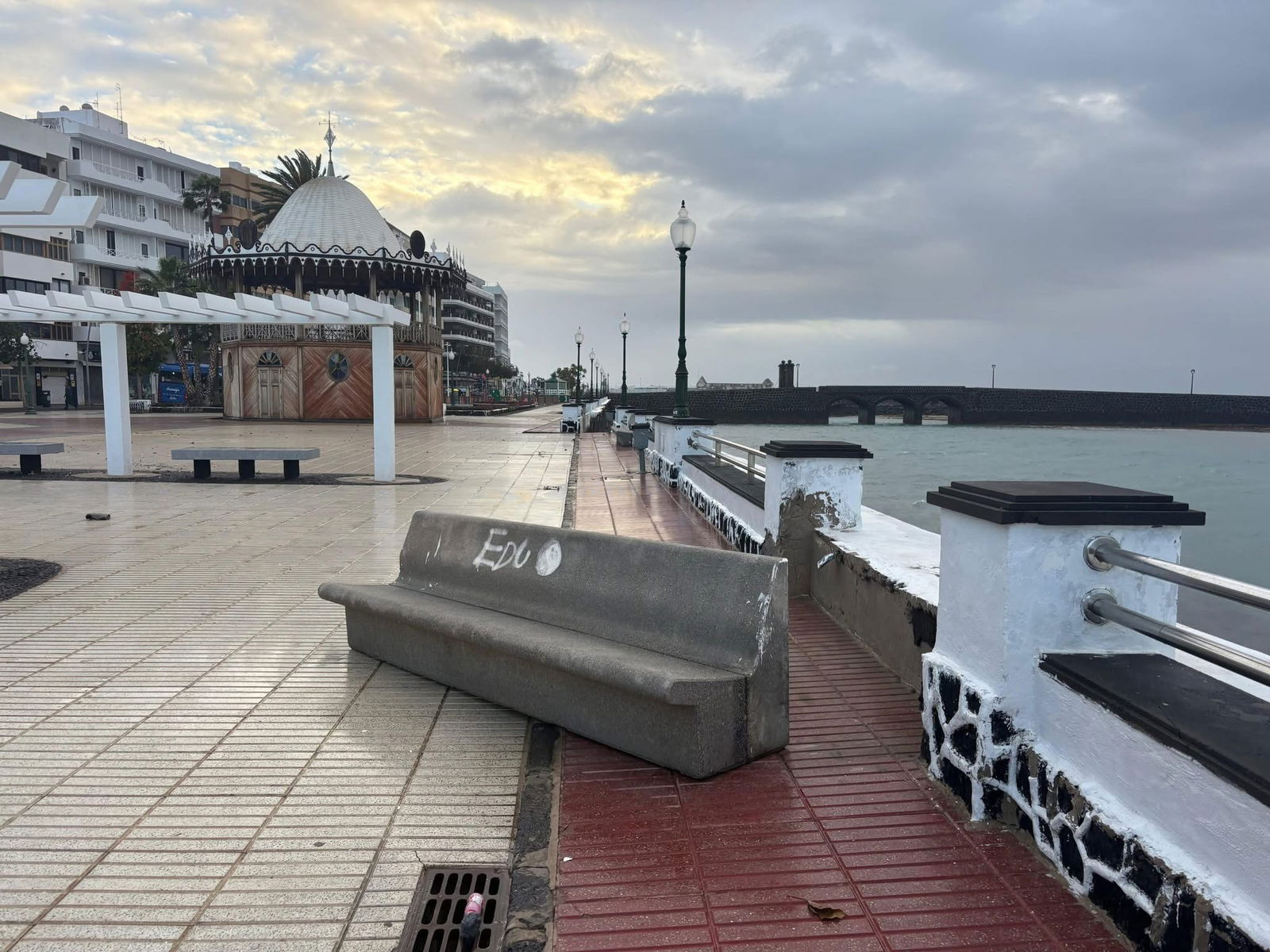
Most of these incidents were not life-threatening but caused significant disruption. Reports include fallen trees, landslides, damaged street infrastructure, flooding in urban areas and issues affecting roads and public services.
Scenes of storm damage across the Canary Islands as Storm Therese hits the region. Images shared by our reader Judith Domonique Wolfenegg show the situation unfolding in real time Credit: Facebook/ Judith Dominique Wolfenegg
Severe weather conditions across the islands
Storm Therese has brought a combination of intense rainfall, strong winds and rough sea conditions across the archipelago. Authorities have warned of heavy and persistent rainfall in several areas today, increasing the risk of flash flooding and landslides, particularly in mountainous zones.
Wind gusts have exceeded 100 km/h in exposed areas, especially at higher altitudes, while coastal regions have experienced strong waves and dangerous sea conditions. In higher elevations, including parts of Tenerife, weather conditions have even led to snowfall, further complicating access to certain areas.
How long will the storm last?
Initial forecasts suggested that Storm Therese would begin to ease by Sunday. However, updated weather models now indicate that severe conditions could persist into Monday or even beyond in some areas. This means prolonged disruption is possible, particularly in regions already affected by heavy rain, strong winds and rough seas. Authorities continue to monitor the situation closely as forecasts evolve.
What this means for movement and daily plans right now
For now, disruption is expected to continue across parts of the Canary Islands, particularly in areas already affected by strong winds, heavy rain and coastal conditions.
Road travel may remain unreliable, especially on secondary routes or in mountainous areas where landslides, debris or temporary closures are more likely. Journey times can be longer than usual, and some routes may become inaccessible with little notice.
Access to natural areas, including hiking trails and higher-altitude locations, is likely to stay restricted while safety checks are carried out. Coastal zones may also remain off-limits due to strong waves and unstable conditions. Transport schedules, including flights and local services, could continue to face delays or last-minute changes, depending on how conditions develop over the coming days.
Authorities are actively managing incidents, but the priority remains risk prevention rather than normal activity. For now, the most practical approach is to limit movement to essential journeys, stay informed through official channels, and plan with flexibility as the situation evolves.
For the latest nationwide updates, visit our Spain Weather page.
Subscribe to our Euro Weekly News alerts to get the latest stories into your inbox!
By signing up, you will create a Euro Weekly News account if you don't already have one. Review our
Privacy Policy for more information about our privacy practices.
Dora Urbancsek is an SEO writer with over eight years of experience producing high-quality, search-optimised journalism and digital content. Based in Spain for more than five years, she covers a wide range of topics concerning Spain and Europe, including current affairs, community stories, culture, and lifestyle. Dora is known for accurate, well-researched reporting that keeps readers informed and engaged.
Subscribe to our Euro Weekly News alerts to get the latest stories into your inbox!
By signing up, you will create a Euro Weekly News account if you don't already have one. Review our Privacy Policy for more information about our privacy practices.




Dora Urbancsek
Dora Urbancsek is an SEO writer with over eight years of experience producing high-quality, search-optimised journalism and digital content. Based in Spain for more than five years, she covers a wide range of topics concerning Spain and Europe, including current affairs, community stories, culture, and lifestyle. Dora is known for accurate, well-researched reporting that keeps readers informed and engaged.
Comments