Drug deliveries by drone: Shocking French prison case exposes growing security gap across Europe
By Dora Urbancsek • Published: 21 Mar 2026 • 14:35 • 2 minutes read
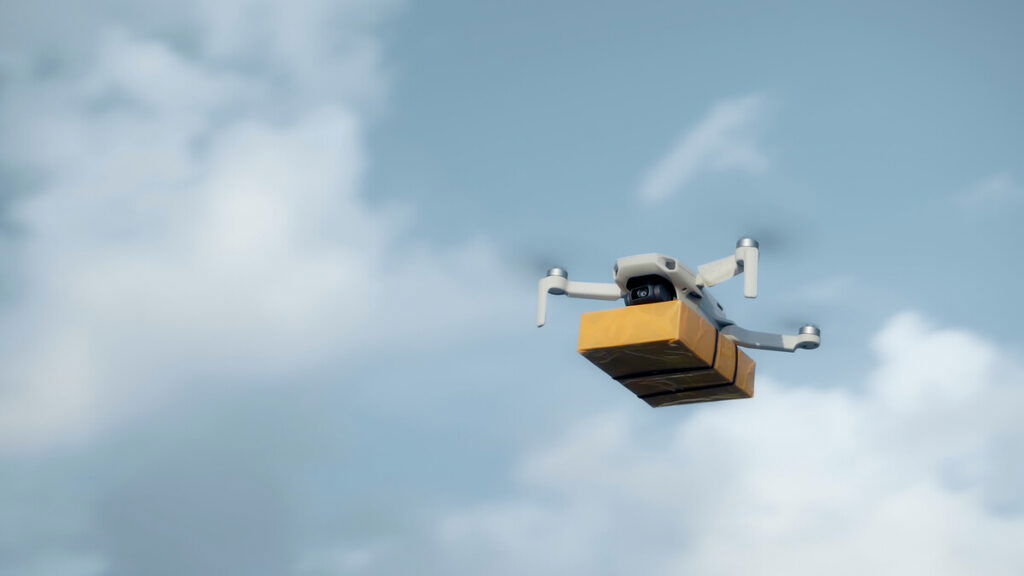
A new French case involving drone-delivered drugs highlights a growing security challenge already seen in Spain and across Europe Credit: Shutterstock/Nikolas Gregor
The trial of three men in Yvelines, France, has officially exposed a critical vulnerability in European prison infrastructure this Saturday, March 21, 2026. Investigators have detailed how specialized smuggling drones were used to bypass high-security walls and motion sensors, delivering drugs and encrypted phones directly to inmate windows. While these “invisible” airborne routes were once considered isolated incidents, the scale of the French case has triggered a coordinated 2026 overhaul of airspace regulations across the continent.
The immediate consequence of this security breach is the activation of high-intensity signal-jamming zones around correctional facilities in France and Spain, designed to drop unauthorized aircraft mid-flight.
How drones are changing prison smuggling
Drones have rapidly become one of the most effective tools for smuggling contraband into prisons. Unlike traditional methods, which rely on visitors or corrupt insiders, drones can deliver packages directly into prison yards or even through windows, often within minutes.
Authorities across Europe have reported an increase in:
- Drug deliveries
- Mobile phones and SIM cards
- Small tools or prohibited items
The appeal lies in precision and anonymity. Operators can control drones remotely from outside prison grounds, making detection and interception significantly more difficult. In many cases, deliveries are timed during low-visibility periods such as nighttime, further reducing the chances of being caught.
Spain has already faced similar incidents
This is not the first time drones have been linked to prison security breaches in Europe. In Spain, authorities previously launched an investigation after drones were spotted flying over the Alhaurin de la Torre prison in Malaga, with drugs and mobile phones later discovered inside inmate cells.
The case highlighted how contraband could be introduced without any physical contact between smugglers and inmates. It also raised concerns about how easily existing surveillance systems can be bypassed when airborne delivery methods are used. The similarities between the Spanish incident and the current French case point to a broader pattern rather than isolated events.
Why authorities are concerned now
What makes the French case particularly significant is that it has reached the courts. This suggests a higher level of organisation and planning, rather than opportunistic smuggling attempts. Experts warn that drone use in criminal activity is evolving quickly:
- Devices are becoming cheaper and more accessible
- Payload capacity is increasing
- Flight stability and range are improving
At the same time, many prison systems were not originally designed to deal with airborne threats. Traditional security measures such as walls, fences and controlled entry points offer little protection against drones.
Some countries have begun testing countermeasures, including signal jamming and drone detection systems, but these technologies are still being rolled out and are not yet widely implemented.
A growing European challenge
The French trial reflects a wider shift in how organised crime operates. As enforcement tightens on traditional smuggling routes, new methods are emerging that exploit gaps in existing infrastructure. Prisons, by their nature, are controlled environments. However, the rise of drone technology is challenging that control in ways that were not anticipated even a decade ago.
For authorities, the issue is no longer whether drones will be used in criminal activity, but how quickly systems can adapt to prevent it. With similar incidents already recorded in countries such as Spain, the latest case suggests that drone-based smuggling is not just a passing trend, but an evolving challenge that could reshape prison security across Europe.
Sign up for personalised news
Subscribe to our Euro Weekly News alerts to get the latest stories into your inbox!
By signing up, you will create a Euro Weekly News account if you don't already have one. Review our Privacy Policy for more information about our privacy practices.





Dora Urbancsek
Dora Urbancsek is an SEO writer with over eight years of experience producing high-quality, search-optimised journalism and digital content. Based in Spain for more than five years, she covers a wide range of topics concerning Spain and Europe, including current affairs, community stories, culture, and lifestyle. Dora is known for accurate, well-researched reporting that keeps readers informed and engaged.
Comments