Poland launches €3.7m scheme to protect bears and safeguard residents
By Molly Grace • Published: 22 Mar 2026 • 23:03 • 2 minutes read
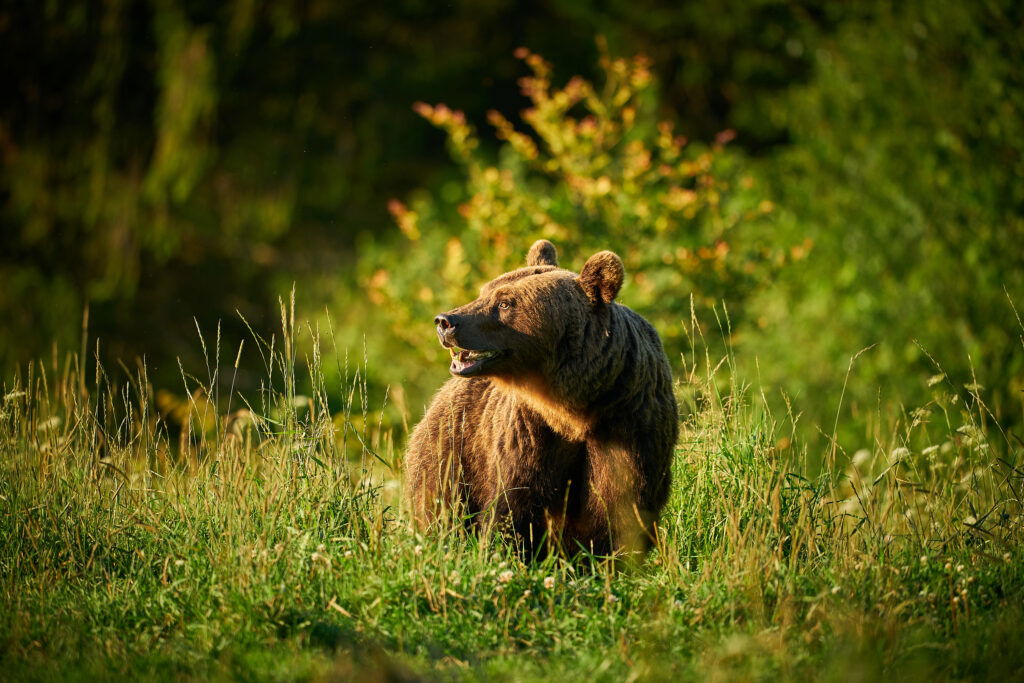
The brown bear population in Poland, concentrated mainly in the Carpathian Mountains. Photo credit: Martin Grossman/Shutterstock
Poland has unveiled a major initiative aimed at safeguarding brown bears while improving safety for residents living near their habitats. The programme, announced by the national government, represents the country’s most comprehensive effort to date to manage human–bear interactions and support long-term conservation of the species. The scheme is being implemented through the State Forests organisation, which manages much of Poland’s woodland and is responsible for coordinating the project on the ground.
The government has allocated 16 million zloty (€3.7 million) for the four-year initiative, with funding covering monitoring, rapid-response teams, and research. Officials said the programme will focus on regions in southern and south-eastern Poland, where bear sightings have become increasingly common in recent years, particularly near villages, hiking trails, and farmland. Authorities stressed that the goal is to reduce conflicts without harming the animals, which are a protected species under Polish law.
Monitoring and rapid-response measures
A key element of the programme involves the deployment of specialised teams to track brown bear movements using GPS collars. The collars provide real-time data, allowing officials to identify areas where bears may come into contact with humans. This monitoring helps determine patterns of movement, feeding habits, and potential hotspots for human–bear encounters.
Alongside monitoring, rapid-response units will be stationed in high-risk areas to intervene when bears approach settlements or infrastructure. Teams are trained to guide animals back into core forest areas and to provide advice to residents on how to minimise risks. Officials emphasise that the initiative does not involve culling or permanent relocation; the priority is coexistence through proactive measures and informed human behaviour. Education is a central part of the programme, with teams visiting local communities to advise on safe practices, such as managing food waste, securing livestock, and reporting sightings promptly.
Local context and population trends
The brown bear population in Poland, concentrated mainly in the Carpathian Mountains, has gradually recovered after near-extinction in the 20th century. Scientists estimate the current population numbers in the low hundreds. As numbers have grown, so has the likelihood of encounters with humans. Residents in regions such as Podkarpackie and Lesser Poland have reported animals wandering through fields or approaching roads and outbuildings. Most incidents have not resulted in injury, but concerns about property and personal safety have increased.
Local authorities have welcomed the government’s approach, seeing it as a balanced method to protect both people and wildlife. Conservation groups have also praised the initiative, highlighting its combination of technology, education, and monitoring as a modern model for coexistence. By proactively managing bear activity, officials hope to prevent conflicts before they escalate and ensure that both residents and animals can thrive in the same environment.
Research and long-term planning
The programme also funds scientific research into brown bear behaviour, including seasonal movements, dietary patterns, and interactions with other wildlife species. Data collected from GPS collars and field observations will contribute to long-term management strategies and inform future conservation policies, both in Poland and across Europe.
Authorities have stressed that the initiative relies on cooperation among national agencies, regional administrations, scientists, and local communities. Workshops and public information campaigns are planned as part of the rollout, giving residents guidance on safe conduct in bear territories. Regular updates will be provided to track progress, assess the effectiveness of measures, and ensure transparency.
Poland’s bear protection scheme reflects a wider European movement of managing large carnivore populations through coexistence-focused strategies rather than reactive measures. By combining monitoring, education, and research, the government aims to protect a recovering species while reducing risks for human neighbours, creating a model that could influence similar programmes in other countries with shared ecosystems.
Sign up for personalised news
Subscribe to our Euro Weekly News alerts to get the latest stories into your inbox!
By signing up, you will create a Euro Weekly News account if you don't already have one. Review our Privacy Policy for more information about our privacy practices.




Molly Grace
Molly is a British journalist and author who has lived in Spain for over 25 years. With a background in animal welfare, equestrian science, and veterinary nursing, she brings curiosity, humour, and a sharp investigative eye to her work. At Euro Weekly News, Molly explores the intersections of nature, culture, and community - drawing on her deep local knowledge and passion for stories that reflect life in Spain from the ground up.
Comments