Migrants in Sweden see deportations delayed as government reviews rules
By Molly Grace • Published: 23 Mar 2026 • 1:52 • 3 minutes read
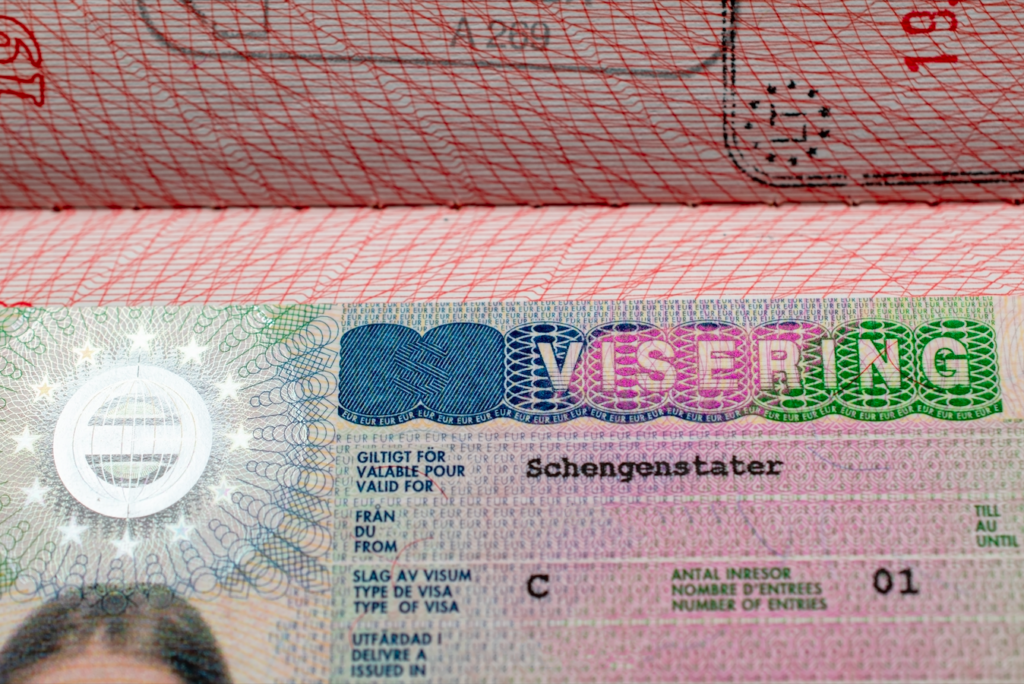
One of the main areas affected involves teenagers who arrived in Sweden as minors but became subject to deportation orders when they turned 18. Photo credit: Lena Chert/Shutterstock
Sweden’s government has moved to pause and soften certain deportations following sustained political and public pressure, in what has been widely described as a limited policy reversal. The change affects specific groups of migrants, particularly teenagers and individuals who have established lives in the country, rather than representing a broader shift in migration policy.
The decision comes after a series of high-profile cases in which young people who had spent years in Sweden faced removal upon reaching adulthood. These cases drew criticism from advocacy groups, legal experts and parts of the political opposition, prompting calls for a review of how deportation rules were being applied.
Targeted changes rather than a full reversal
The Swedish government has not announced a general halt to deportations. Instead, it has instructed authorities, including the Migration Agency, to reassess certain categories of cases and, in some instances, delay removals while new measures are considered.
One of the main areas affected involves teenagers who arrived in Sweden as minors but became subject to deportation orders when they turned 18. Authorities have now been directed to pause deportations in some of these cases while legal adjustments are explored.
Another group under review includes migrants who initially applied for asylum but later sought to remain in Sweden through employment. Under existing rules, many of these “track changers” faced deportation if their work permit applications were unsuccessful. The government has indicated that it intends to ease conditions for some individuals in this category.
Authorities begin adjusting case handling
The Migration Agency has already begun implementing the government’s guidance, with reports confirming that certain deportation decisions have been put on hold. Officials are expected to take a more flexible approach in cases involving long-term residence, employment history and social integration.
This does not mean all pending deportations will be stopped. Each case continues to be assessed individually, and those who do not meet the revised criteria remain subject to removal under existing legislation.
The government has also signalled that further legal changes may be introduced, suggesting that the current measures are temporary and designed to address immediate concerns while a longer-term solution is developed.
Continued focus on stricter migration controls
Despite the adjustment, Sweden’s overall migration policy remains significantly more restrictive than in previous years. The current government has prioritised reducing asylum numbers and increasing deportations of individuals without the legal right to stay.
Recent reforms have tightened residency requirements, limited access to certain permits and expanded enforcement measures. These policies remain in place, and the latest move does not alter the broader direction of travel.
Instead, the changes are aimed at resolving specific issues that have proven politically sensitive, particularly those involving young people who have spent a large part of their lives in Sweden.
Political and public reaction
The policy shift has prompted mixed reactions. Supporters argue that it introduces necessary flexibility into a system that had produced outcomes seen as unfair or disproportionate in certain cases. They point to examples of individuals who had studied, worked and integrated into Swedish society but still faced deportation.
Critics, however, maintain that the changes do not go far enough or create uncertainty by relying on temporary measures rather than clear legislative reform. Others have raised concerns about consistency, warning that case-by-case adjustments could lead to uneven application of the rules.
The government has defended its approach, stating that it is seeking to balance a stricter migration framework with targeted exceptions in situations where humanitarian or practical considerations apply.
Further measures expected
Additional proposals are expected as the government works to formalise the changes through legislation. Until then, authorities will continue to operate under interim guidance, meaning decisions may vary depending on individual circumstances.
The coming months are likely to determine whether the current adjustments become a permanent feature of Sweden’s migration system or remain a temporary response to political pressure. For now, the policy shift provides limited relief to specific groups while leaving the broader framework unchanged.
Sign up for personalised news
Subscribe to our Euro Weekly News alerts to get the latest stories into your inbox!
By signing up, you will create a Euro Weekly News account if you don't already have one. Review our Privacy Policy for more information about our privacy practices.





Molly Grace
Molly is a British journalist and author who has lived in Spain for over 25 years. With a background in animal welfare, equestrian science, and veterinary nursing, she brings curiosity, humour, and a sharp investigative eye to her work. At Euro Weekly News, Molly explores the intersections of nature, culture, and community - drawing on her deep local knowledge and passion for stories that reflect life in Spain from the ground up.
Comments