Navigating the road: How expats obtain a driving licence in Spain 2026
By Molly Grace • Updated: 23 Mar 2026 • 17:12 • 4 minutes read
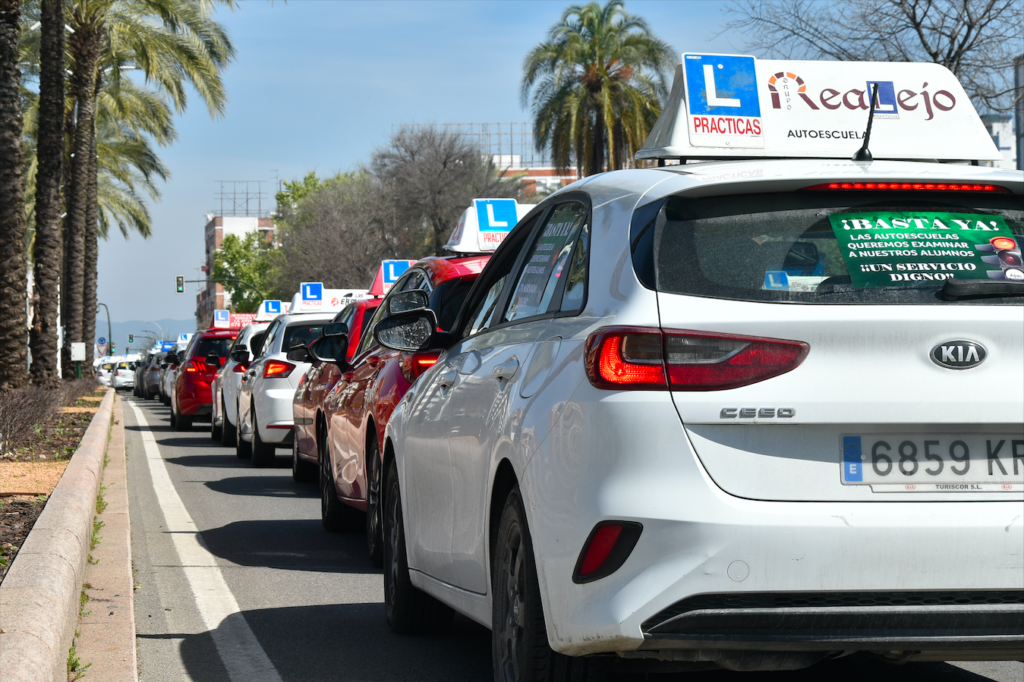
For first-time drivers, the practical stage is both time-intensive and financially demanding. Photo credit: IMAGEN PUNTO DE LUZ/Shutterstock
For many expats settling in Spain, obtaining a driving licence is more than a routine administrative task. It is an early encounter with the country’s bureaucracy, structured, methodical, and at times unexpectedly demanding. Overseen by the Dirección General de Tráfico (DGT), the process applies both to those exchanging a foreign licence and to those learning to drive for the first time, though the experience differs markedly between the two.
Non-European Union residents may drive on their existing licence for six months after gaining residency. Beyond that, they must either exchange it, if their country has an agreement with Spain, or begin the full process of obtaining a Spanish licence. EU citizens face fewer restrictions, often exchanging licences more easily. For many expats, particularly those from non-recognised countries or who have never driven before, starting from scratch is the only option. Obtaining a Spanish licence provides independence, access to employment requiring driving, and the ability to explore the country freely.
The Step-by-Step Process: Learning or Exchanging
While licence exchanges receive attention, many expats must complete the full process. This includes complete beginners and those whose foreign licences are not recognised. In these cases, the process is educational as well as administrative, requiring both theoretical study and practical training.
Most applicants enrol in an autoescuela, or driving school, which manages paperwork, coordinates with the DGT, and guides students through each stage. Enrolment fees typically range between €200 and €600, including theory materials and administrative handling.
A mandatory medical examination follows, carried out at an authorised centre to assess eyesight, reflexes, and coordination, typically costing €25–€50. Only after submission of the results can candidates book the theory test.
The Theory Exam: Knowledge and Language
The theoretical exam is the first major hurdle. Conducted digitally at a DGT centre, it consists of 30 multiple-choice questions, with only three errors allowed. While the structure appears simple, the precision required often surprises candidates.
First-time drivers must learn a new framework of road rules, traffic signs, and safety principles. Even experienced drivers face challenges adapting to unfamiliar terminology. English-language exams are available in some regions, but translations can feel rigid, and supporting resources are limited.
Students often rely on mock exams from their driving school, repeating tests until confident. Subtle differences in wording can still lead to mistakes, making the exam as much a linguistic challenge as a measure of driving knowledge.
Exam Attempts: Theory and Practical
Spain’s system is strict regarding exam attempts. Every candidate has one initial theory attempt. If they fail, a retake is required, along with additional study and a small retake fee. Passing the theory is mandatory before the practical test.
The practical exam rules depend on the theory result:
- Theory passed first time: Two attempts at the practical exam are allowed.
- Theory passed second time: Only one practical attempt is permitted.
Failing either stage increases cost and may result in long delays, making thorough preparation essential. Driving schools emphasise readiness in both theory and practical skills before any official attempt.
Learning to Drive: Structure, Discipline, and Cost
For first-time drivers, the practical stage is time-intensive and financially demanding. Spain mandates professional instruction, with lessons in dual-control vehicles. Informal practice with friends or family is not usually accepted.
Lessons typically range from €35 to €50 each. The number required varies: some learners complete the programme with 10–15 lessons, while adult beginners often need more. Combined with enrolment fees, medical checks, and DGT exam charges (around €90–€100), the total cost usually falls between €700 and €1,500, occasionally exceeding €2,000 in cases requiring multiple retakes.
Instruction progresses from basic vehicle control to advanced scenarios such as navigating roundabouts, managing urban traffic, and anticipating hazards, preparing learners for both the practical exam and independent driving.
The Practical Test: Precision Under Pressure
The practical driving test lasts 20–30 minutes on real roads, with a DGT examiner observing from the back seat. Candidates are assessed on vehicle control, situational awareness, adherence to road signs, and overall safety. Errors are categorised as minor, serious, or very serious. Minor faults may be tolerated, but serious mistakes, such as failing to yield or ignoring a signal, result in automatic failure.
For first-time drivers, the exam is often their first independent drive under formal scrutiny, creating pressure. Experienced expats must adjust driving habits to meet Spanish standards, which demand consistency and precision.
Delays, Costs, and Common Frustrations
Even well-prepared candidates can face delays. Waiting times for theory and practical appointments are often long, particularly in major cities. Administrative bottlenecks may further slow progress. Failing an exam increases costs through additional lessons and fees, and may result in weeks or months of delay before the next attempt, creating both practical and financial strain.
Opportunities and Benefits
Despite the challenges, obtaining a Spanish driving licence opens significant opportunities. Beyond personal mobility, it allows access to employment requiring driving, greater flexibility for commuting, and freedom to explore Spain independently. In regions with limited public transport, a licence is essential for shopping, socialising, and professional life. For long-term residents, it also facilitates future licence exchanges within the EU, reducing bureaucracy.
Key Challenges for Expats
- Navigating a predominantly Spanish-language system
- Limited English-language learning resources
- Enrolment fees of €200–€600
- Lesson costs of €35–€50 per session
- Medical certificate costs of €25–€50
- Official DGT exam fees around €90–€100
- Long waiting times and limited retake opportunities
A System That Rewards Persistence
Spain’s driving licence system is structured, consistent, and achievable. Candidates who prepare thoroughly and approach the process patiently are generally successful, whether learning from scratch or adapting an existing licence. Beyond legal permission to drive, a licence brings independence, integration, and the ability to participate fully in Spanish life. For expats, the effort, cost, and occasional frustration are outweighed by the autonomy and opportunities a Spanish licence provides.
Sign up for personalised news
Subscribe to our Euro Weekly News alerts to get the latest stories into your inbox!
By signing up, you will create a Euro Weekly News account if you don't already have one. Review our Privacy Policy for more information about our privacy practices.




Molly Grace
Molly is a British journalist and author who has lived in Spain for over 25 years. With a background in animal welfare, equestrian science, and veterinary nursing, she brings curiosity, humour, and a sharp investigative eye to her work. At Euro Weekly News, Molly explores the intersections of nature, culture, and community - drawing on her deep local knowledge and passion for stories that reflect life in Spain from the ground up.
Comments