Spain’s roads gridlocked as Easter getaway begins with kilometre-long queues
By Molly Grace • Published: 27 Mar 2026 • 20:46 • 3 minutes read
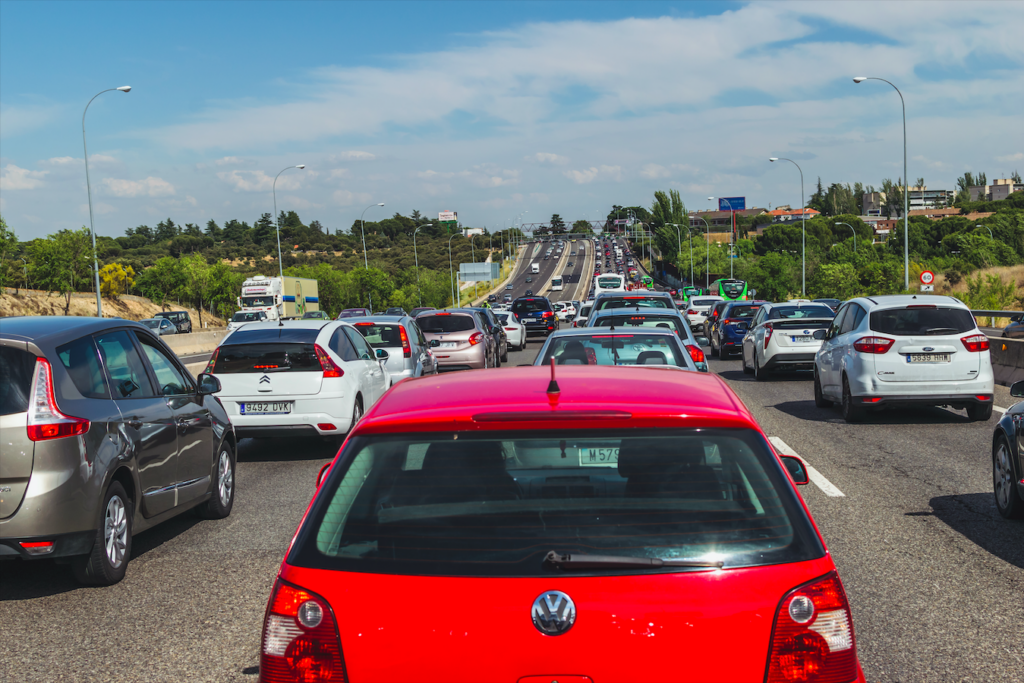
The Dirección General de Tráfico is monitoring the situation closely. Photo credit: CarmenRM/Shutterstock
Spain’s Easter getaway has begun with significant disruption on the country’s roads, as kilometre-long queues formed on key routes leaving Madrid and entering major cities including Barcelona, Valencia and Málaga.
Congestion built rapidly during the early stages of the operación salida (departure phase), the large-scale movement of holiday traffic that marks the start of Semana Santa (Holy Week). Authorities have warned that delays are expected to continue throughout the weekend, particularly during peak travel hours.
The situation has been further complicated by minor road incidents and high traffic density, which can quickly lead to extended delays even on multi-lane motorways. In busy corridors, a single disruption can have a cascading effect, slowing traffic for several kilometres. Despite the congestion, no major nationwide road closures have been reported.
Key routes affected during Semana Santa
Traffic authorities have identified several major routes where delays are most severe:
Outbound from Madrid (main departure motorways):
- A-1 (Madrid–Burgos)
- A-2 (Madrid–Barcelona)
- A-3 (Madrid–Valencia)
- A-4 (Madrid–Andalusia)
- A-5 (Madrid–Extremadura)
- M-607 (Madrid–Colmenar Viejo)
Entering Barcelona:
- AP-7 (Mediterranean Corridor)
- C-33
- C-58
- B-23
Entering Valencia:
- A-3 (Valencia–Madrid)
- A-7 (Mediterranean Motorway)
- V-21 and V-31 (access roads to the city)
Entering Málaga:
- A-7 (Mediterranean Motorway)
- AP-7 (toll section along the coast)
This congestion highlights the scale of Easter travel in Spain, with millions taking to the roads for short breaks, family visits and holiday trips.
Peak travel period intensifies pressure on infrastructure
Semana Santa is one of the busiest travel periods of the year in Spain, comparable to the summer holiday season. The operación salida typically unfolds in phases, with the first wave beginning in late March or early April, depending on the calendar.
This year, traffic volumes have increased sharply as travellers depart major cities simultaneously, creating pressure points on both outbound and inbound routes. The combination of family travel, short holidays, and international visitors makes this period particularly demanding for Spanish road networks.
Expected traffic trends later in the week
Authorities predict that traffic will remain high for several days, with peak congestion expected again mid-week and on the return trips following Easter Sunday, known as the operación retorno (return phase). Drivers heading back from coastal areas and tourist destinations should anticipate slower conditions, particularly on the A-7 corridor along the Mediterranean coast.
Additional minor delays are expected in urban areas, where high volumes of holidaymakers are likely to enter city centres, affecting both local and long-distance traffic.
Recommendations for residents and tourists
Authorities are advising both residents and visitors to plan ahead and remain flexible during Semana Santa. With traffic volumes expected to remain high, avoiding peak departure times can significantly reduce delays.
Key recommendations:
- Check live traffic updates before departure and monitor conditions during your journey
- Allow extra time, especially on major motorways or towards coastal areas
- Avoid peak travel windows, particularly late morning and early evening
- Consider alternative routes if primary roads are heavily congested
- Use navigation apps with real-time data to adapt your journey if conditions change
- Take regular breaks on longer trips and ensure your vehicle is in good condition
- Consider public transport for intercity travel, where rail and coach services may offer more predictable journey times
For tourists unfamiliar with Spanish roads, planning routes in advance and remaining flexible can help minimise disruption.
Authorities urge caution as travel continues
Spain’s traffic authority, the Dirección General de Tráfico (DGT) (General Directorate of Traffic), is monitoring the situation closely and has urged motorists to plan journeys carefully and remain patient. Drivers are advised to check live traffic updates before setting off and to consider travelling outside peak hours.
The DGT also recommends:
- Maintaining safe following distances
- Observing speed limits, particularly on congested or twisty roads
- Avoiding distractions such as mobile phone use while driving
- Ensuring vehicles are roadworthy, with full fuel and proper tyre pressure
- Taking regular breaks to prevent fatigue, particularly on longer journeys
Additional traffic management measures are often introduced during peak travel periods, including temporary lane adjustments and increased monitoring, though these cannot fully eliminate congestion during high-demand periods such as Easter.
Travel disruption extends beyond the roads
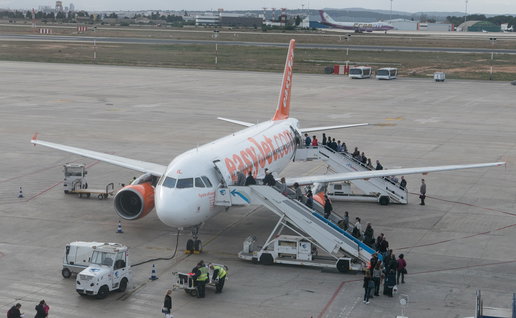
The heavy traffic on Spain’s roads comes as the country’s wider transport network faces pressure during Semana Sant. aAirports are also preparing for a surge in passenger numbers, with millions expected to travel domestically and internationally over the holiday period.
While road congestion and airport operations are separate issues, both reflect the intensity of seasonal travel demand. The combination of increased car journeys and high passenger volumes places strain on infrastructure and services across the country, resulting in longer journey times and the need for flexibility when planning trips.
Outlook for the Easter travel period
Traffic levels are expected to remain high throughout Semana Santa, with further peaks likely in the days leading up to Easter Sunday and during the return operación retorno.
Authorities anticipate ongoing congestion on major routes, particularly those connecting large cities with popular holiday destinations. Although such disruption is typical for this time of year, the scale of this year’s queues highlights the continued reliance on road travel during peak holiday periods. For motorists, careful planning and real-time information will be essential to navigating Spain’s busy Easter getaway.
Sign up for personalised news
Subscribe to our Euro Weekly News alerts to get the latest stories into your inbox!
By signing up, you will create a Euro Weekly News account if you don't already have one. Review our Privacy Policy for more information about our privacy practices.


Molly Grace
Molly is a British journalist and author who has lived in Spain for over 25 years. With a background in animal welfare, equestrian science, and veterinary nursing, she brings curiosity, humour, and a sharp investigative eye to her work. At Euro Weekly News, Molly explores the intersections of nature, culture, and community - drawing on her deep local knowledge and passion for stories that reflect life in Spain from the ground up.
Comments