Archaeologists uncover ancient chamber in Gibraltar that could rewrite Neanderthal story
By Molly Grace • Updated: 29 Mar 2026 • 23:53 • 3 minutes read
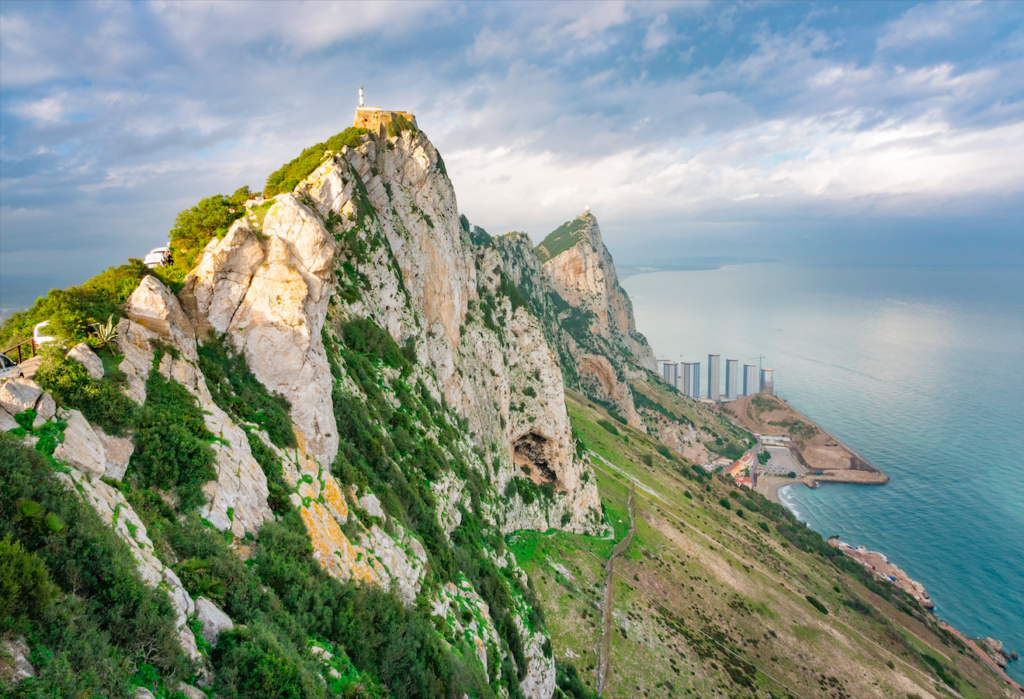
The chamber had been sealed for tens of millennia leaving it contents largely undisturbed since the Ice Age. Photo credit: EQRoy/Shutterstock
Archaeologists have uncovered a previously sealed chamber in a Gibraltar cave that may shed fresh light on the lifestyles of some of the last Neanderthals in Europe. The space, believed to have been closed off by sediments for around 40,000 years, was found at the rear of Vanguard Cave, part of the Gorham’s Cave Complex on the eastern face of the Rock of Gibraltar.
The complex of caves is renowned for its extensive archaeological deposits, which include evidence of human and Neanderthal activity spanning more than 100,000 years. Vanguard Cave and its neighbours are among the last known locations where Neanderthals lived before the species became extinct.
A chamber untouched since the Ice Age
The newly accessed space measures about 13 metres in length and lies tucked high within the cave system, concealed by ancient sand deposits. Archaeologists began the painstaking task of removing centuries of sediment in hopes of uncovering previously hidden passages. Their efforts were rewarded when they breached the plug of sand and entered what might be a pristine time capsule of prehistoric life.
The chamber’s floor yielded animal remains, including bones of a lynx, a hyena and a griffon vulture. Scratch marks left by predators were also found on the rock surfaces. Most striking among the finds was the shell of a dog whelk, a marine snail, which would not have reached the chamber on its own. Its presence suggests it was carried into the space by human inhabitants, indicating deliberate activity.
Geological and archaeological significance
The hidden chamber lies within Gorham’s Cave Complex, a series of interconnected caves that have provided some of the richest records of Neanderthal occupation in Europe. Excavations over decades have revealed evidence of Neanderthal life, from tools and hearths to animal remains indicating diverse diets that included marine food sources.
Radiocarbon dating and stratigraphic analysis indicate that Neanderthals persisted in Gibraltar far longer than in many other regions of Europe, potentially up to around 32,000 years ago. This suggests Gibraltar acted as a refugium — a stronghold where some populations survived as others declined and modern humans spread across the continent.
Insights into Neanderthal behaviour
Although no skeletal remains have been recovered from the newly opened chamber itself, the context of the finds offers valuable clues. The presence of a marine shell along with terrestrial animal bones points to a diet that drew on both shoreline and inland resources, complementing earlier discoveries in adjacent caves showing Neanderthals exploited a wide range of food sources, including fish and molluscs.
The discovery emphasises the adaptability of Neanderthal groups living in coastal environments. Other evidence from the caves indicates these populations crafted tools with tar extracted from plants, pointing to technical know‑how and flexible fire use.
Rare preservation and research potential
Because the chamber had been sealed for tens of millennia, its contents have remained largely undisturbed since the Ice Age. This level of preservation offers researchers the opportunity to study ancient habits without disruption from later activity. Sites with this degree of integrity are exceptionally rare and can yield insights into behaviour that might otherwise be lost to time.
Archaeologists hope that further excavation will reveal artefacts, hearths, or microscopic traces of plant and animal use that could refine understanding of Neanderthal life. The chamber’s untouched sediments may hold evidence of activities such as food processing, tool production or seasonal use patterns.
A key location in European prehistory
The Gorham’s Cave Complex has long been central to studies of Neanderthal behaviour and their eventual disappearance. Discoveries have challenged outdated views of Neanderthals as primitive, instead revealing a species capable of complex behaviour, diverse diets and sophisticated use of their environment.
The newly opened chamber adds a fresh chapter to this narrative. It is part of a landscape that retains a remarkably long record of Paleolithic occupation, and its exploration could deepen understanding of how Neanderthals adapted to changing climates and landscapes at the end of their tenure on Earth.
Broader implications
Beyond Gibraltar, the discovery has a wide importance for palaeoanthropology. Sites like this help frame the timing and nature of Neanderthal extinction, illuminate interactions between Neanderthals and changing ecosystems, and refine models of how early human relatives responded to environmental pressures. The sealed chamber uncovered at Vanguard Cave stands as a testament to prehistoric life and a promising portal into the deep past.
Sign up for personalised news
Subscribe to our Euro Weekly News alerts to get the latest stories into your inbox!
By signing up, you will create a Euro Weekly News account if you don't already have one. Review our Privacy Policy for more information about our privacy practices.




Molly Grace
Molly is a British journalist and author who has lived in Spain for over 25 years. With a background in animal welfare, equestrian science, and veterinary nursing, she brings curiosity, humour, and a sharp investigative eye to her work. At Euro Weekly News, Molly explores the intersections of nature, culture, and community - drawing on her deep local knowledge and passion for stories that reflect life in Spain from the ground up.
Comments