Freedom on wheels: Why are there so many motorhomes on Spanish roads this year?
By Adam Woodward • Updated: 29 Mar 2026 • 17:47 • 2 minutes read
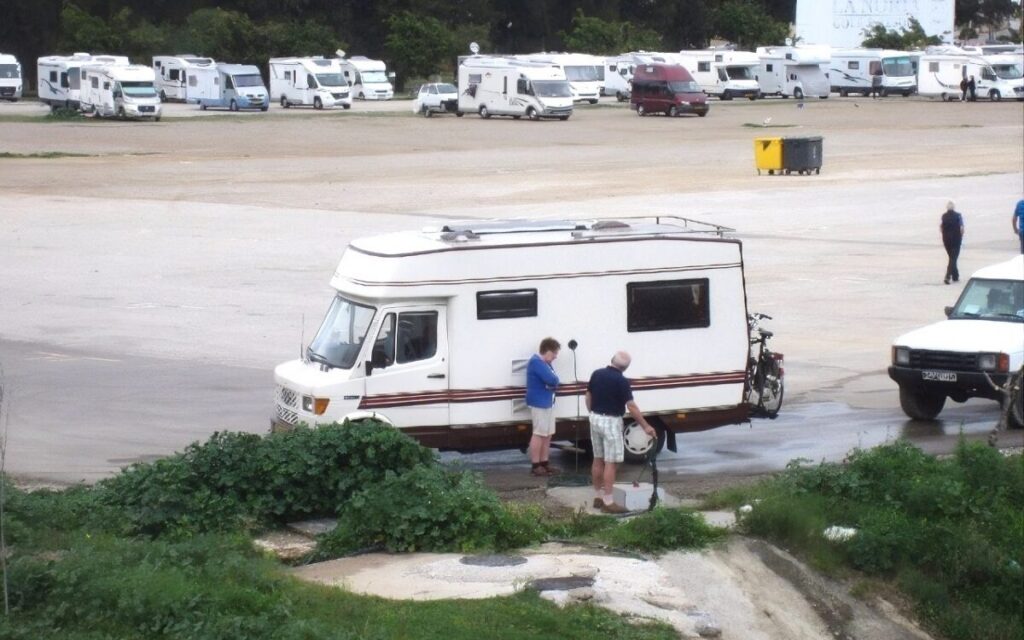
More motorhomes, camper vans and caravans arriving. Credit: Meinwomo
New motorhome and camper van registrations have risen dramatically in the last year, suggesting continued strong interest in road adventures and even more of these chalets on wheels. February figures reveal exceptional growth in new vehicle sales with an 84.3 per cent rise since Easter 2025, together with a 14.6 per cent rise in the second-hand motorhome and camper market.
Pandemic experiences ignited lasting passion
Initial interest in this travel format predates 2020 restrictions. Many fans credit the lockdown period for accelerating the preference as people sought safe, self-contained holidays. Juan Ignacio Cru, president of the Plataforma Estatal del Karavaning, attributes it to the discovery of true freedom. Travellers enjoy the knowledge that plans can be changed without reservation complications or increasing costs.
Families embrace independent exploration
Social distancing rules encouraged numerous households to try out motorhome journeys. Annual sector expansion follows naturally from those early trials. Rising fuel costs brought minor route modifications toward nearer locations without curbing overall demand.
Practical housing alternative gains traction
Nearly 30 per cent of vehicles serve as temporary or permanent homes, although legally speaking, the latter is not exactly black and white. Overall, Spain’s motorhome fleet is nearing 372,500 units, including caravans, motorhomes and camper vans. Comparisons with a decade earlier prove shocking, with new registrations climbing from 3,650 in 2016 to 6,067 in 2025 for motorhomes and camper vans combined.
Foreign visitors dominate the roads
Domestic owners and regular users number around 50,000, while foreign caravaners, mainly French, Belgian and German, double that figure. Their presence drives much of the activity and highlights Spain’s appeal as a good destination. Rental plots tend to be much cheaper in Spain, public parking is often more tolerant, and the weather near perfect.
Spanish infrastructure well behind growth in demand
Correctly equipped stopping areas have multiplied from 183 ten years ago to between 1,100 and 1,200 currently. Experts calculate the requirement for an additional 2,000 sites to match current needs effectively. While neighbouring nations like France boast far higher provisions with 7,500 dedicated zones. Until accommodation catches up with demand, roadside parking will no doubt continue to grow.
Interior regions prove more welcoming
Geographical preferences show clear patterns. Inland provinces such as those in Castilla y León and Castilla-La Mancha frequently extend warm hospitality through events and lenient parking policies. Coastal zones and islands tend toward stricter enforcement with concerns over overcrowding and local impacts.
Sustained growth looks set to continue. Both sales and rental sectors reflect robust demand as more individuals and families prioritise the autonomy and versatility inherent in motorhome travel.
Follow Euro Weekly News on Google News
Get breaking news from Spain, travel updates, and expat stories directly on your Google News feed.
Follow on Google NewsSign up for personalised news
Subscribe to our Euro Weekly News alerts to get the latest stories into your inbox!
By signing up, you will create a Euro Weekly News account if you don't already have one. Review our Privacy Policy for more information about our privacy practices.




Adam Woodward
Adam is a writer who has lived in Spain for over 25 years. With a background in English teaching and a passion for music, food, and the arts, he brings a rich personal perspective to his work at Euro Weekly News. As a father of three with deep roots in Spanish life, Adam writes engaging stories that explore culture, lifestyle, and the everyday experiences that shape communities across Spain.
Comments