Portugal plans tougher immigration rules – longer detention and faster deportations ahead
By Farah Mokrani • Published: 29 Mar 2026 • 22:47 • 3 minutes read
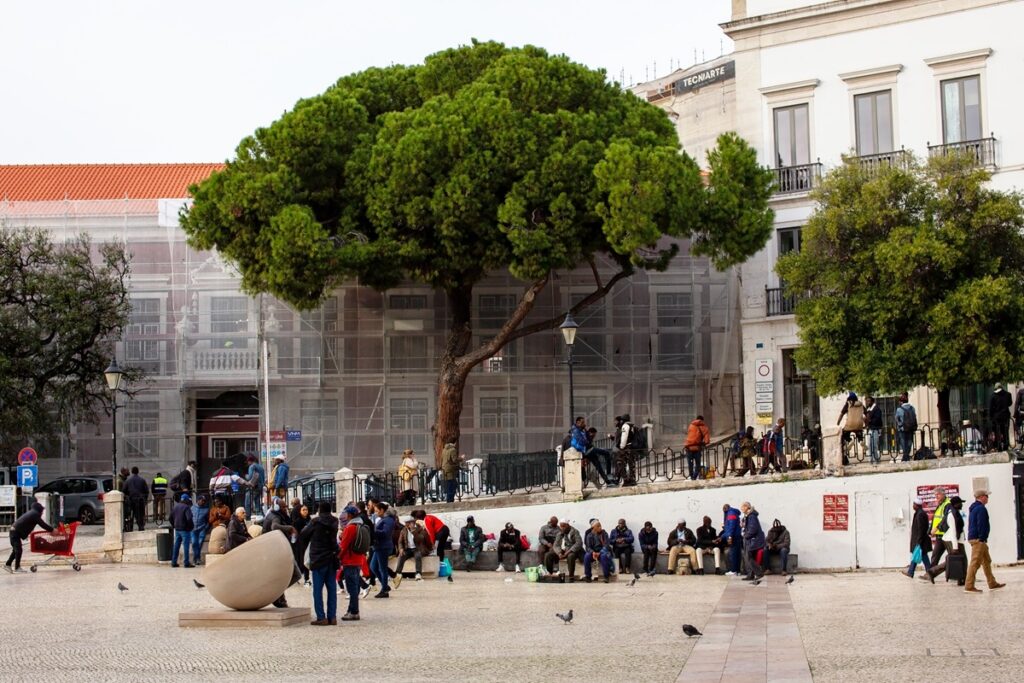
Portugal plans tougher immigration rules, including longer detention and faster deportations under a new proposal. Credit : Lena Chert, Shutterstock
Portugal is preparing to tighten its immigration system, with plans to hold migrants for longer and speed up deportations. The government has approved a new proposal that would extend detention periods to as much as 18 months in some cases, remove the formal step of voluntary departure, and make it harder to delay removal through legal appeals.
The draft law is now heading to parliament, but the direction is already clear: authorities want to deal more quickly with people found to be staying in the country without legal status.
Detention periods could stretch to 18 months under new plan
One of the most significant changes is how long someone can be held while awaiting removal.
At the moment, detention in temporary accommodation centres is capped at 60 days. Under the new proposal, that could rise to 360 days, with an additional 180 days allowed to ensure the deportation is actually carried out.
In practice, that means a person could be held for up to a year and a half.
The government says this is about making sure decisions are enforced, particularly in cases where removal has been delayed or complicated.
There are also plans to introduce alternatives to detention. These include things like financial guarantees, handing over travel documents, or staying in supervised accommodation instead of being held in closed centres.
Voluntary departure step set to disappear
Another change that stands out is the removal of the voluntary departure notification.
Until now, authorities had to formally give people the option to leave Portugal on their own before forcing a removal. That step would no longer be required.
Instead, the responsibility to leave would fall directly on the individual, without the same formal notice from authorities.
At the same time, the government says it still wants to encourage voluntary return programmes, which are seen as simpler and less costly than forced deportations.
Entry bans extended and appeals more limited
The proposal also tightens the consequences for those who are forcibly removed.
People who are deported could face a ban on returning to Portugal for up to five years, with longer bans possible in more serious situations.
At the same time, the government wants to reduce the scope for legal appeals, particularly where asylum applications are used to delay removal.
Under the new approach, applying for asylum would no longer stop removal proceedings from starting. In some cases, especially where the application is made after illegal entry, stricter measures could be applied while the case is being examined.
What happens to families and children
The draft law does include some limits.
Unaccompanied minors under 16 would not be expelled. When families are involved, parents could only be deported if they have committed serious crimes or are considered a threat to public order or national security.
If a deportation does go ahead, children would remain with their parents during the process.
There is also an indication that people who have lived in Portugal for at least five years may benefit from certain protections, depending on their situation.
Why the government says these changes are needed
According to the government, the current system can be slow and difficult to enforce.
Delays, repeated appeals and administrative steps can make it harder to carry out removal decisions. The proposed changes are meant to simplify the process and reduce the burden on public resources.
The law was approved by the Council of Ministers on 19 March, following a period of public consultation, and is now set to be debated in the Portuguese parliament.
What it means in practice
For most expats living legally in Portugal, these changes won’t affect day-to-day life.
But they do signal a shift in how the country is approaching immigration control – with a stronger focus on enforcement and faster procedures.
For those without legal status, however, the impact could be significant: longer detention, fewer procedural steps before removal, and fewer opportunities to delay the process.
The final details will depend on what happens in parliament. But if the law passes in its current form, Portugal’s immigration system could look quite different in the months ahead.
Sign up for personalised news
Subscribe to our Euro Weekly News alerts to get the latest stories into your inbox!
By signing up, you will create a Euro Weekly News account if you don't already have one. Review our Privacy Policy for more information about our privacy practices.





Farah Mokrani
Farah is a journalist and content writer with over a decade of experience in both digital and print media. Originally from Tunisia and now based in Spain, she has covered current affairs, investigative reports, and long-form features for a range of international publications. At Euro Weekly News, Farah brings a global perspective to her reporting, contributing news and analysis informed by her editorial background and passion for clear, accurate storytelling.
Comments