Drivers warned this common mistake can cost you 500 euros and 6 points
By Farah Mokrani • Updated: 31 Mar 2026 • 9:35 • 3 minutes read
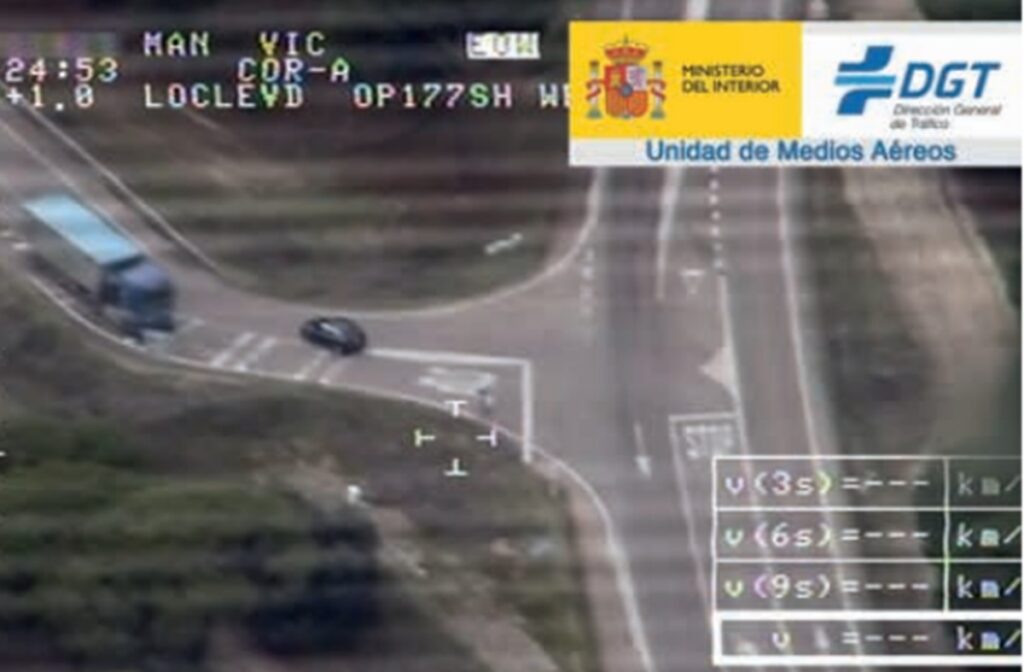
Dangerous junction turn caught by DGT leads to €500 fine and 6 points Credit : revista.dgt.es
Spain’s traffic authority has just dropped its latest magazine – and it reads less like a routine update and more like a reality check for drivers. Among the cases highlighted, one stands out because of how common it is: a simple mistake at a junction that could cost you €500 and six points on your licence.
It’s the kind of thing many people do without thinking. A quick shortcut, a slightly rushed turn… but according to the DGT, this is exactly the type of behaviour that can turn dangerous in seconds.
The junction shortcut that can land you in trouble
The example shared by the DGT is easy to picture.
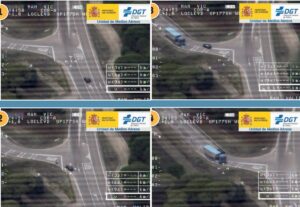
A driver approaches an intersection on a conventional road where turning left is allowed, controlled by a stop sign. So far, nothing unusual. But instead of stopping properly and completing the turn within their lane, the driver cuts across into the opposite lane – likely trying to shave off a few metres.
On paper, it might seem insignificant. In reality, it creates a high-risk situation.
In the footage referenced by traffic authorities, the driver not only skips the mandatory stop, but also ends up driving directly into the lane of oncoming traffic. Within seconds, a lorry approaching from the opposite direction is forced to brake hard to avoid a head-on collision.
That’s where a ‘small’ mistake becomes something much more serious.
Under Spanish traffic law, this falls under dangerous driving – which is why the penalty is steep: €500 and the loss of six points.
Credit : Revista.dgt.es
Why authorities are focusing on this behaviour
What makes this case particularly important is that it’s not rare.
It’s not reckless speeding or extreme behaviour – it’s everyday driving habits. The kind that happen when people feel comfortable, distracted, or just in a hurry.
The DGT’s message is clear: these small shortcuts are often behind the most dangerous situations on the road. It’s not always about high speeds, sometimes it’s about positioning, timing, and basic respect for the rules.
And when multiple small mistakes combine, not stopping, cutting lanes, misjudging distance, the risk increases fast.
Speeding: when it crosses into criminal territory
The magazine also highlights more extreme cases, particularly around speed.
In one example, two drivers were caught travelling at 217 km/h and 233 km/h. At those speeds, we’re no longer talking about fines, we’re in criminal territory.
According to Spanish law, this can lead to financial penalties calculated in months, prison sentences of three to six months, and even the loss of a driving licence.
Beyond the legal consequences, the DGT points to the real impact. In 2025 alone, 150 people died in road accidents where speed was a contributing factor, most of them on conventional roads.
Overtaking cyclists: more than just giving space
Another situation that comes up again and again is overtaking cyclists.
The rule is simple: leave at least 1.5 metres of space. If the road has more than one lane in each direction, you’re expected to change lanes completely.
But in practice, not everyone follows that.
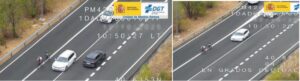
In the scenario described, a driver attempts to overtake two cyclists on a busy road without ensuring safe conditions and without signalling. That combination is enough to be considered a serious offence.
The penalty? €200 and four points.
And again, the consequences can be far worse. In 2025, 40 cyclists lost their lives on interurban roads in Spain, the vast majority on conventional routes.
Credit : revista.dgt.es
Mobile phones: still one of the biggest risks
It’s something everyone knows and yet it keeps happening.
Using a mobile phone while driving remains one of the leading causes of distraction-related accidents. Holding your phone behind the wheel will cost you €200 and six points, but the real risk goes far beyond that.
According to provisional figures, 178 people died in 2025 in accidents where distraction played a role, many of them involving vehicles leaving the road.
The DGT’s stance is straightforward: even a few seconds of distraction is enough.
What this means for drivers in Spain
If there’s one takeaway from the DGT’s latest update, it’s this: most of these penalties come from everyday behaviour.
Not stopping fully at a junction. Cutting slightly into another lane. Checking your phone for a second. Passing a cyclist a bit too closely.
None of it feels dramatic in the moment. But these are exactly the situations that lead to fines, points lost – and sometimes much worse.
Driving in Spain doesn’t require anything complicated. It’s about sticking to the basics: stop when you’re supposed to, stay in your lane, give space, and stay focused.
Because as these examples show, it’s often the smallest decisions on the road that end up having the biggest consequences.
Sign up for personalised news
Subscribe to our Euro Weekly News alerts to get the latest stories into your inbox!
By signing up, you will create a Euro Weekly News account if you don't already have one. Review our Privacy Policy for more information about our privacy practices.




Farah Mokrani
Farah is a journalist and content writer with over a decade of experience in both digital and print media. Originally from Tunisia and now based in Spain, she has covered current affairs, investigative reports, and long-form features for a range of international publications. At Euro Weekly News, Farah brings a global perspective to her reporting, contributing news and analysis informed by her editorial background and passion for clear, accurate storytelling.
Comments