Barcelona tourist tax hike goes into effect
By Natascha Rivera • Published: 01 Apr 2026 • 13:33 • 2 minutes read
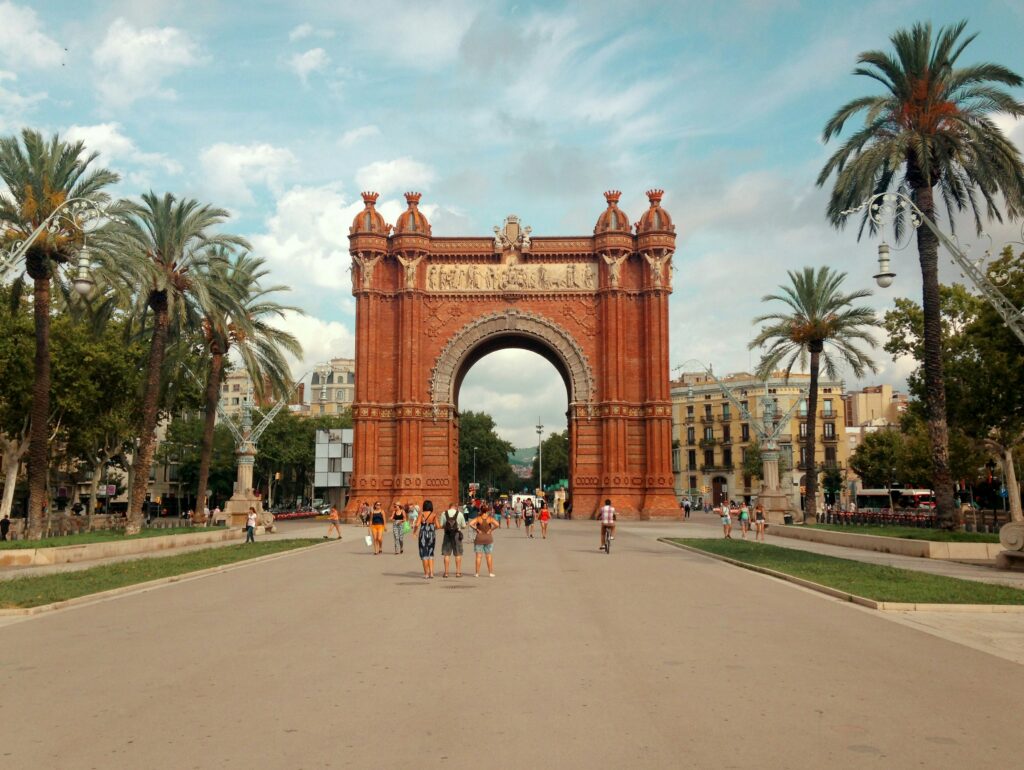
Barcelona raises tourist taxes sharply to tackle overtourism and housing. Photo Credit: Mattia Bericchia / Unsplash
Barcelona has long been one of Spain’s most vibrant tourist attractions. The sparkling Catalan capital welcomes some 15-16 million tourists annually, making it one of Europe’s most visited cities. However, a controversial decision to starkly increase the overnight tourist tax for visitors staying in Barcelona has come into effect on Wednesday, April 1.
The new tax hike: Hefty fines for visitors
From the first day of April, tourists staying in Barcelona will pay anywhere from €7.50 to €12 per night, depending on the hotel, as an overnight stay tax. Visitors staying in hotels in the city will see the most jarring increase, but the tax is also being applied elsewhere in Catalonia, with tax rates for luxury establishments rising from €3 to €4.50 until 2027.
Much to tourists’ dismay, the tax is also scheduled to continue increasing until March 31, 2027. Hotel guests would pay a maximum of €15, effectively doubling the tourist tax and making it one of the highest in Europe.
Additionally, the Barcelona City Council has approved the increase of the municipal surcharge €1 per year up to the maximum of an additional €8 in taxes by 2029.
Here is the current price breakdown for the additional tourist tax, depending on the hotel:
- Five-star hotels: €7.50 to €12
- Four-star hotels: €5.70 to €8.40
- General tourist accommodations: €6.25 to €9.50
- Hostels: €6
- Other establishments: €7
- Cruises: €11 for stays of fewer than 12 hours and €9 for stays exceeding 12 hours
What does this mean for visitors in Catalonia?
Those planning on visiting the famous capital of Catalonia should allot more space in their budget for these hefty taxes. One person staying for a week in a hotel in Barcelona, for instance, could face €84 in taxes alone, and the amount is set to continue rising.
A firm decision … but will it actually help?
The decision to hike the tax was proposed as a measure to finance affordable housing and curb the long-contested overtourism problem in Barcelona. Locals in the Catalan capital have been protesting the excessive numbers of tourists visiting the city annually, claiming that the holidaymakers spike housing prices and replace potential long-term housing with short-term holiday lets.
As it stands, some 25 per cent of the revenue collected by the tax will be put towards easing the housing crisis. The remaining 75 per cent is reported to go towards the Tourism Promotion Fund.
Tourist tax turmoil: Controversial from the start
Since its proposal, Catalonia’s decision to hike the tourist tax has been controversial. Critics claim the decision to funnel the funds back into the promotion of tourism is contradictory. However, Catalonia is largely dependent on tourism and the move is aimed at discouraging low-value and short-term tourism.
Naysayers, especially hoteliers in Catalonia, also claim that hiking the tourist tax will discourage tourists from coming altogether, especially in light of the recent increase of anti-tourism protests in Barcelona in 2025.
Preparing ahead of time for a busy peak season
Additionally, ahead of peak season, city officials in Barcelona are taking several measures in order to increase locals’ quality of life while still recognising its status as one of the most visited cities in the country. One such measure was the citywide pub crawl ban, which issued nearly 1,000 fines in its first week for alcohol-related infractions by tourists.
Whether the move will help to curb overtourism, ease the housing crisis, and attract longer-stay visitors to the shining Catalan capital is yet to be seen. Until then, locals are waiting with bated breath for a peak season free of chaos in 2026.
Sign up for personalised news
Subscribe to our Euro Weekly News alerts to get the latest stories into your inbox!
By signing up, you will create a Euro Weekly News account if you don't already have one. Review our Privacy Policy for more information about our privacy practices.


Natascha Rivera
Natascha is a Dominican writer based in Spain with a background in audiovisual and marketing communication. A lifelong reader and passionate storyteller, she brings a creative edge to her work at Euro Weekly News. Her multicultural perspective informs her coverage of lifestyle and community stories, offering fresh angles and relatable storytelling that connects with a diverse audience.
Comments