Calima dust storm causes air travel delays in Canary Islands
By Natascha Rivera • Published: 01 Apr 2026 • 11:14 • 2 minutes read
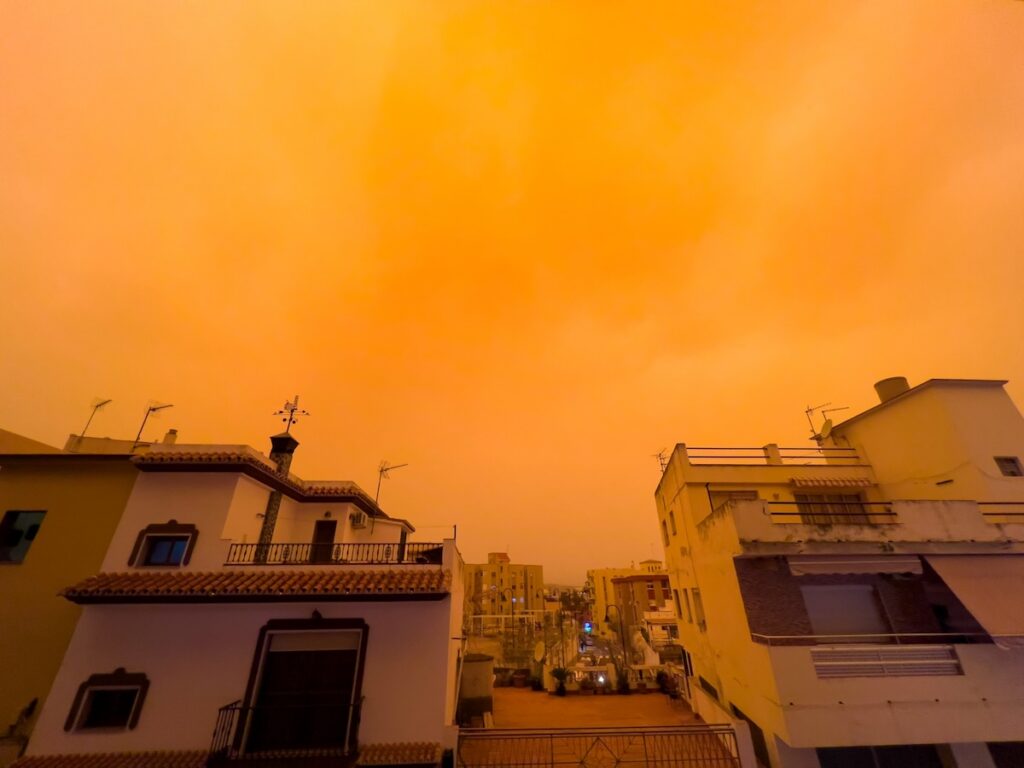
Dust storm disrupts Canary Islands travel, air quality improves soon Photo Credit: Petr Kratochvil / Public Domain Pictures
Spain’s idyllic Canary Islands kicked April off with an intense dust storm, which has significantly reduced air quality. The calima dust storm, which set off yellow weather warnings across the islands from Monday, March 30, has reduced visibility, caused warnings for tourists, and disrupted air travel.
An oppressive dust storm hits the Canary Islands
The calima dust storm, or haze, as it is also known, arrived across several islands from March 30 at around noon. Calima is described as a hot, oppressive dust storm in the Canary Islands region, originating from a warm, dry mass of air coming in from the Saharan desert.
The dust particles that settle due to the calima are known to cause respiratory issues for some people, especially those with pre-existing conditions. The poor conditions of visibility can also cause delays or even full stoppages of public transport and air travel, as in the case of the Canary Islands on Wednesday.
Air travel disrupted in the final days of March
To be specific, the storm has caused the diversion of three flights and the cancellation of seven others, particularly affecting routes between Tenerife, La Palma, El Hierro, and Gran Canaria.
The storm has also affected residents in all areas of the Canary Islands, from the coasts to the peaks of its mountains. In some parts, the concentration of dust exceeded 100 micrograms per cubic metre, and visibility was reduced to 3,000 metres in certain areas.
Authorities warn residents to stay indoors
Residents and visitors of the Canary Islands have been warned to stay indoors and avoid staying outdoors for extended periods of time, avoid driving, stay hydrated and keep their windows shut to protect themselves against the incoming Saharan dust. Residents have also been warned to avoid excessive physical exertion during the storm.
Authorities warned about the adverse effects of the storm, which particularly affect these vulnerable groups of people:
- Minors
- Elderly people
- Those with chronic respiratory or cardiac conditions, including asthma or bronchitis
- Pregnant women
- People who work outdoors
- Smokers
The worst is over for the Canary Islands
Luckily, however, the worst is likely over for the Canary Islands when it comes to this calima. Experts have pointed out that peak temperatures have already been reached, usually signalling the end of the calima phenomenon. Spain’s State Meteorological Agency, AEMET, notes that the air will gradually clear on Wednesday, April 1, especially in the easternmost islands, providing a bit of respite – and finally, some fresh air – for locals and visitors on the Canary Islands.
After the calima fully passes, weather on the Canary Islands is expected to remain mild and pleasant. Winds will gradually weaken, conditions will stabilise, and residents will once more be able to resume outdoor activities and open their windows without the risk of fine dust settling in their homes.
Sign up for personalised news
Subscribe to our Euro Weekly News alerts to get the latest stories into your inbox!
By signing up, you will create a Euro Weekly News account if you don't already have one. Review our Privacy Policy for more information about our privacy practices.




Natascha Rivera
Natascha is a Dominican writer based in Spain with a background in audiovisual and marketing communication. A lifelong reader and passionate storyteller, she brings a creative edge to her work at Euro Weekly News. Her multicultural perspective informs her coverage of lifestyle and community stories, offering fresh angles and relatable storytelling that connects with a diverse audience.
Comments