Greyhound racing set to become illegal in Wales under new law
By Molly Grace • Published: 01 Apr 2026 • 21:27 • 3 minutes read
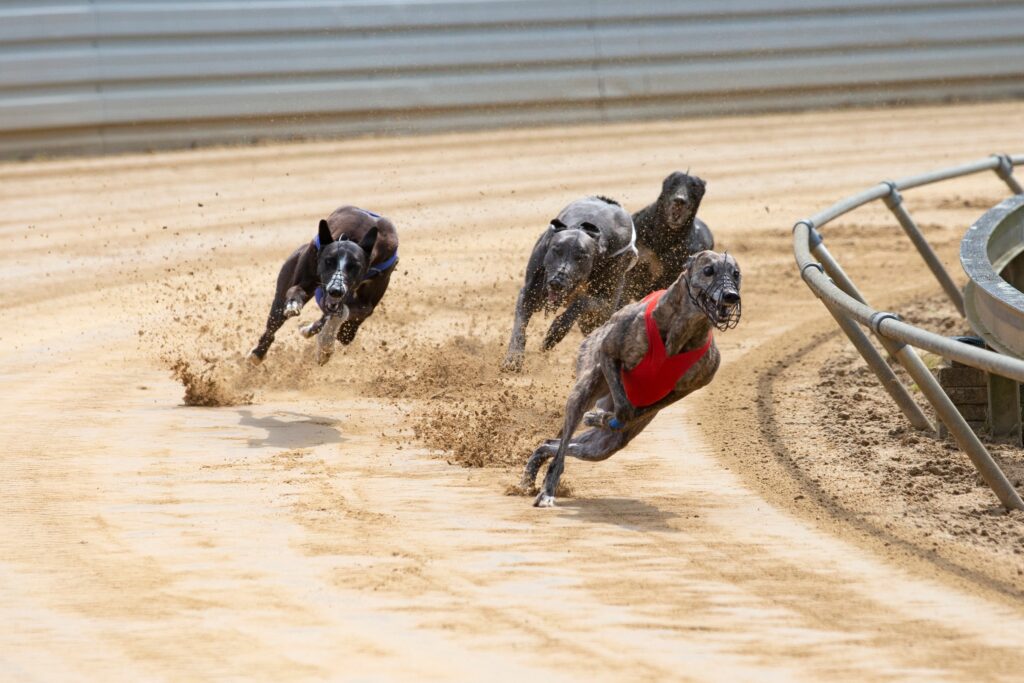
the legislation includes a transition period to allow those involved in the industry time to adjust. Photo credit: Michar Peppenster/Shutterstock
Greyhound racing is set to be banned in Wales following a vote in the Senedd in March this year, where members approved legislation to prohibit the sport. The measure, titled the Prohibition of Greyhound Racing (Wales) Bill, received majority support, marking a significant change in the regulation of animal sports within the country.
The vote passed with 39 members in favour, 10 against and two abstentions. The legislation will make it illegal to operate greyhound racing tracks or organise races once it comes into force. The Welsh Government has stated that the move is intended to address concerns relating to animal welfare.
Timeline for implementation
The ban will not take effect immediately. Instead, the legislation includes a transition period to allow those involved in the industry time to adjust. Current plans indicate that the law will be implemented between April 2027 and April 2030.
During this period, greyhound racing may continue under existing regulations, but preparations will be made for its phased withdrawal. This approach is designed to give businesses, employees and associated organisations time to plan for closure or transition into alternative activities.
Wales currently has a small number of active greyhound racing venues, and the phased timeline reflects the need to manage the impact on those directly affected.
Reasons behind the decision
The Welsh Government has cited animal welfare as the primary reason for introducing the ban. Concerns have been raised over the treatment of racing greyhounds, including injury rates and the conditions in which some animals are kept during and after their racing careers.
Supporters of the legislation argue that existing regulatory frameworks are not sufficient to address these concerns. They maintain that prohibiting the activity entirely is the most effective way to ensure the welfare of the animals involved.
Animal welfare organisations have welcomed the decision, stating that it represents a change in how the use of animals in sport is approached in Wales.
Opposition and industry concerns
The proposal has faced opposition from within the greyhound racing industry and from some political representatives. Critics argue that the sport is already subject to regulation and that further improvements could be made without introducing a full ban.
Concerns have also been raised about the potential economic impact. Those involved in the industry, including track operators, trainers and associated staff, may face job losses as a result of the legislation. Some stakeholders have called for additional support measures during the transition period.
There have also been legal challenges to the legislation. A recent court challenge seeking to prevent the ban from proceeding was unsuccessful, allowing the Welsh Government to continue with its plans.
Position within the United Kingdom
Once implemented, the ban will make Wales the first nation in the United Kingdom to prohibit greyhound racing. The sport remains legal in England, Scotland and Northern Ireland, although it is subject to varying levels of regulation across these jurisdictions.
The decision in Wales has prompted discussion about whether similar measures could be considered elsewhere in the UK. At present, there has been no confirmation of equivalent legislation being introduced in other regions.
Legislative scope and enforcement
Under the new law, it will become an offence to organise greyhound racing events or operate facilities for that purpose. Details of enforcement and penalties will be set out as the legislation progresses through its final stages and into implementation.
The Welsh Government is expected to work with local authorities and relevant agencies to ensure compliance once the ban comes into force. Guidance for those affected by the legislation is likely to be issued as part of the transition process.
What happens next
The bill has now passed the Senedd vote and will move towards implementation in line with the proposed timeline. Further detail is expected regarding support for those leaving the industry and the practical arrangements for ending greyhound racing in Wales.
In the meantime, greyhound racing will continue under existing rules until the legislation takes effect. The phased approach allows time for adjustments while confirming that the activity will ultimately be brought to an end.
The decision marks a change in policy that places animal welfare considerations at the centre of the regulation of this sport in Wales.
Sign up for personalised news
Subscribe to our Euro Weekly News alerts to get the latest stories into your inbox!
By signing up, you will create a Euro Weekly News account if you don't already have one. Review our Privacy Policy for more information about our privacy practices.



Molly Grace
Molly is a British journalist and author who has lived in Spain for over 25 years. With a background in animal welfare, equestrian science, and veterinary nursing, she brings curiosity, humour, and a sharp investigative eye to her work. At Euro Weekly News, Molly explores the intersections of nature, culture, and community - drawing on her deep local knowledge and passion for stories that reflect life in Spain from the ground up.
Comments