Accidents involving electric scooters rise by nearly 40% in Spain
By Molly Grace • Published: 02 Apr 2026 • 21:03 • 2 minutes read
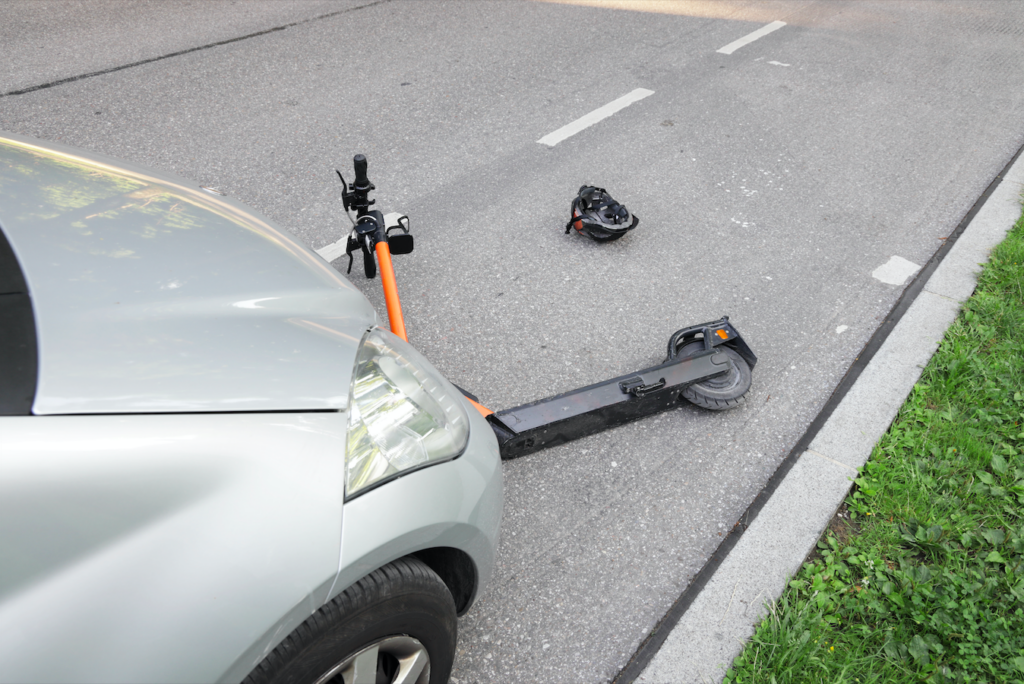
Emergency services continue to respond to a growing number of incidents involving scooters. Photo credit: Ewa Leon/Shutterstock
Accidents involving electric scooters increased again in Spain in 2025, according to newly released data from the Fundación Mapfre. The figures show a clear rise in both incidents and casualties compared with the previous year, continuing an upward trend in road safety concerns linked to personal mobility vehicles.
A total of 549 accidents involving electric scooters were recorded during 2025. These incidents resulted in 572 people injured and 19 fatalities, marking a notable increase from 2024. The rise represents a 38.6 per cent increase in accidents, making it the second consecutive year in which siniestralidad linked to scooters has grown.
The report highlights that most accidents were the result of collisions with other vehicles, accounting for 64.7 per cent of cases. Other causes included falls and incidents involving pedestrians. The data reflects the growing presence of scooters in urban areas, where they are frequently used for short-distance travel.
Urban mobility growth linked to rising risk
Electric scooters have become a common feature in Spanish cities in recent years, offering an alternative to cars and public transport. Their increased use, however, has been accompanied by a higher number of accidents, particularly in densely populated areas.
The figures indicate that urban environments remain the primary setting for incidents, where interaction with cars, buses and pedestrians is more frequent. The combination of higher traffic density and varying levels of rider experience has contributed to the rise in collisions.
Authorities and safety organisations have pointed to inconsistent compliance with traffic rules as a contributing factor. This includes issues such as riding on pavements, failure to use protective equipment and ignoring traffic signals. These behaviours increase the likelihood of accidents, particularly in shared spaces.
Fatalities and injuries highlight safety concerns
The number of fatalities recorded in 2025 underlines the seriousness of the issue. The 19 deaths linked to scooter accidents reflect the vulnerability of riders, who lack the physical protection afforded by cars or other enclosed vehicles.
Injuries ranged from minor to severe, with many cases involving head trauma and fractures, according to the data. The absence of mandatory helmet use in some areas has been cited as a factor influencing the severity of injuries sustained in accidents.
Emergency services continue to respond to a growing number of incidents involving scooters, placing additional pressure on urban healthcare systems. The increase in casualties has prompted renewed attention from road safety bodies.
Regulatory framework and enforcement
Spain has introduced regulations governing the use of electric scooters, classifying them as vehículos de movilidad personal (Personal mobility vehicles or PMV). These rules set speed limits, restrict use on certain roads and prohibit riding under the influence of alcohol.
Despite this framework, enforcement varies between municipalities. Some cities have implemented stricter local measures, including designated parking zones and restrictions on where scooters can be used. Others rely on national guidelines with limited additional controls.
The data suggests that regulation alone has not halted the rise in accidents, raising questions about the effectiveness of enforcement and public awareness. Authorities continue to assess whether further measures are required to improve safety.
Ongoing monitoring of scooter-related incidents
The findings from Fundación Mapfre form part of ongoing efforts to track the impact of electric scooters on road safety in Spain. The organisation compiles annual data to monitor trends and identify risk factors associated with their use.
The continued increase in accidents indicates that the issue remains unresolved. As scooters become further integrated into urban transport systems, attention is expected to remain focused on how to reduce the number of incidents and limit their consequences.
For now, the latest figures confirm that 2025 saw a further rise in accidents involving electric scooters, reinforcing concerns among safety experts and public authorities about their impact on Spain’s roads.
Sign up for personalised news
Subscribe to our Euro Weekly News alerts to get the latest stories into your inbox!
By signing up, you will create a Euro Weekly News account if you don't already have one. Review our Privacy Policy for more information about our privacy practices.



Molly Grace
Molly is a British journalist and author who has lived in Spain for over 25 years. With a background in animal welfare, equestrian science, and veterinary nursing, she brings curiosity, humour, and a sharp investigative eye to her work. At Euro Weekly News, Molly explores the intersections of nature, culture, and community - drawing on her deep local knowledge and passion for stories that reflect life in Spain from the ground up.
Comments