Ryanair warns flights could be disrupted soon as fuel crisis risk grows
By Farah Mokrani • Published: 02 Apr 2026 • 10:58 • 3 minutes read
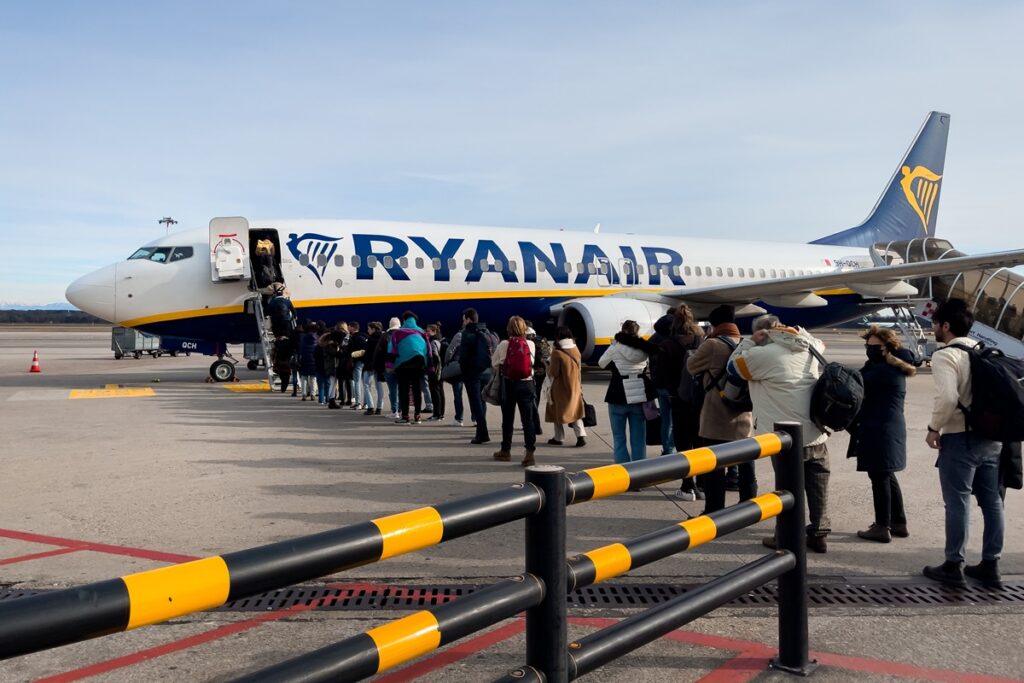
Ryanair warns flights could be affected as fares set to rise Credit : Mounir Taha, Shutterstock
While most people are focusing on Easter travel, Ryanair has issued a warning that flights in May and June could be affected – and ticket prices may soon increase. The airline says the situation depends on what happens next in the Strait of Hormuz, a key route for global fuel supplies.
For now, flights are running normally. But behind the scenes, there’s growing concern about jet fuel deliveries, which could start to impact schedules and fares in the coming weeks if disruptions continue.
What Ryanair is saying – and why it matters now
Speaking at a press conference, Ryanair CEO Michael O’Leary didn’t sugar-coat the situation.
He explained that if tensions affecting the Strait of Hormuz ease in the coming weeks – particularly by mid or late April – fuel supplies should remain stable, and passengers are unlikely to notice any difference.
But if the situation drags on, the impact could start to show fairly quickly.
According to O’Leary, between 10 per cent and 25 per cent of Ryanair’s fuel deliveries could be affected in May and June if the disruption continues. That’s not a small margin, especially as airlines begin gearing up for the busy summer season.
It doesn’t mean flights will suddenly stop. But it does mean the risk of cancellations or adjustments increases, depending on how the situation develops.
Why the Strait of Hormuz matters for your flight
The issue might feel far away, but it connects directly to European travel.
The Strait of Hormuz is one of the most important shipping routes in the world for oil and aviation fuel. A significant share of global energy supplies passes through that narrow stretch of water.
If traffic there is restricted, even temporarily, it affects how fuel is delivered – and how much it costs.
Airlines don’t store unlimited fuel. They rely on steady supply chains. So when those chains are disrupted, the effects tend to ripple through the system.
That’s why Ryanair is watching the situation closely. It’s not about what’s happening today – it’s about what might happen a few weeks down the line, once existing reserves start to run down.
No cancellations yet – but the next few weeks are key
At the moment, there’s no immediate disruption for passengers.
Ryanair has confirmed that all flights are operating as scheduled, and the airline still has enough fuel secured to maintain operations in the short term.
That’s why travellers flying over Easter are unlikely to notice any difference.
But May and June are a different story.
If supply issues continue into late April, airlines may need to make decisions – whether that’s adjusting schedules, reducing capacity or prioritising certain routes.
The closer we get to summer, the more pressure builds. Demand rises, flights fill up, and there’s less room for flexibility.
Why ticket prices could go up soon
Even if your flight isn’t cancelled, you could still feel the impact in your wallet.
Fuel is one of the biggest costs for airlines, and when supply tightens, prices usually follow. That’s already starting to happen.
The International Air Transport Association (IATA) has warned that ticket prices could rise by up to 9 per cent if the situation continues. Some airlines have already started adjusting fares.
For passengers, that could mean higher prices for last-minute bookings or peak travel dates, particularly heading into summer.
It’s not a sudden spike overnight – more a gradual increase as airlines react to rising costs.
What travellers should do right now
There’s no need to panic or change your Easter plans. Flights are still running, and there’s no wave of cancellations.
But if you’re planning to travel in May or June, it may be worth keeping a closer eye on prices and availability.
Booking earlier could help avoid potential increases, especially on popular routes between Spain and the rest of Europe.
It’s also worth checking your airline’s updates closer to your travel date, particularly if the situation in the Strait of Hormuz hasn’t improved.
A situation that could shift quickly
Everything is still operating normally till now. But the next couple of weeks will be crucial.
If fuel routes stabilise, the impact may remain limited. If not, airlines like Ryanair may have to adjust – first through pricing, and potentially later through schedules.
Sign up for personalised news
Subscribe to our Euro Weekly News alerts to get the latest stories into your inbox!
By signing up, you will create a Euro Weekly News account if you don't already have one. Review our Privacy Policy for more information about our privacy practices.





Farah Mokrani
Farah is a journalist and content writer with over a decade of experience in both digital and print media. Originally from Tunisia and now based in Spain, she has covered current affairs, investigative reports, and long-form features for a range of international publications. At Euro Weekly News, Farah brings a global perspective to her reporting, contributing news and analysis informed by her editorial background and passion for clear, accurate storytelling.
Comments