Bizum goes contactless: from May, you’ll be able to pay in shops across Spain
By Farah Mokrani • Published: 03 Apr 2026 • 15:02 • 3 minutes read
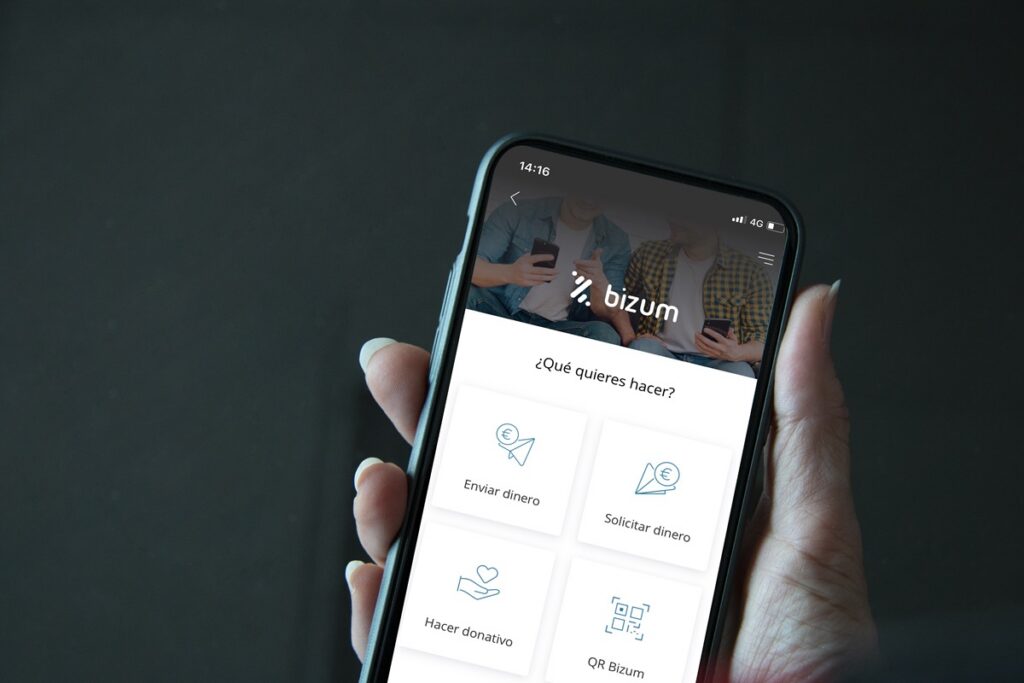
Bizum goes contactless as in-store payments arrive in Spain Credit : Cromavision, Shutterstock
If you live in Spain, chances are you already use Bizum to split a bill or send money in seconds. But from May 2026, that same app will take a big step forward – letting you pay directly in physical shops, just like you would with a bank card or Apple Pay.
It’s a change that could quietly reshape how people pay day to day. And with nearly 30 million users already on board, Bizum isn’t starting from scratch.
From sending money to paying in stores: Bizum’s next move
For years, Bizum has been the go-to tool for quick transfers between friends. Need to pay someone back? You send a Bizum. Simple.
But things have been evolving behind the scenes. The platform has already expanded into online shopping and donations, and now it’s moving into the space that really matters: in-store payments.
From May, users will be able to pay at physical tills using their phone, bringing Bizum into direct competition with traditional card payments and mobile wallets.
And the scale is already there. Bizum currently has 29.5 million users, 39 affiliated banks, 90,000 online shops and over 12,500 organisations accepting payments or donations.
How Bizum payments in shops will actually work
The new system will rely on NFC technology, the same contactless system used for card payments today.
In practice, it’s straightforward:
- You open your banking app or the Bizum Pay app
- You bring your phone close to the payment terminal
- The payment goes through instantly
In many cases, you won’t even need to enter a PIN, depending on the amount – just like contactless cards.
One detail that stands out is that payments can still go through even if your connection drops. Whether it’s a network issue or a wider outage, the system is designed to keep working – something that could make a difference in busy environments.
Why this matters: Bizum is targeting the biggest part of the market
Sending money between friends is useful, but it’s not where the real money flows.
The biggest volume of payments happens in physical shops, and that’s exactly where Bizum is heading next. By entering this space, Spanish banks are clearly aiming to take a share from card networks and big tech platforms.
There’s also a practical difference in how the money moves.
With Bizum, payments in shops will be processed as instant bank transfers between the customer and the business. That means the money arrives immediately in the shop’s account, unlike some card payments that can take longer depending on the contract.
What it means for shops – especially small businesses
For businesses, especially smaller ones, this shift could be significant.
Banks are expected to charge lower fees than traditional card payments, which could make Bizum more attractive to independent shops that often pay higher commissions.
That alone could encourage wider adoption – particularly in places where margins are tight.
And because the system works through existing bank apps, there’s no need for customers to sign up for something completely new.
Bizum is already bigger than you might think
The move into physical shops isn’t happening in isolation.
Bizum has already proven it can handle high volumes. In 2025 alone, more than 105 million online transactions were carried out using the system.
What started as a simple way to send money has gradually become a full payment ecosystem – and this latest step brings it much closer to replacing the everyday bank card for many users.
What this means for you at the checkout
From May onwards, paying in Spain could feel a bit different.
Instead of reaching for your wallet, you might find yourself using Bizum for everything – from a coffee to your weekly shop.
For expats and regular visitors, it’s another reminder that Spain’s payment habits are evolving quickly, but not always in the same way as other countries.
Cards aren’t going anywhere just yet. But Bizum is clearly positioning itself as a serious alternative – and one that’s already in millions of pockets.
Sign up for personalised news
Subscribe to our Euro Weekly News alerts to get the latest stories into your inbox!
By signing up, you will create a Euro Weekly News account if you don't already have one. Review our Privacy Policy for more information about our privacy practices.



Farah Mokrani
Farah is a journalist and content writer with over a decade of experience in both digital and print media. Originally from Tunisia and now based in Spain, she has covered current affairs, investigative reports, and long-form features for a range of international publications. At Euro Weekly News, Farah brings a global perspective to her reporting, contributing news and analysis informed by her editorial background and passion for clear, accurate storytelling.
Comments