Spanish residency appointments chaos: Con artists call into question government preparedness ahead of 500,000
By Adam Woodward • Published: 03 Apr 2026 • 17:58 • 2 minutes read
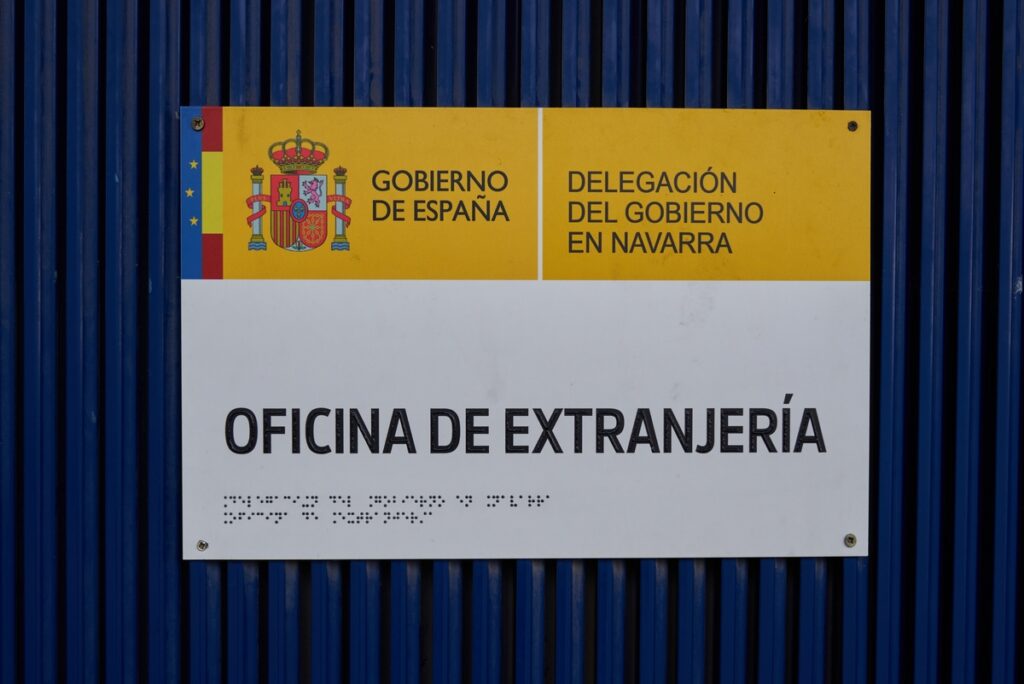
Swamped foreigners offices in Spain. Credit: Jose Gulias - Shutterstock
Desperate people seeking legal residence status in Spain frequently turn to illegal brokers out of pure desperation for appointments at immigration offices. Scammers are out there exploiting severe shortages in the cita previa (advance appointments) system for Extranjería (Foreign residents) procedures, charging between €50 and €200 for slots that authorities provide at no cost.
Appointment scarcity has clearly led this underground trade. Police have dismantled multiple criminal networks that use bots to hoard slots before reselling them. The appointments are available online, but due to their scarcity, would-be applicants often have to spend weeks online refreshing the tech webpage for any to become available. But, as the scammers use automated bots which are far faster than the human finger on a keyboard they may get the appointments when they appear but may or may not pass them on to a genuine person when they pay for them on the black market.
Illegal trade targets asylum seekers
Renewals of provisional documents, known as the tarjeta roja for international protection applicants, become critical when the expiry dates are looming. Without valid papers, individuals lose access to work permits, healthcare, and social support. Experts from refugee organisations say delays like this violate European directives requiring registration within days.
Major cities face extreme delays
Wait times stretch painfully long across Spain. Applicants in Madrid and Barcelona often endure eight to 14 weeks before managing to get a cita previa. Smaller provinces generally offer quicker access, sometimes within days.
Half a million undocumented migrants prepare to apply
Spain’s extraordinary regularisation programme will open in April 2026. Up to 500,000 undocumented migrants who arrived before the end of 2025 can apply for one-year residence and work permits until June 30. This sudden surge risks overwhelming already strained offices handling routine residence applications.
Authorities promise additional resources
Government officials say they plan to deploy temporary staff and extend office hours to manage the expected influx. Applications may route through post offices and Social Security branches in addition to standard channels. Plans also include modernised digital systems featuring personalised codes designed to block automated bots, but there is so far no date for this.
The last time the Spanish government had a regularisation process of migrants of this magnitude, in 2005, government departments were overwhelmed, immigration offices were only able to handle a small amount of cases per day, leading to round the block queues and some even waiting all night to be seen.
Scammers use multiple tactics against applicants
Common frauds involve fake appointments that never materialise after payment. Brokers operate openly on platforms such as Wallapop or through WhatsApp groups promising instant slots. Some intermediaries disappear entirely once any money changes hands via instant transfers.
Simple precautions protect applicants
Individuals should book exclusively through the official government portal. Authorities provide alternative contact methods like dedicated phone lines in high-demand provinces. Consulting reputable immigration lawyers offers legitimate assistance without feeding illegal markets.

Credit: BrilliantLlama7544 FB
Sign up for personalised news
Subscribe to our Euro Weekly News alerts to get the latest stories into your inbox!
By signing up, you will create a Euro Weekly News account if you don't already have one. Review our Privacy Policy for more information about our privacy practices.





Adam Woodward
Adam is a writer who has lived in Spain for over 25 years. With a background in English teaching and a passion for music, food, and the arts, he brings a rich personal perspective to his work at Euro Weekly News. As a father of three with deep roots in Spanish life, Adam writes engaging stories that explore culture, lifestyle, and the everyday experiences that shape communities across Spain.
Comments