Heavy traffic alert: Where and when will the traffic be most complicated for the post-Easter return?
By Adam Woodward • Published: 05 Apr 2026 • 9:55 • 2 minutes read
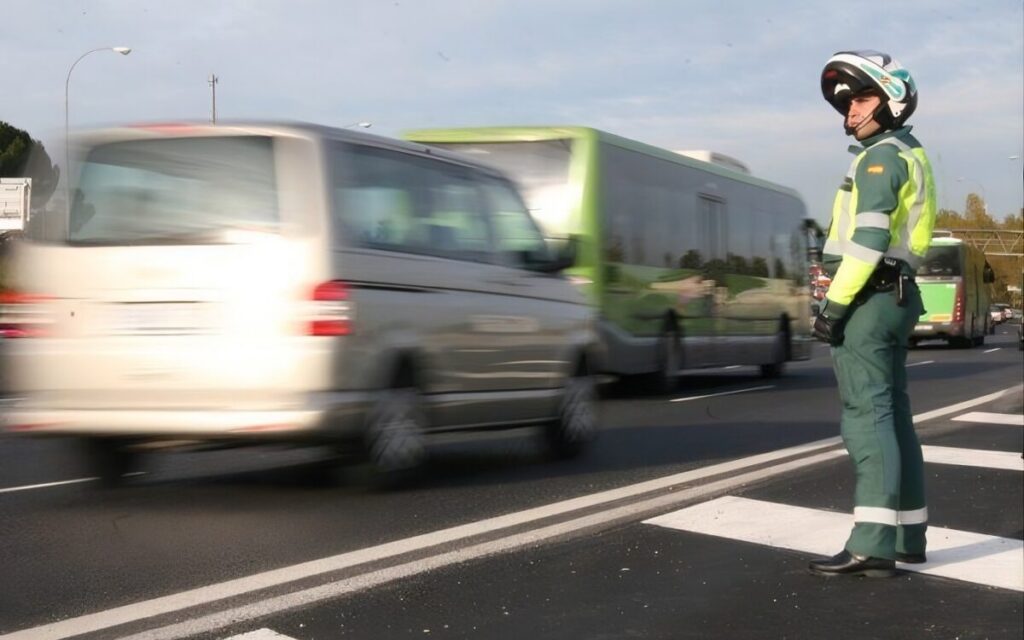
Guardia Civil on full alert for post-Easter return. Credit: GC FB
Drivers returning home after the Easter holidays are likely to face significant delays on Spain’s busiest motorways. “Operación Retorno”, as it is known in Spain, will suffer heavy traffic volumes today as millions complete their journeys. For those flying, the advice is to leave plenty of time before your flight as airports will fill out as many need to return from their Easter break.
Peak congestion strikes southern motorways today
Southern regions will likely see most complications with Easter holidays finishing today. Expect intense traffic, particularly on the A-4 and A-5 motorways connecting Andalucia to Madrid and further. Additional pressure on Monday, April 6 is expected to build on the A-7 coastal route through Murcia and towards the Valencia areas plus associated access roads to tourist spots and second homes. Peak hours are due to run after lunch from 4pm to 11pm, with serious bottlenecks likely.
Further delays loom on Monday for eastern routes
Monday brings a bank holiday in parts of the east, including the autonomous region of Valencia. Drivers in those areas will experience the most heightened difficulties then, especially along the A-3 and A-7 motorways as returns extend into the new week. Coastal AP-7 sections also will continue busy with local movements crossing over with longer trips.
Guardia Civil ramping up strict vigilance
Guardia Civil agents from the Traffic Group deploy widely together with DGT personnel to monitor compliance. Helicopters and drones are going to be out there to provide aerial oversight on main routes. This weekend, authorities will be focusing enforcement on speeding, mobile phone use and other distractions while promoting safe driving practices. One special campaign the DGT (Spanish traffic authority) always concentrates on at this time of year is random breath test stops.
Precautions help safer travel
Planning journeys carefully helps avoid the worst delays. Checking live traffic updates via the DGT website and app. Maintaining safe distances, adhering to appropriate speeds and eliminating mobile phone distractions rank among top priorities. Fixed and mobile cameras will be checking that all occupants are wearing seat belts with proper child restraints fitted correctly.
Extra caution required on secondary roads
Secondary roads present higher risks during this period where most serious incidents occur. Fatigue from holiday activities adds danger, so drivers should remain alert, especially near coastal towns where short local trips cross over with returning traffic.
Following these guidelines minimises risks during the busy Operación Retorno period. Safe driving practices contribute to smoother journeys for everyone.
DGT and Guardia Civil begin Christmas breathalyser campaign: How much alcohol is too much in Spain?
Sign up for personalised news
Subscribe to our Euro Weekly News alerts to get the latest stories into your inbox!
By signing up, you will create a Euro Weekly News account if you don't already have one. Review our Privacy Policy for more information about our privacy practices.




Adam Woodward
Adam is a writer who has lived in Spain for over 25 years. With a background in English teaching and a passion for music, food, and the arts, he brings a rich personal perspective to his work at Euro Weekly News. As a father of three with deep roots in Spanish life, Adam writes engaging stories that explore culture, lifestyle, and the everyday experiences that shape communities across Spain.
Comments