Got a job in Spain? Read this before you sign anything
By Farah Mokrani • Published: 06 Apr 2026 • 23:43 • 4 minutes read
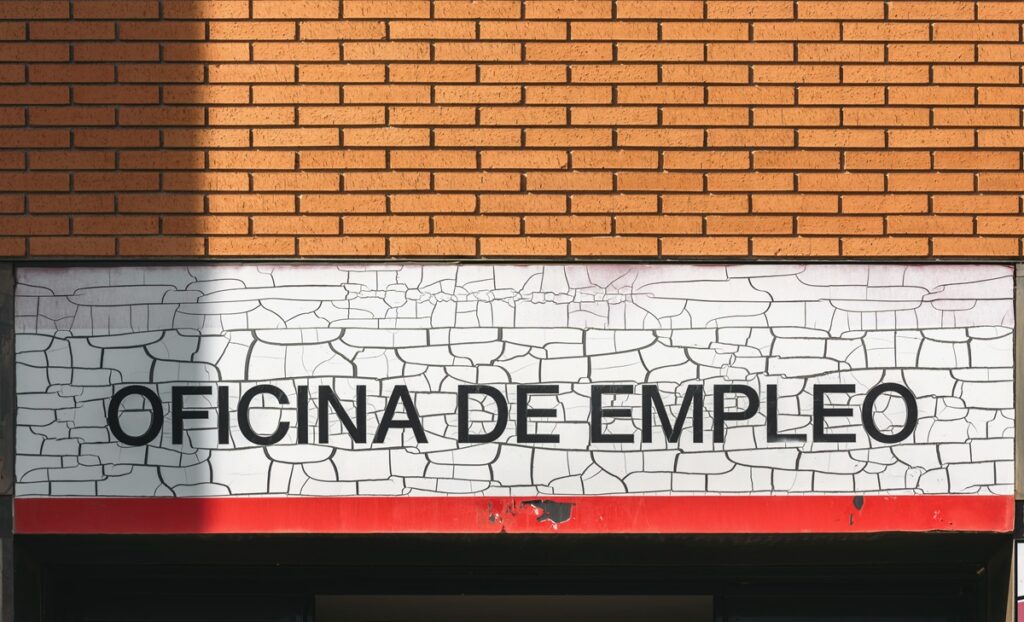
Understanding job contracts is key when working in Spain Credit : Alexandre Rotenberg, Shutterstock
If you’ve just landed a job in Spain, it’s tempting to skim the contract, sign it and move on. But here’s the reality: that document will shape almost every part of your working life – from your salary and hours to your holidays, sick leave and even how your job can end.
And this is where many expats get caught out. On the surface, contracts can look straightforward. In practice, small details – or missing ones – can make a big difference later.
So before you put your name on anything, here’s what you actually need to know.
What a Spanish employment contract should clearly include
A proper contract in Spain isn’t supposed to be vague. The basics should be spelled out clearly, not left open to interpretation.
You should be able to identify, without guessing:
- what your role is
- when you start
- how many hours you’re expected to work
- how much you’ll be paid (and how it’s calculated)
- whether the job is permanent, temporary or part-time
- how long your probation period lasts
- how many holidays you’re entitled to
If any of that feels unclear, it’s worth asking questions before signing.
One line people often overlook is the reference to a collective agreement (convenio colectivo). It might not look important, but it often is. That agreement can set rules on pay, overtime, working conditions and more – sometimes giving you better rights than the contract itself suggests.
The type of contract matters more than you think
In Spain today, not all contracts are created equal – and the old ‘temporary vs permanent’ idea doesn’t tell the full story anymore.
An indefinite contract is now the standard. It simply means there’s no fixed end date. It doesn’t make your job untouchable, but it does mean your employer can’t just end it because a deadline has been reached.
Then there’s the fixed-discontinuous contract, which often confuses newcomers. You’re technically on a permanent contract, but you only work during certain periods of the year – common in tourism, hospitality or seasonal sectors.
Temporary contracts still exist, but they’re more tightly controlled. Employers need a specific legal reason to use them, like covering a short-term workload increase or replacing someone temporarily.
If a job feels ongoing but you’re offered short contracts back-to-back, it’s something to question.
Salary in Spain: why the numbers can be misleading
One of the first surprises for many expats is how salary is presented.
In Spain, it’s common to see salaries split into 14 payments instead of 12, with extra payments usually made in summer and at Christmas.
That means two job offers can look very different at first glance, even if the total yearly pay is similar.
Before you agree to anything, check:
- whether the salary is gross or net
- whether it’s quoted monthly or annually
- whether those extra payments are included or separate
If you’re unsure, ask for the annual gross salary. It’s the clearest way to compare offers.
Working hours, holidays and probation: what’s normal
The standard working week in Spain is up to 40 hours on average, but actual schedules vary a lot depending on the job.
Your contract should make it clear if you’re working fixed hours, shifts, weekends or split days.
When it comes to holidays, the legal minimum is 30 calendar days per year. In some sectors, this may be calculated differently or slightly improved through the collective agreement.
Probation periods are also common. Typically:
- up to six months for more qualified roles
- shorter for other positions
During this time, either side can end the contract more easily – but you’re still fully employed, with the same rights to pay and protection.
Sick leave and rights you won’t always see written down
One thing that often surprises people is that contracts don’t usually list a number of sick days.
In Spain, if you’re ill, you go through a medical leave process, and your income is covered through Social Security rather than a fixed number of employer-paid days.
The details can vary depending on your situation and your sector, especially if your collective agreement improves the standard conditions.
Family-related rights have also changed over time, so if something in your contract sounds outdated, it’s worth double-checking.
Can your employer change your role later?
Not whenever they feel like it.
Employers do have some flexibility, but significant changes to your role, working hours or workplace are regulated. If the job starts drifting away from what you agreed, that’s not automatically acceptable.
The contract – along with the collective agreement – sets the boundaries.
How contracts end in Spain – and what to expect
There isn’t just one way for a contract to end, and the outcome depends on the situation.
If you resign, you’ll usually need to give notice, which is set in your contract or sector rules.
If you’re on a valid temporary contract, it can end when the reason for it ends.
Dismissals are more structured. If a dismissal is later considered unfair, compensation is generally calculated as 33 days of salary per year worked, up to a legal limit.
At the end of your employment, you’ll likely receive a finiquito – a final settlement covering unpaid salary, unused holiday and other pending amounts. It’s important to understand that this is not the same as compensation, even though the two are often confused.
Red flags worth paying attention to
Some warning signs are easy to miss in the moment but can cause problems later.
Be cautious if:
- the contract type isn’t clearly explained
- the salary is vague or only discussed verbally
- the job described doesn’t match what you were told
- you’re asked to start before paperwork is finalised
If something feels unclear now, it usually won’t become clearer later.
Why taking your time matters
Spain’s employment system is detailed and structured. That can actually work in your favour – but only if you understand what you’re signing. A contract isn’t just a formality. It sets the rules for your job from day one.
So before you sign, take a moment. Read it properly. Ask questions if you need to. Because once it’s signed, those details aren’t just words on a page – they define your day-to-day working life.
Sign up for personalised news
Subscribe to our Euro Weekly News alerts to get the latest stories into your inbox!
By signing up, you will create a Euro Weekly News account if you don't already have one. Review our Privacy Policy for more information about our privacy practices.





Farah Mokrani
Farah is a journalist and content writer with over a decade of experience in both digital and print media. Originally from Tunisia and now based in Spain, she has covered current affairs, investigative reports, and long-form features for a range of international publications. At Euro Weekly News, Farah brings a global perspective to her reporting, contributing news and analysis informed by her editorial background and passion for clear, accurate storytelling.
Comments